

From First Meetings to Future Events: What CIMX 2026 Gave the MICE&more Group
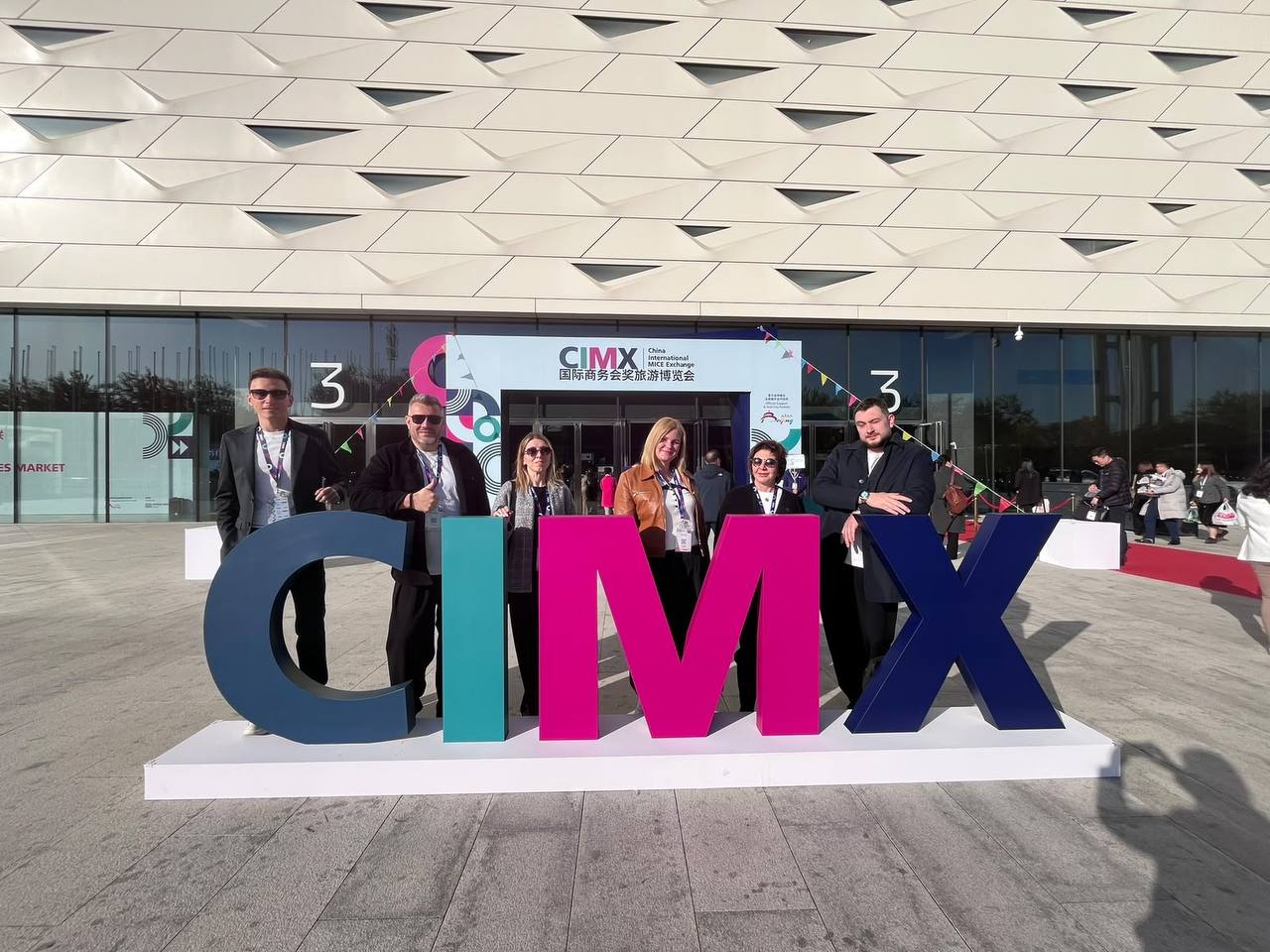
New experiences and ideas at the inaugural China International MICE Exchange, visits to venues in Beijing and Tianjin, a walk along the Great Wall and an introduction to Peking opera: the first MICE&more Business Community trip to CIMX offered buyers a closer look at China and inspiration for future events.
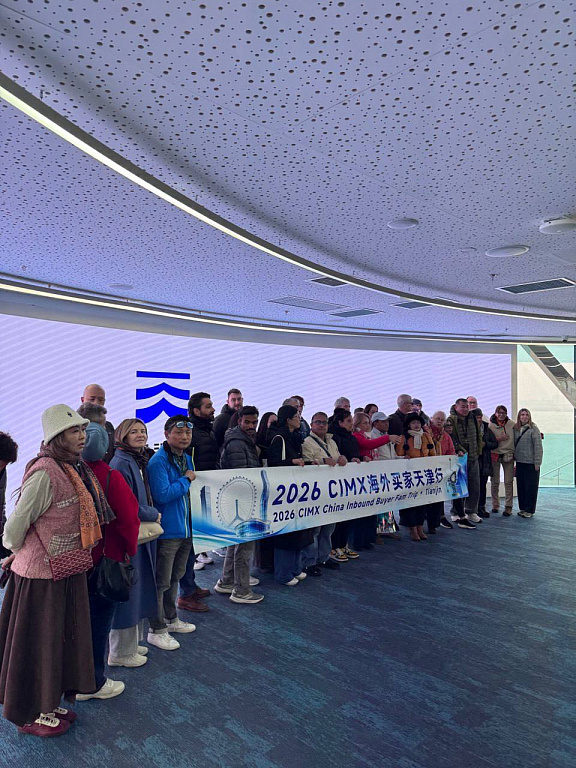
The first China International MICE Exchange (CIMX), organised by Messe Berlin, took place in Beijing from 3 to 5 November 2026. As an official media partner, MICE&more GLOBAL brought a group of hosted buyers from Russia to the exhibition and the post-show familiarisation trip to Beijing and Tianjin.
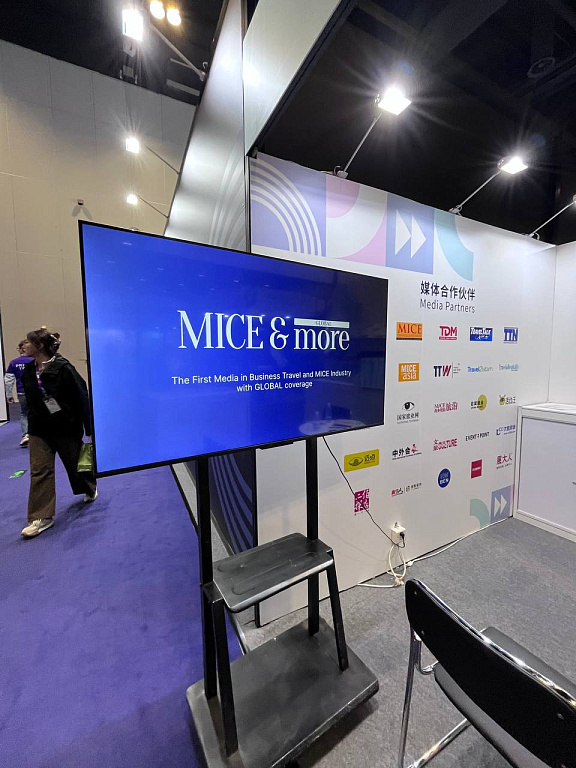
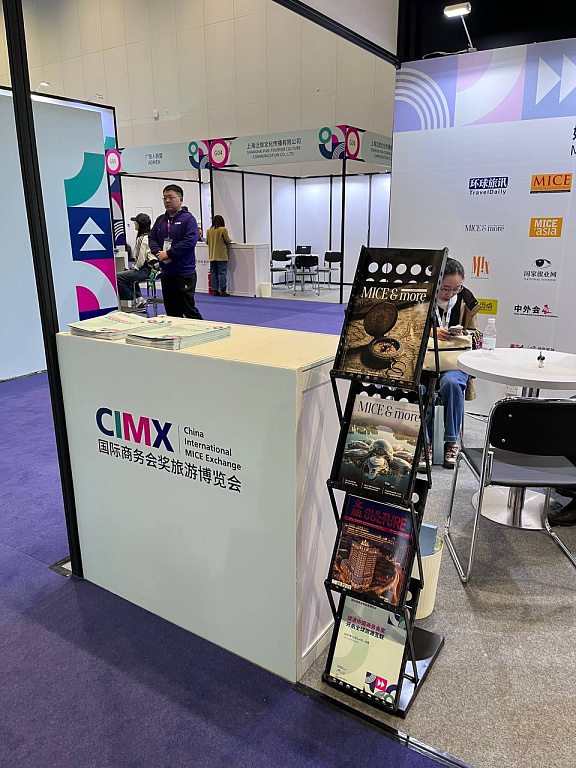
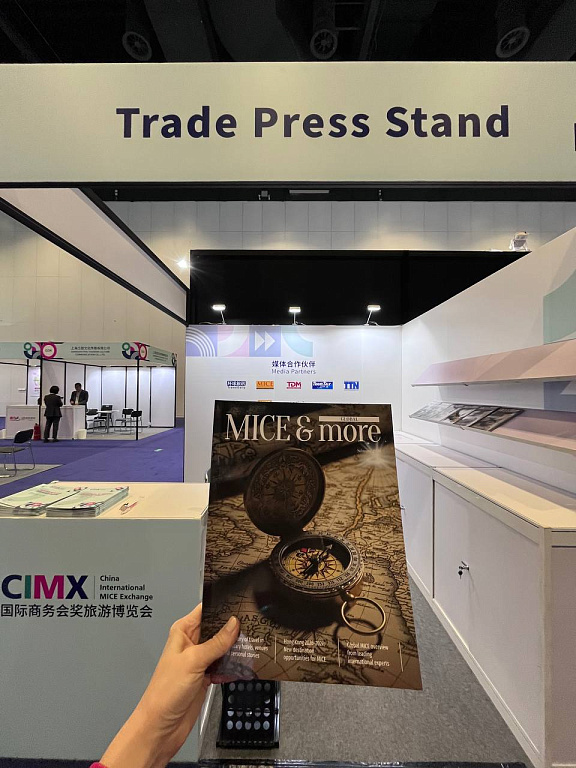
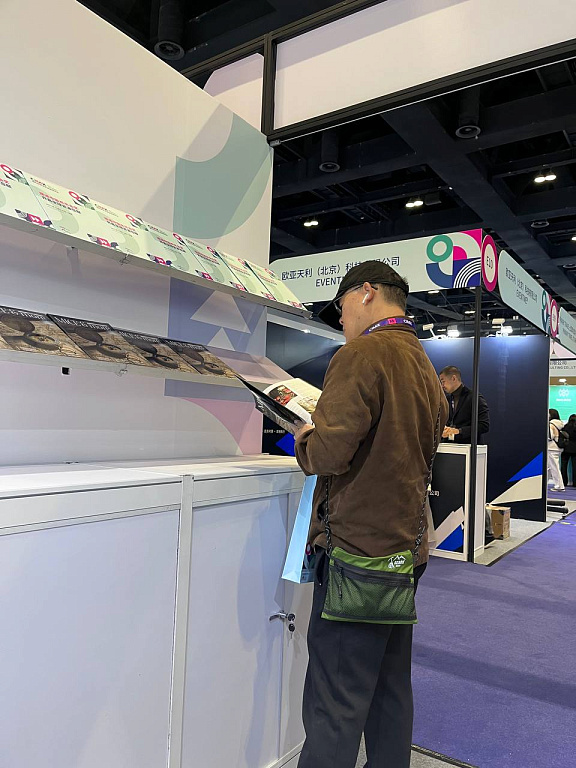
MICE&more GLOBAL also presented the latest issue of the magazine at the official exhibition stand.
A First Edition with a Personal Touch
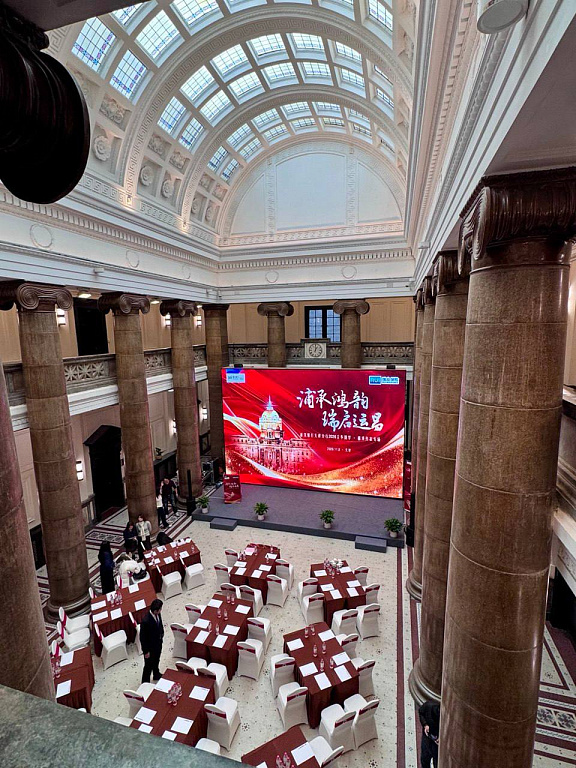
CIMX was held at the China National Convention Center Phase II, a modern venue close to Beijing’s Olympic Park. The MICE&more group stayed at a NUO hotel, whose facilities, service and location made a favourable impression on participants.
For a first edition, the exhibition was relatively intimate in scale, but, as the group noted, professionally organised, with an attentive team on hand to help guests. According to the organisers, CIMX brought together 150 exhibitors, 350 carefully selected hosted buyers and more than 3,000 attendees from over 40 countries and regions. Almost 6,000 business meetings took place over the three days.
“The team never left the buyers unattended: they always asked how our meetings were going and came to help immediately,” said one of the participants, Nikolay Velichko. Alongside meetings with venues, hotels and other potential partners, he valued the opportunity to connect with colleagues from different countries. “We quickly found common ground and have already identified opportunities to work together.”
Anton Cherkasov also appreciated the pace of the exhibition. “The format was very comfortable: a manageable number of meetings, pleasant conversations and a space to relax,” he said.
The conference added a wider perspective to the appointments on the exhibition floor. Its 120 speakers addressed topics ranging from incentive travel and destination development to international events and artificial intelligence.
On the first evening, a gathering gave guests an opportunity to continue their conversations in a more informal setting.
Chinese culture was present throughout the programme: performers in traditional dress and dragon dances accompanied official events and meetings. The group also sampled a variety of cuisines, with Chinese dishes – including Peking duck – among the highlights of the trip.
Beijing: Venues, Landscapes and New Perspectives
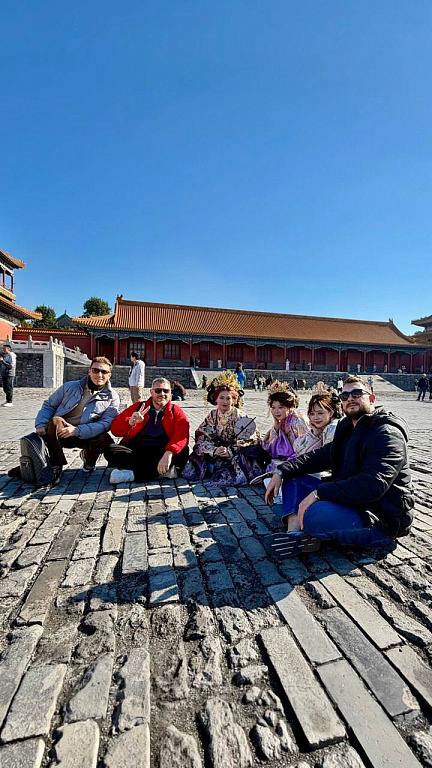
On the final day of the exhibition, international buyers and media representatives set off on a familiarisation trip designed to show how Beijing and Tianjin could work as destinations for business events. Alongside hotels and conference centres, the programme introduced cultural attractions and experiences that planners could build into a future itinerary.
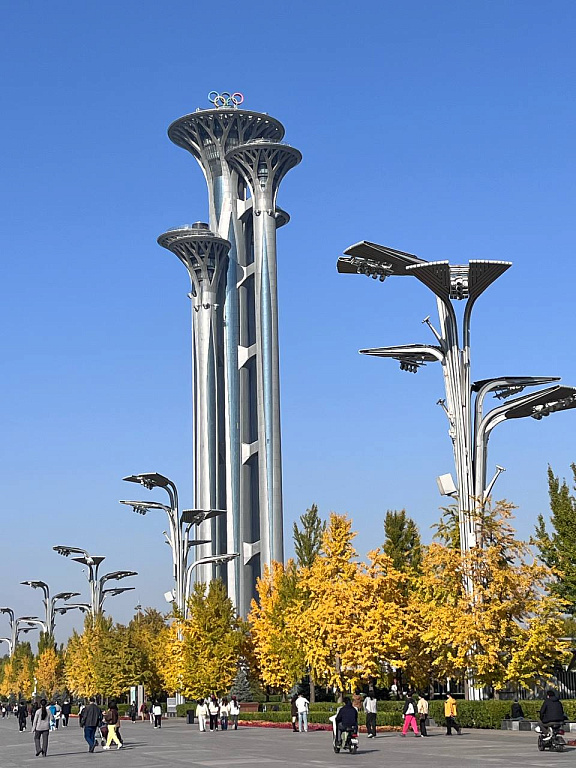
The Beijing programme included the Olympic Park, with its National Stadium – known as the Bird’s Nest – and the National Aquatics Center, or Water Cube. Both are reminders of the city’s Olympic history and examples of its modern infrastructure.
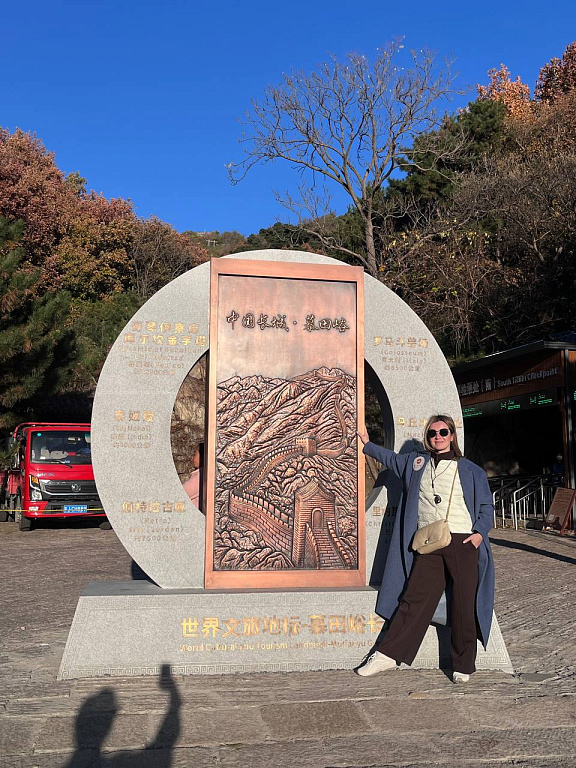
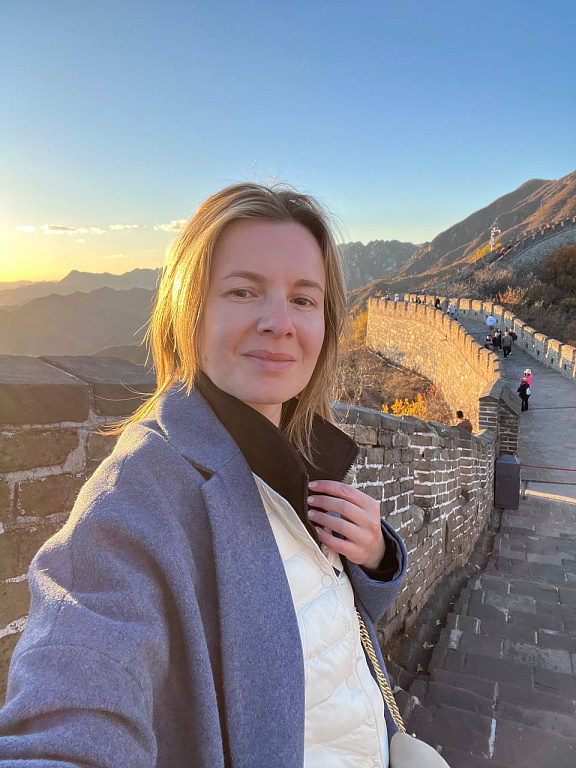
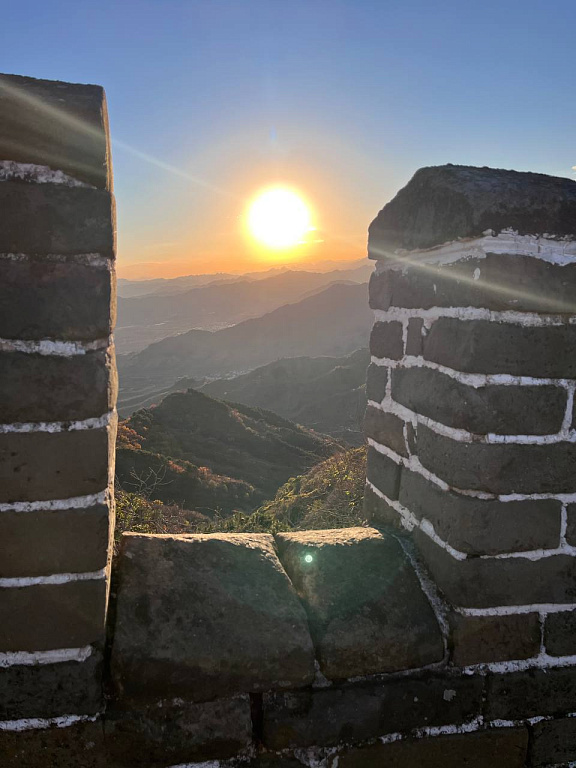
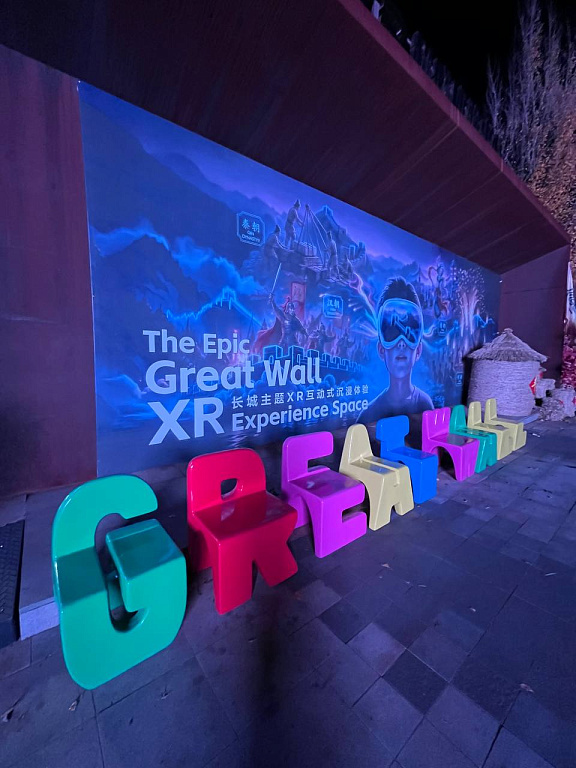
A visit to the Mutianyu section of the Great Wall became one of the group’s most memorable experiences. The clear, warm weather gave participants a chance to appreciate both the structure itself and the views across the surrounding landscape.
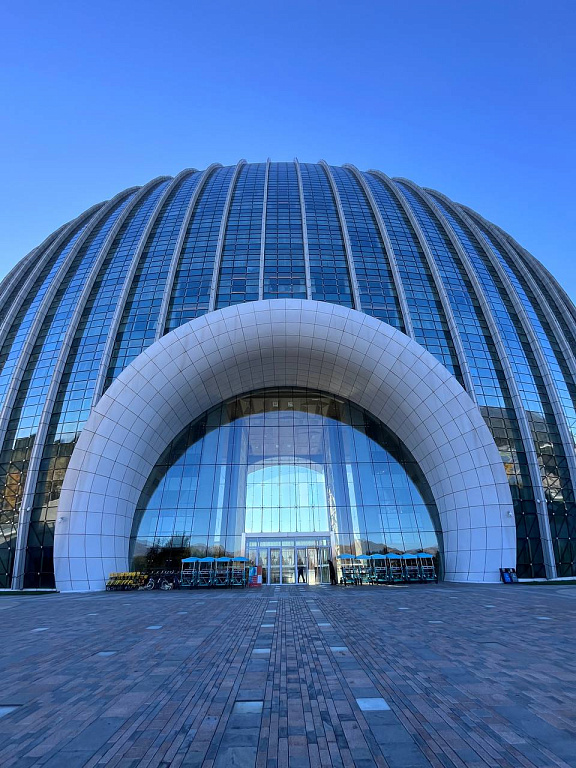
The group also explored the Yanqi Lake area, where mountain and lake views meet substantial infrastructure. Visits included hotels and conference venues around the lake, among them Sunrise Kempinski Hotel Beijing, recognised by the distinctive shape of its building. Autumn colours and views of the water added another dimension to the inspection of its event facilities.
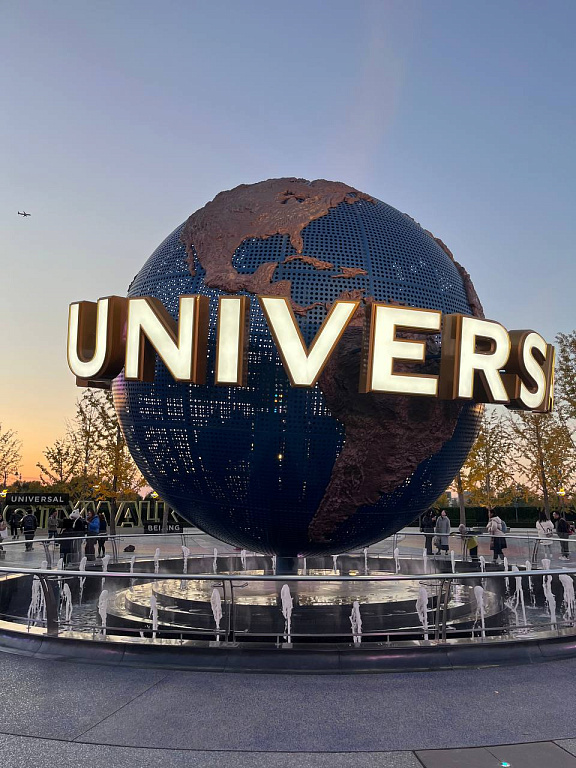
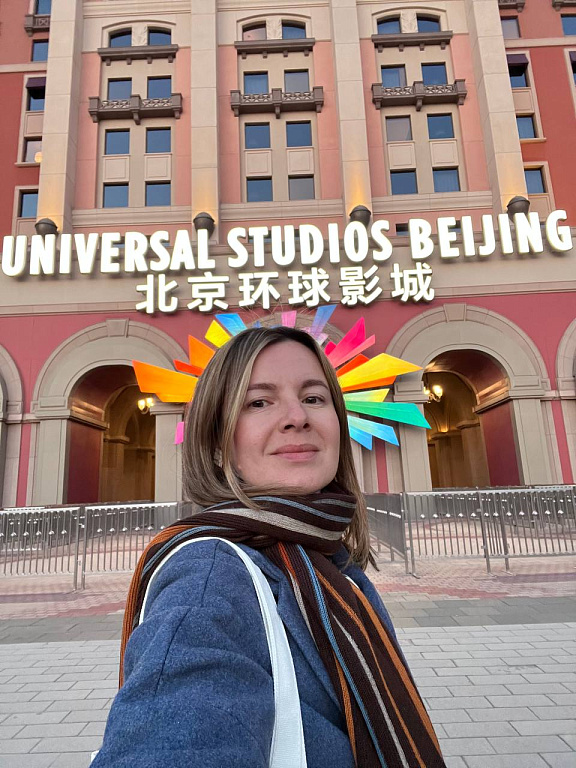
At Universal Beijing Resort, participants discovered a different setting for corporate groups. Themed areas inspired by Harry Potter, Transformers, the Minions and other film characters appeal to adults as well as children, while the resort also offers possibilities for events. The group received a presentation on the complex, including an introduction from its general manager. With hotels on site, a visit can be extended over several days, combining meetings with entertainment and leisure.

Tianjin: A Port City with Event Potential
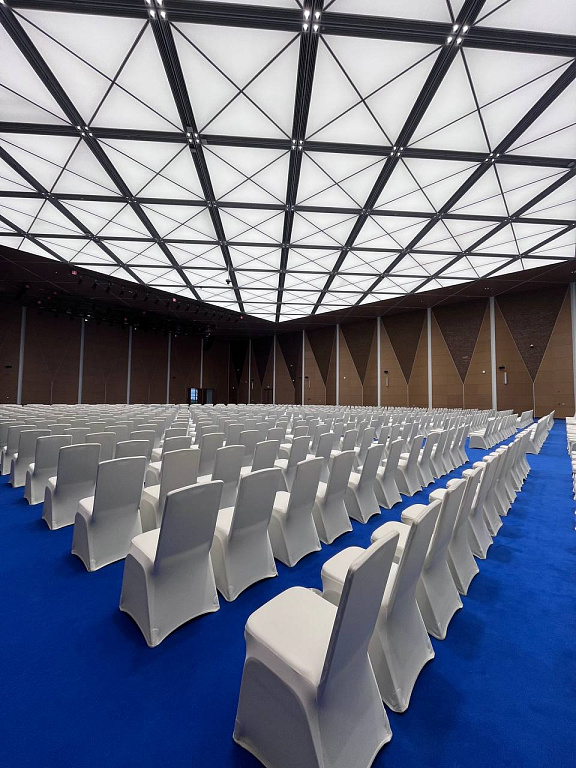
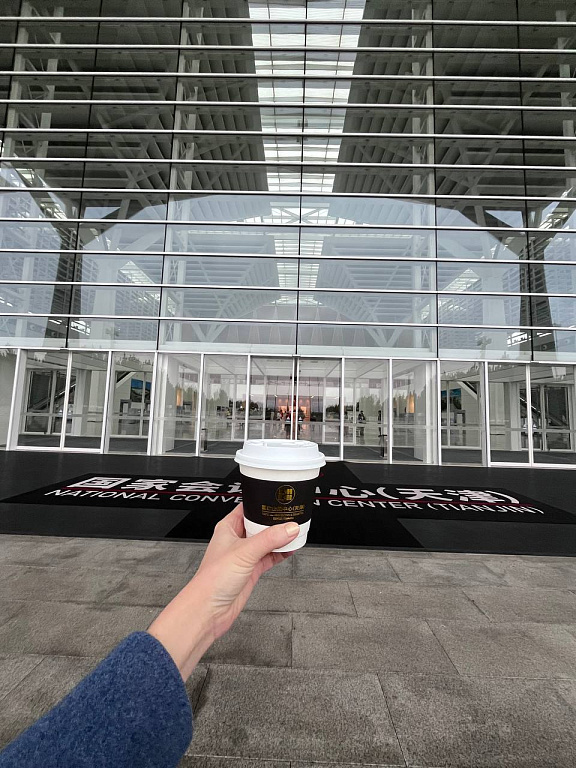
The programme continued in Tianjin, a major industrial and port city approximately 120 kilometres southeast of Beijing, near the Bohai Gulf. Here, the group explored another destination for meetings and events, visiting the National Convention and Exhibition Center, hotels and other city venues.
Participants stayed at The Astor Hotel, founded in 1863. The historic property has its own museum, while an immersive performance introduces guests to its past and to people connected with its history.
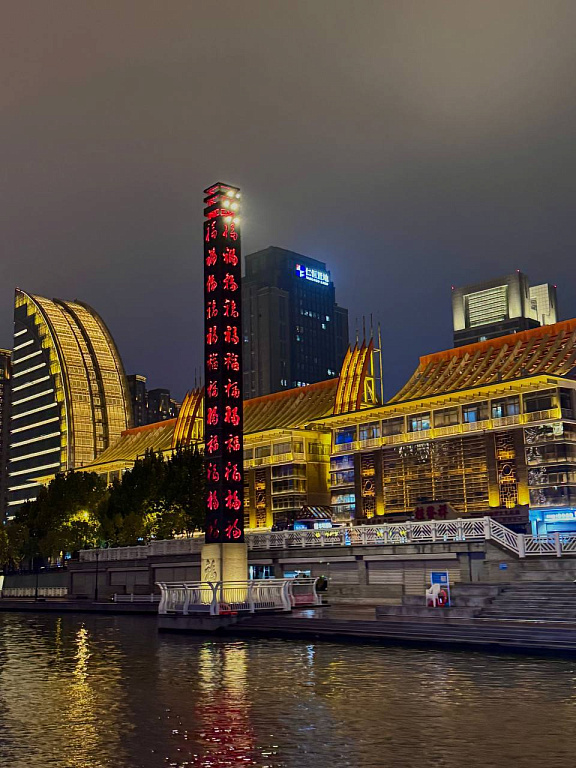
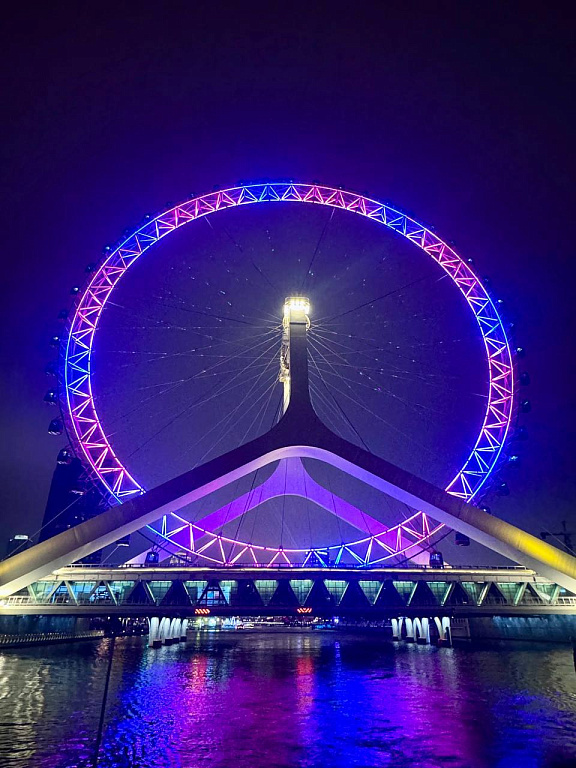
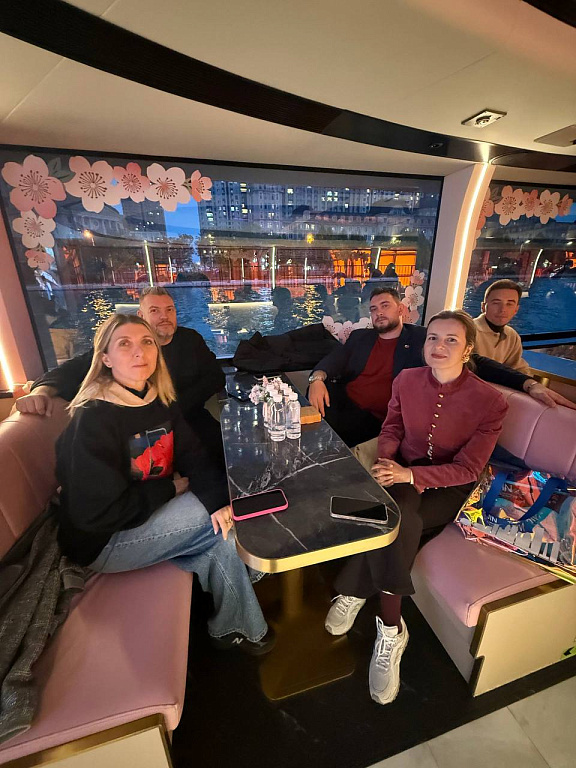
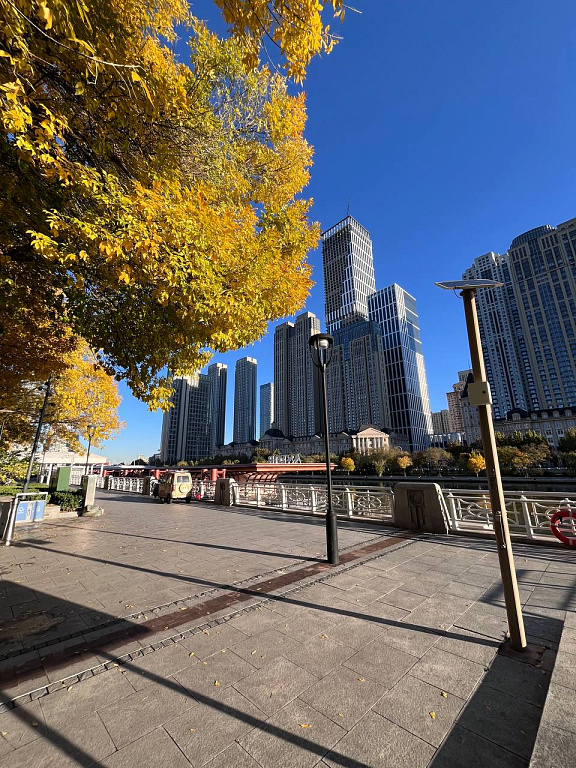
The hotel was also the starting point for a welcome evening on the Haihe River. The group boarded a boat at the hotel pier, where representatives of the host delegation joined them to present the city’s tourism resources. As evening fell, the buildings and embankments lit up, creating a colourful backdrop for the conversation.
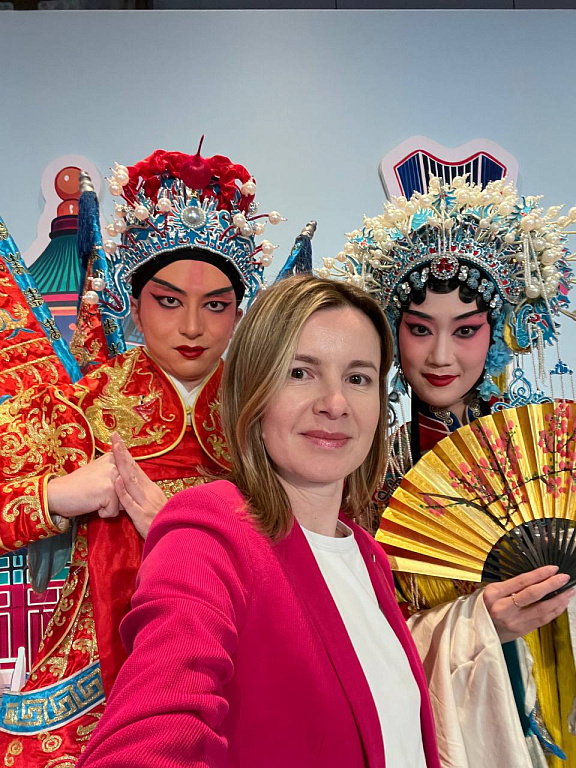
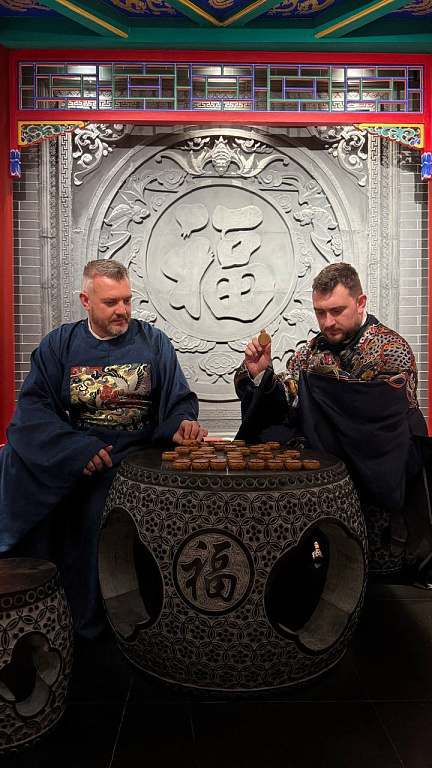
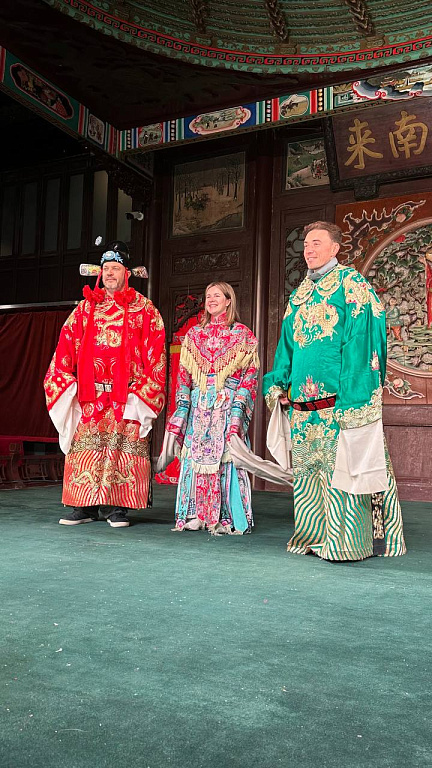
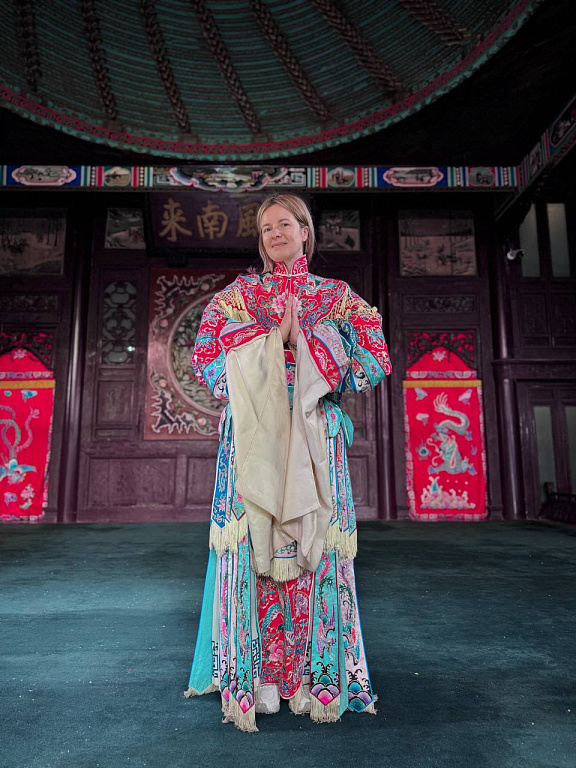
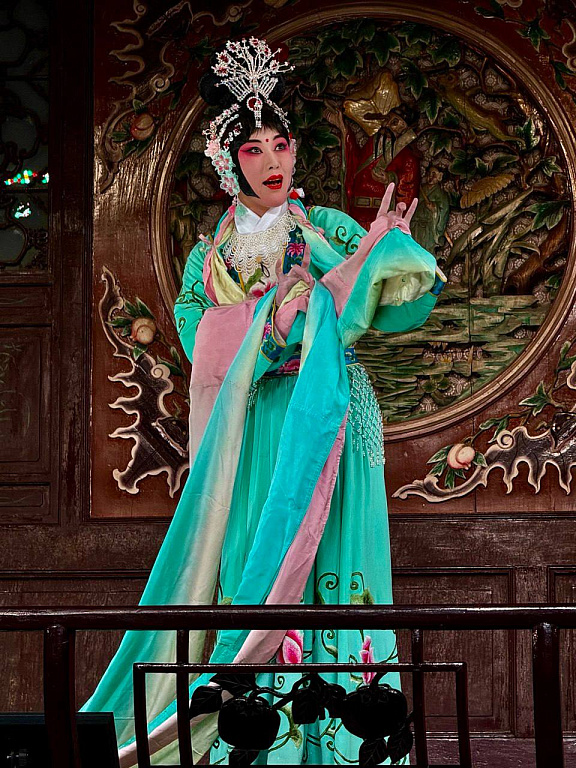
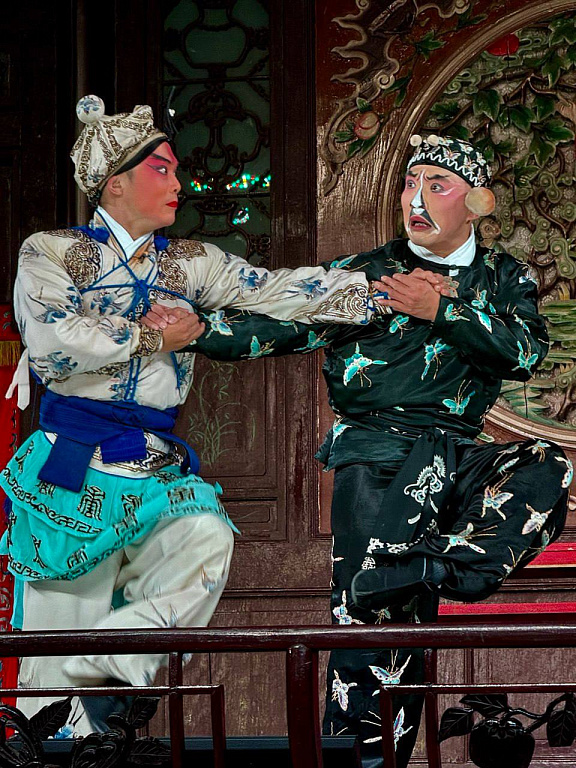
A visit to Guangdong Guild Hall introduced participants to Peking opera. The experience went beyond watching a performance: guests could try on costumes, meet the artists and learn about stage make-up and movements.
As the day drew to a close, the group saw Tianjin from a different perspective: from SKY TERRACE TIANJIN, the city unfolded below them, its illuminated streets and buildings stretching towards the horizon.
From Exploring to Ideas
For the Russian buyers, the trip demonstrated how China’s business events infrastructure could be combined with cultural experiences and leisure.
“China is a very interesting and unconventional destination for Russian MICE,” said another participant, Yulia Zhoglo. “There are many opportunities for business events: good hotels and venues, well-developed logistics and plenty of options for bleisure.”
She also emphasised the value of preparation. Language, local customs and cultural differences need to be considered in advance, she said, adding that events in China can be successful when planned carefully.
Elizaveta Grigorieva of LANIT also praised the exhibition for its valuable contacts and the opportunity to explore China's venues and cultural diversity. While impressed by the country's logistics, hotels and restaurants, she pointed out that differences in mentality and communication make choosing the right local partner particularly important.
Fellow delegate Alexey Ivanov saw immediate potential for Russian groups, while stressing the importance of choosing the right local partner. “China is ready to welcome our MICE groups right now,” he said. He also pointed to a practical challenge: “The journey – flights, acclimatisation and disrupted routines.”
He particularly appreciated the pre-arranged meetings, the scale of the exhibition venue and the genuine interest shown by Chinese partners in the Russian market.
Nikolay Velichko was struck by the coexistence of Beijing’s history and its contemporary life: traditional hutongs sit alongside modern buildings, technology and art spaces. For planners, that variety offers a way to design programmes that move between business meetings and experiences rooted in the destination.
As he told MICE&more, the Great Wall also suggested an idea for an incentive programme. Reflecting on a separate visit to the Simatai section, he imagined a small private reception with sparkling wine, live music, a tea ceremony and a dragon dance. “It is more than an experience – it is a ready-made concept for a new project,” he said.
A visit to a water town left an impression on Cherkasov, too. “We would love to return with a group and immerse them in the atmosphere of ancient China,” he said.
Building Relationships for the Long Term
For Lina Moskvina, founder and editor-in-chief of MICE&more, the willingness of Chinese partners to share their experience and listen to the needs of Russian corporate clients was an important outcome of the visit.
“During the trip, we felt how open our Chinese colleagues were – ready to share their expertise, show us their infrastructure, build contacts and listen to our requirements, taking into account the needs of our MICE groups and corporate clients,” she said. “The infrastructure made a strong impression. This was already my fourth trip to China, and it is clear how the destination continues to develop.”
Transport connections and solutions that make travel more convenient support interest in the destination, Moskvina noted. At the same time, successful cooperation depends on getting to know partners and building relationships over time.
MICE&more plans to continue developing these connections in 2027, including through joint projects with ITB China in Shanghai and CIMX in Beijing. The second edition of CIMX is scheduled for 2–4 November 2027.
Another publications
Azerbaijan's MICE soundtrack
The rhythm of Baku, the voices of the mountains and the open horizon of the Caspian Sea: a familiarisation trip organised by MICE&more and the Azerbaijan Tourism Board explored how Azerbaijan’s contrasting landscapes can come together in one corporate programme.
Hong Kong: A City That Works as an Event
Five days in Hong Kong feel like a separate reality. Here, neon signs reflect in the water of the "pearl" Victoria Harbour, retro trams pass by glass skyscrapers, and a business meeting can be followed by a tea ceremony at a monastery or a traditional jong boat with red sails.
ITB China 2026 Concludes Successfully with more than 23,500 Attendees
The three-day event recorded continued year-on-year growth, welcoming more than 23,500 attendees. A total of over 44,000 high-value business meetings were facilitated during the show, highlighting China’s continued appeal and strong growth momentum in global travel industry cooperation.
What if…? When the Unexpected Becomes Part of the Job
In the world of events and destination management, every project begins with a carefully designed plan. But anyone who has spent enough time in this industry knows that success is not defined only by what goes according to plan — it is often defined by what happens when things do not.