

Azerbaijan's MICE soundtrack
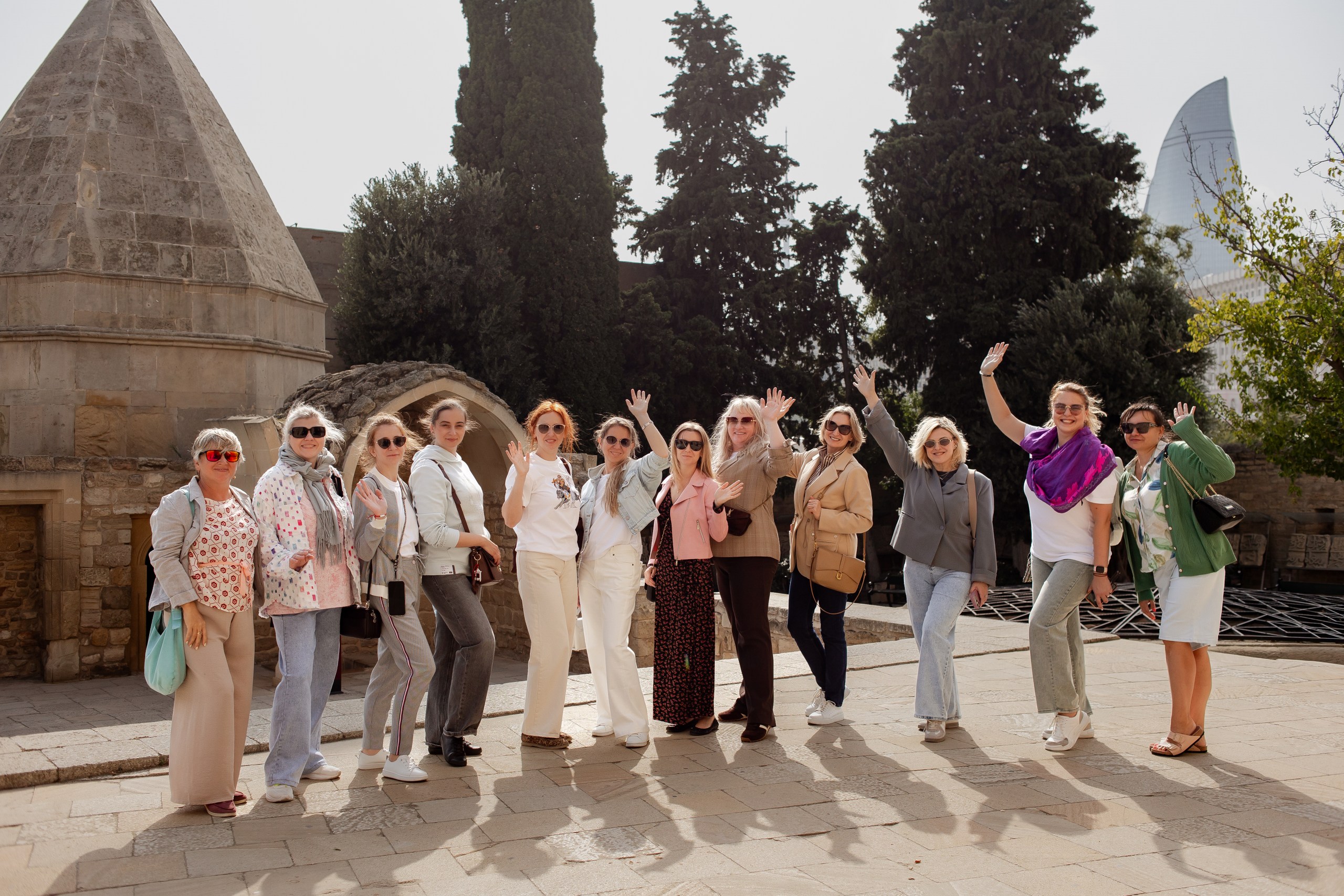
The rhythm of Baku, the voices of the mountains and the open horizon of the Caspian Sea: a familiarisation trip organised by MICE&more and the Azerbaijan Tourism Board explored how Azerbaijan’s contrasting landscapes can come together in one corporate programme.
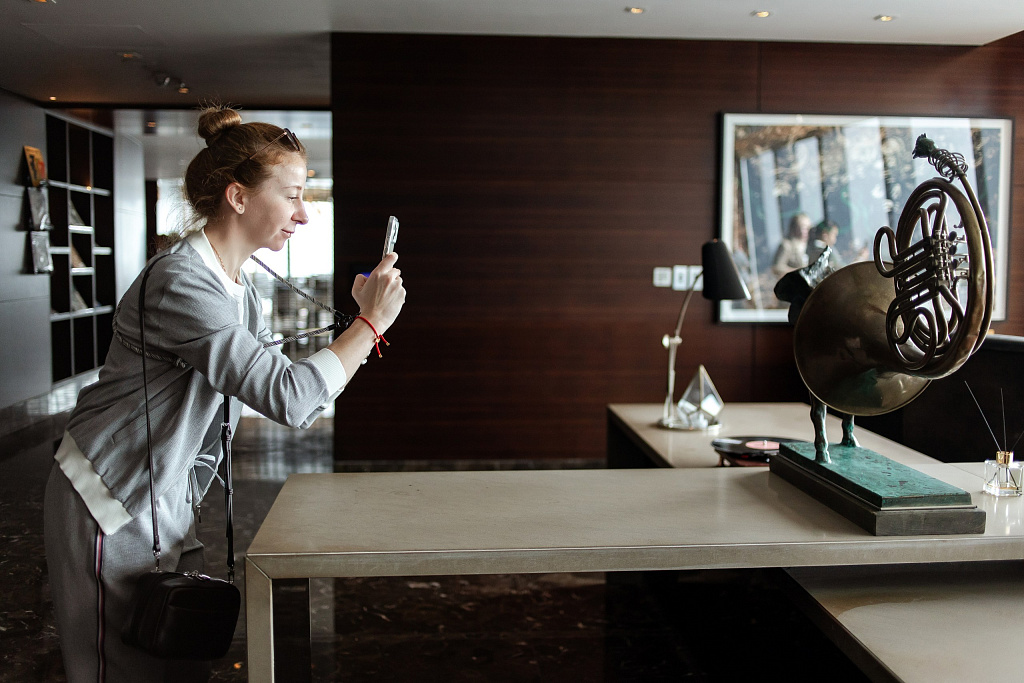
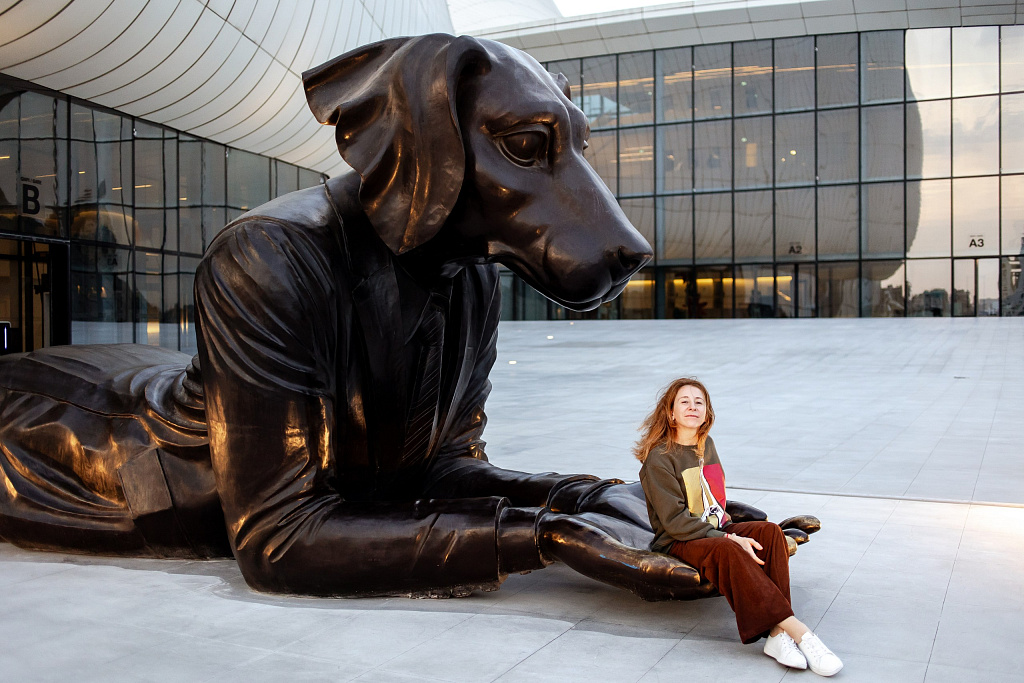
A visit to Baku can begin, unexpectedly, with music. Inside the Heydar Aliyev Center, the exhibition Musical Instruments: Unity and Diversity brings together instruments from Azerbaijan and around the world. Visitors can look at them and listen to their sounds — an invitation to discover a country through its many voices.
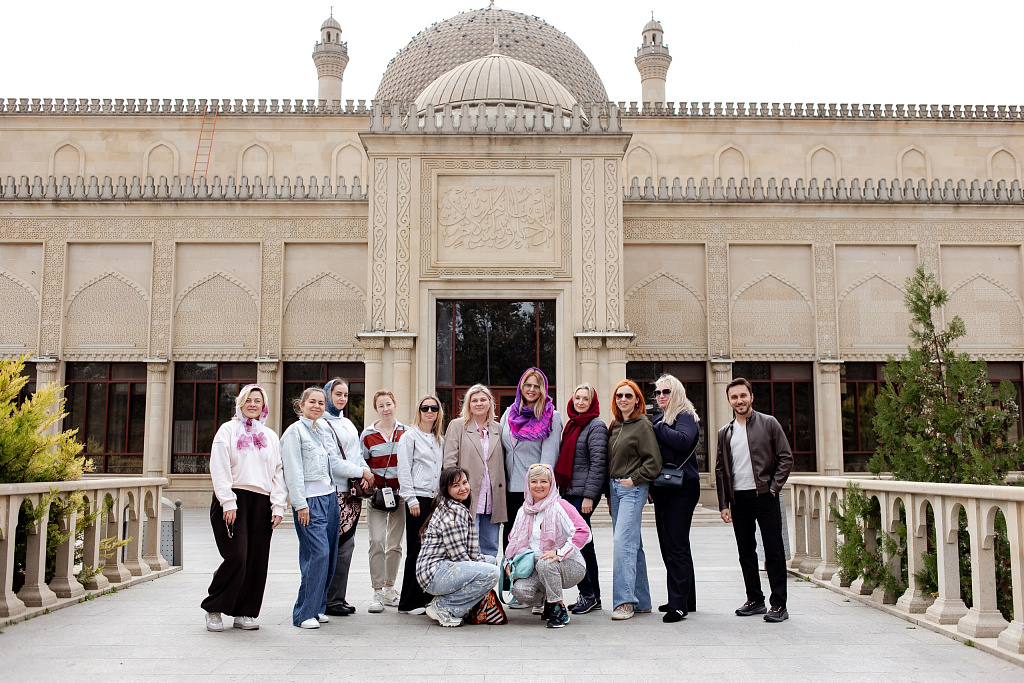
Three of those voices — the tar, the balaban and the kamancha — offer an imaginative soundtrack to a journey from the capital to the mountains and the Caspian coast. That was the route explored by MICE professionals during a familiarisation trip organised by MICE&more and the Azerbaijan Tourism Board in October 2026.
THE TAR: THE STRINGS OF THE CITY
Clear and expressive, the plucked strings of the tar seem a fitting accompaniment to Baku, where historic streets and contemporary architecture exist side by side. Traditionally played across Azerbaijan, the tar is also one of the instruments associated with mugham, the country’s celebrated musical tradition.
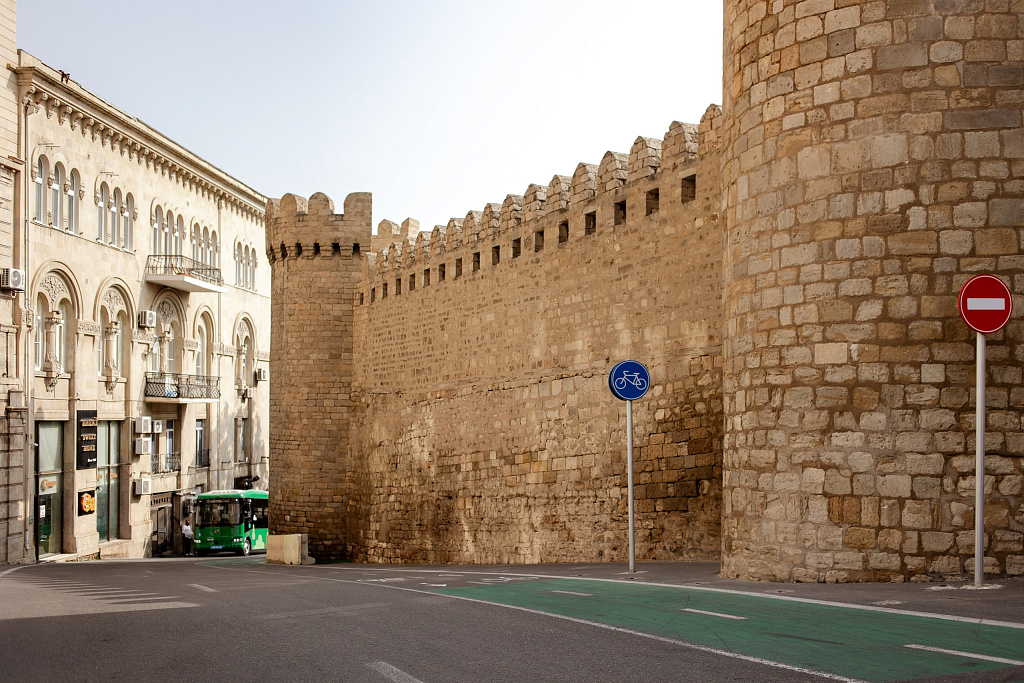
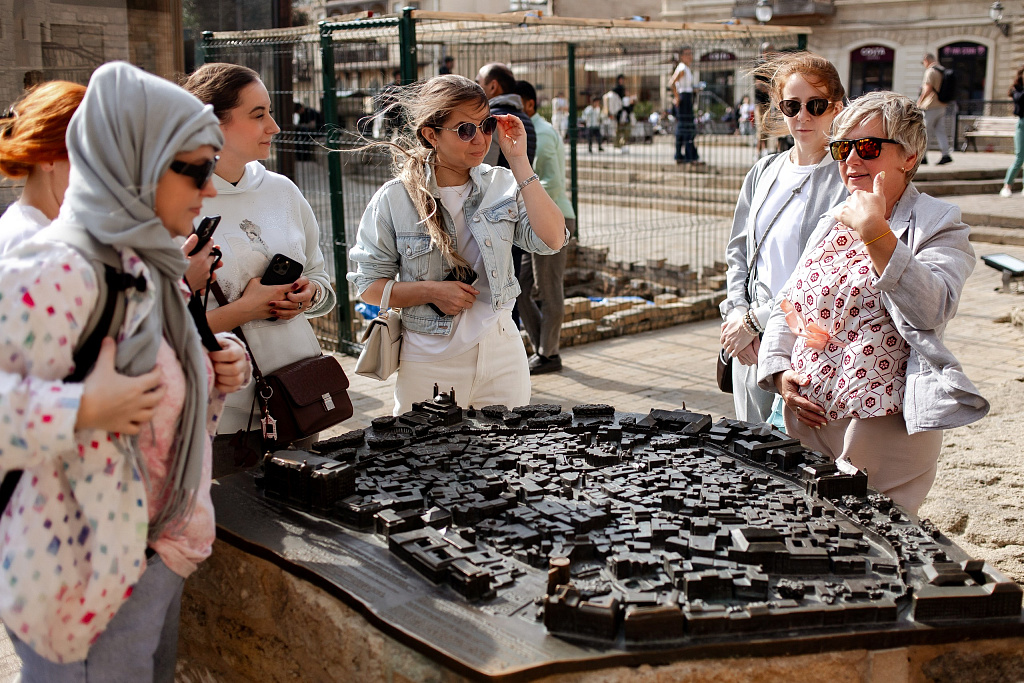
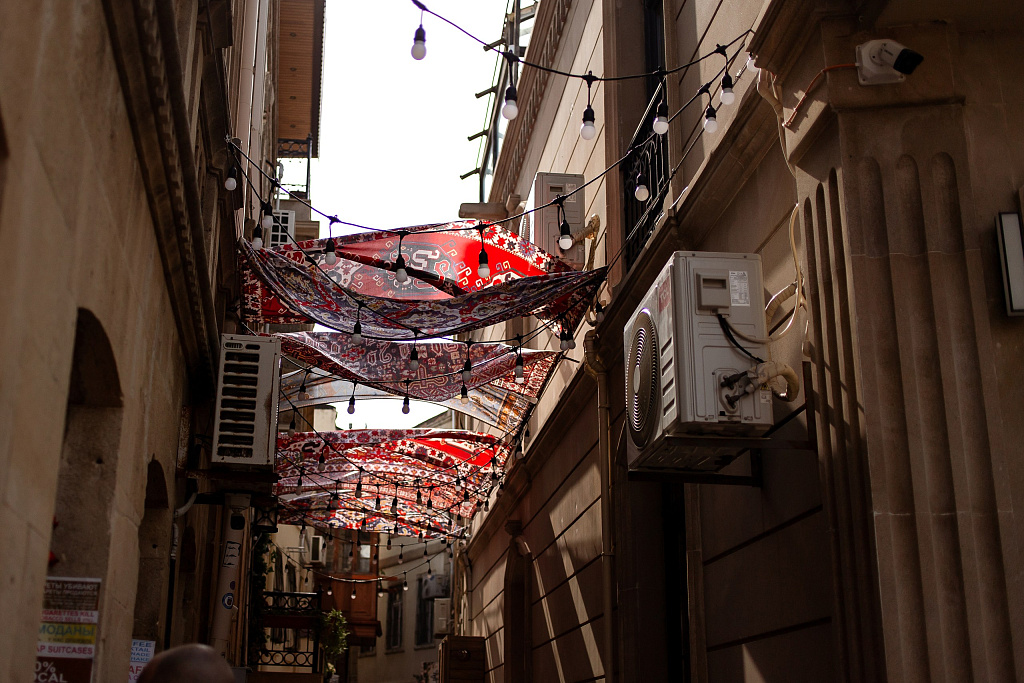
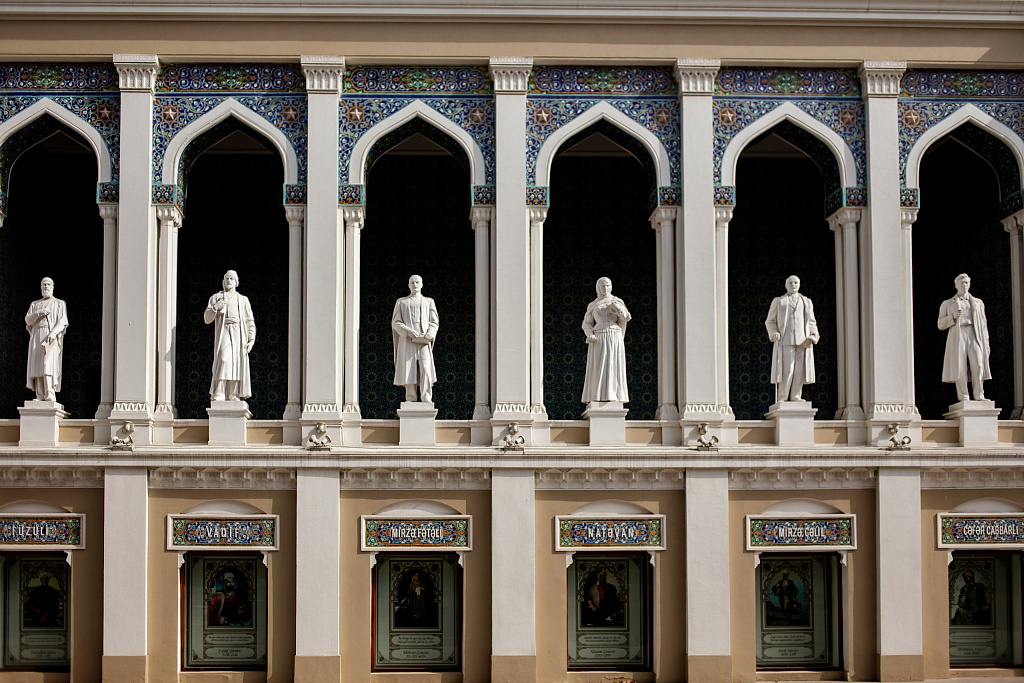
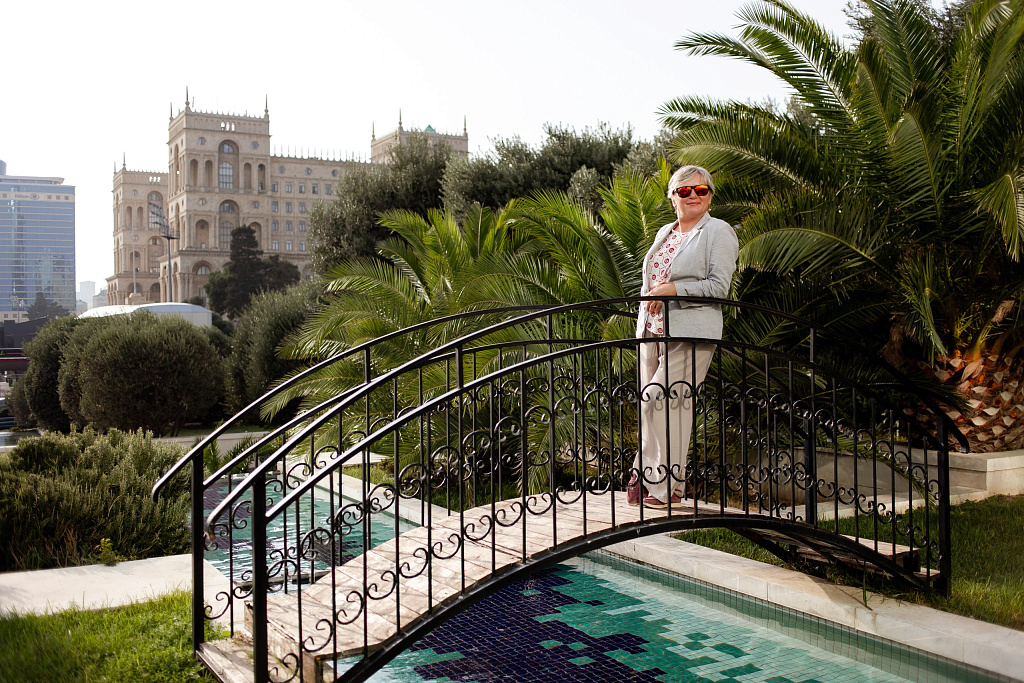
The group’s introduction to the capital combined venue inspections with a walk through Icherisheher, the Old City. The Maiden Tower, the Juma Mosque, a caravanserai and the Palace of the Shirvanshahs brought the city’s past into focus; the Heydar Aliyev Center and its classic car exhibition offered another perspective on Baku. Highland Park provided a view across the city and the Caspian Sea.
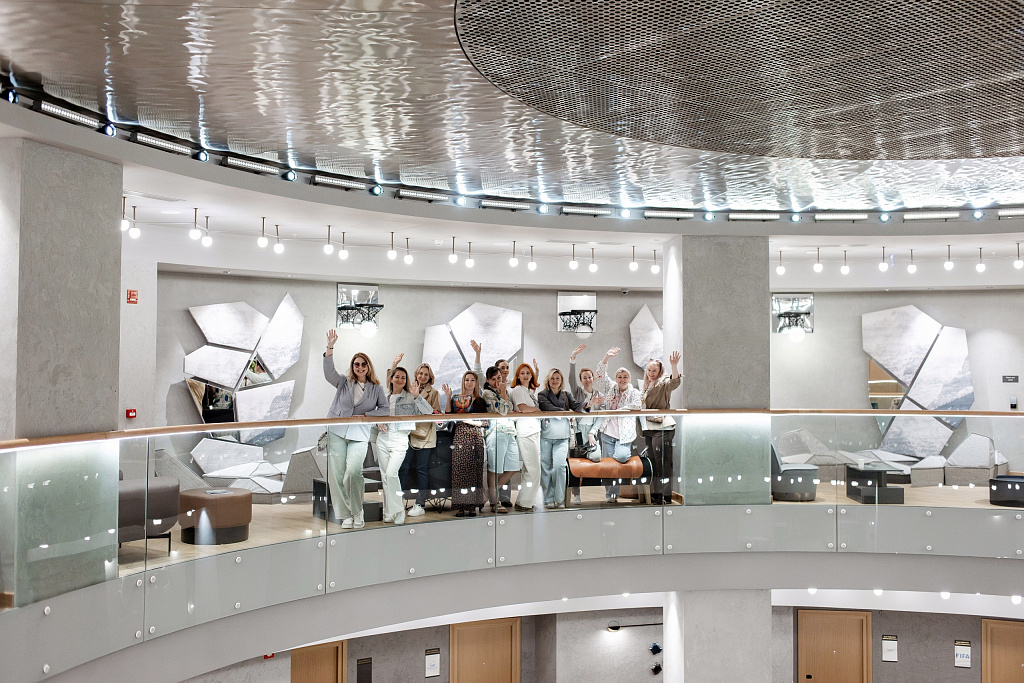
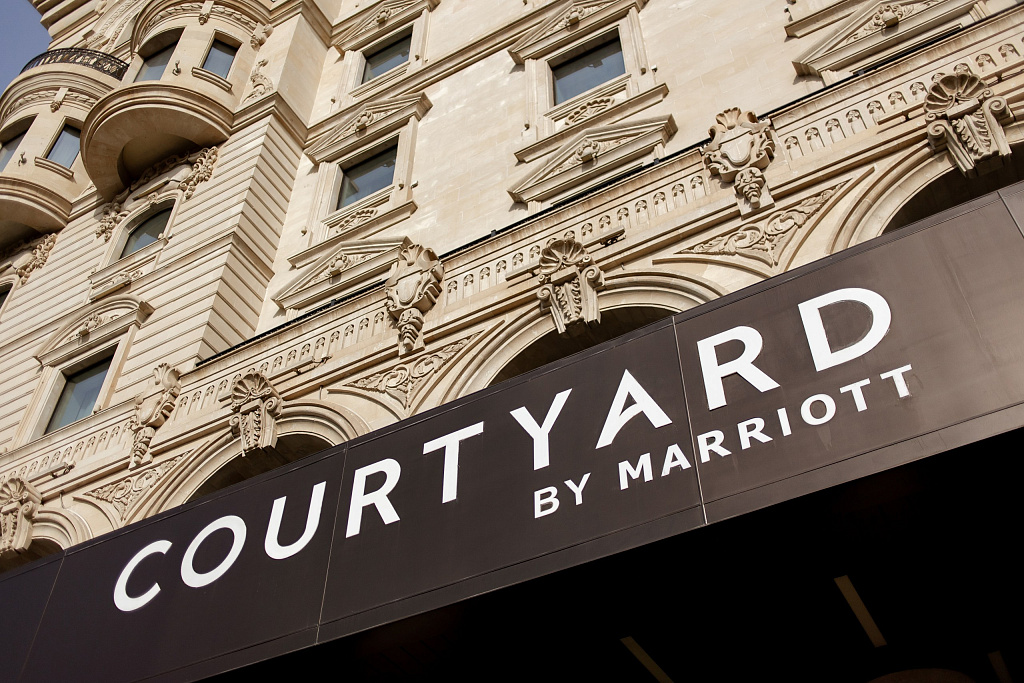
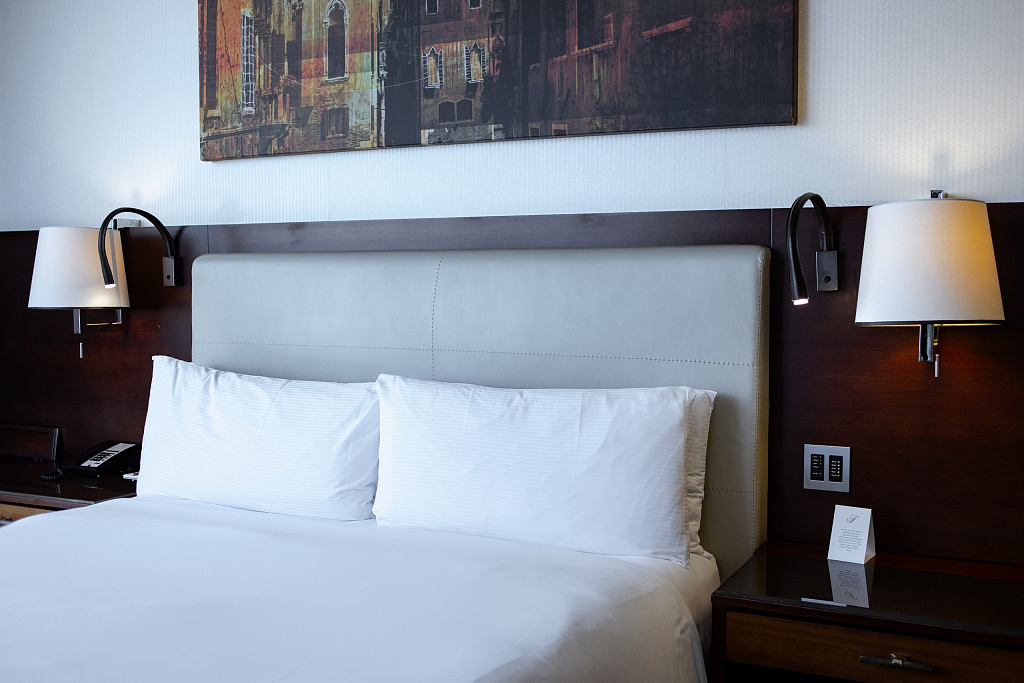
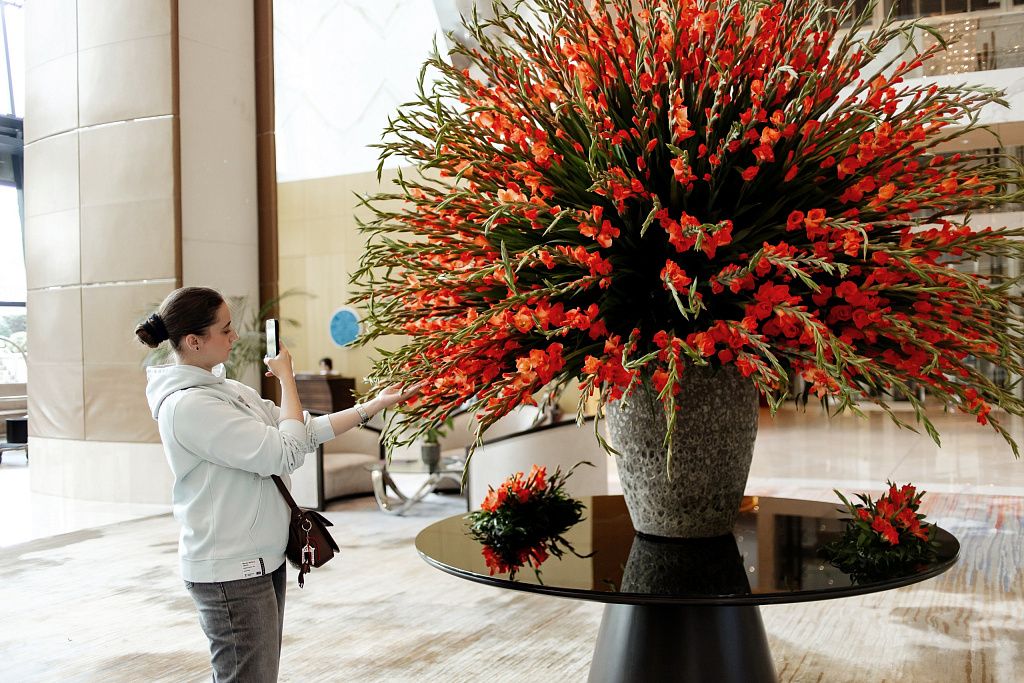
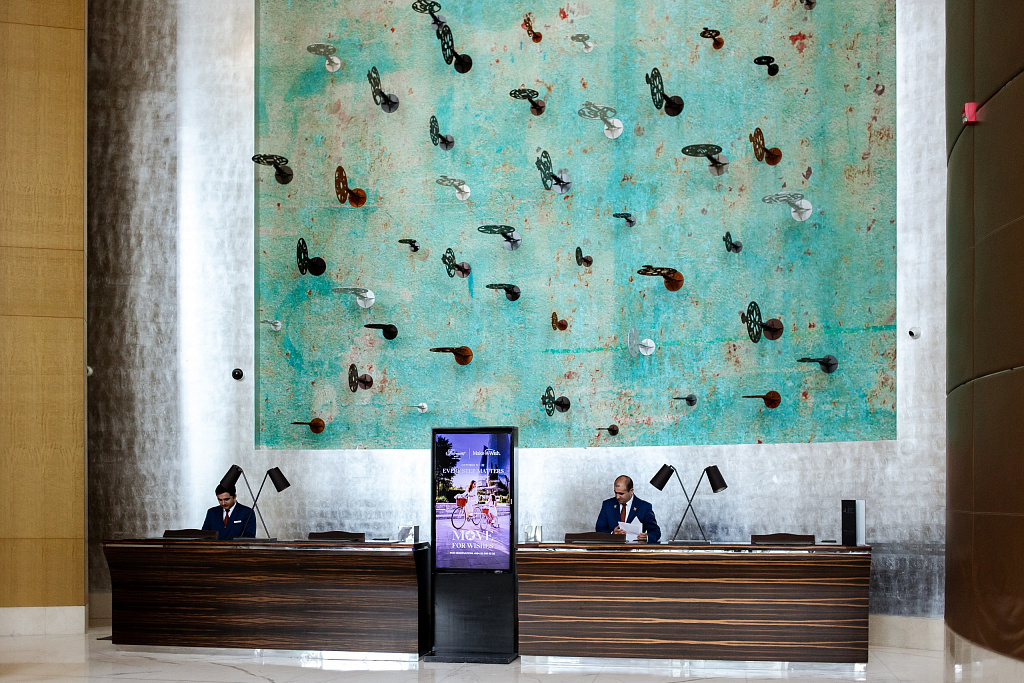
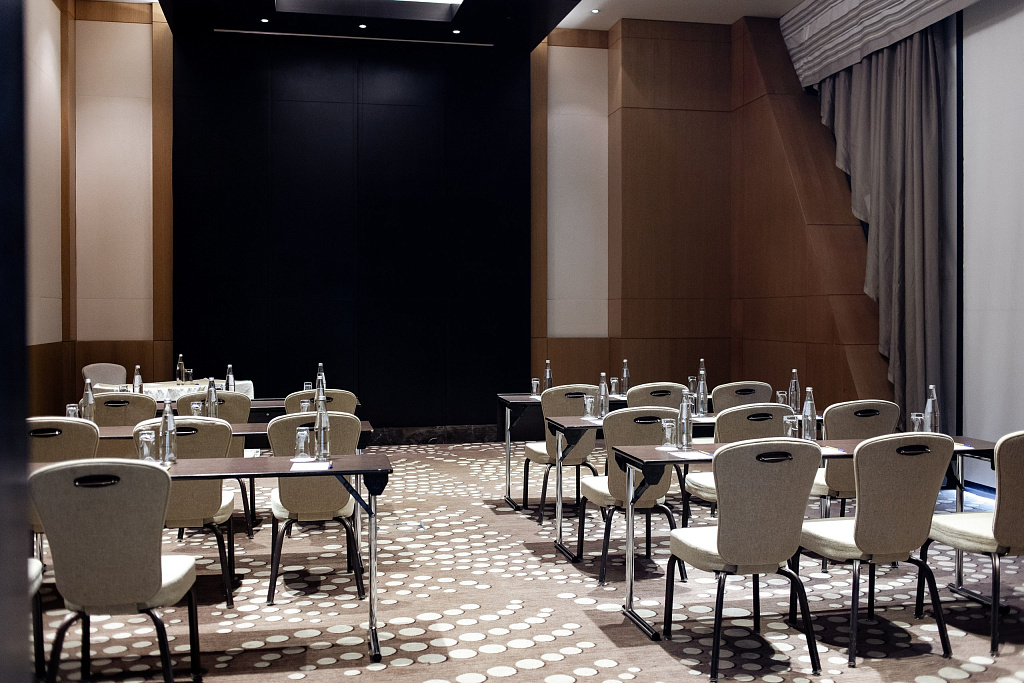
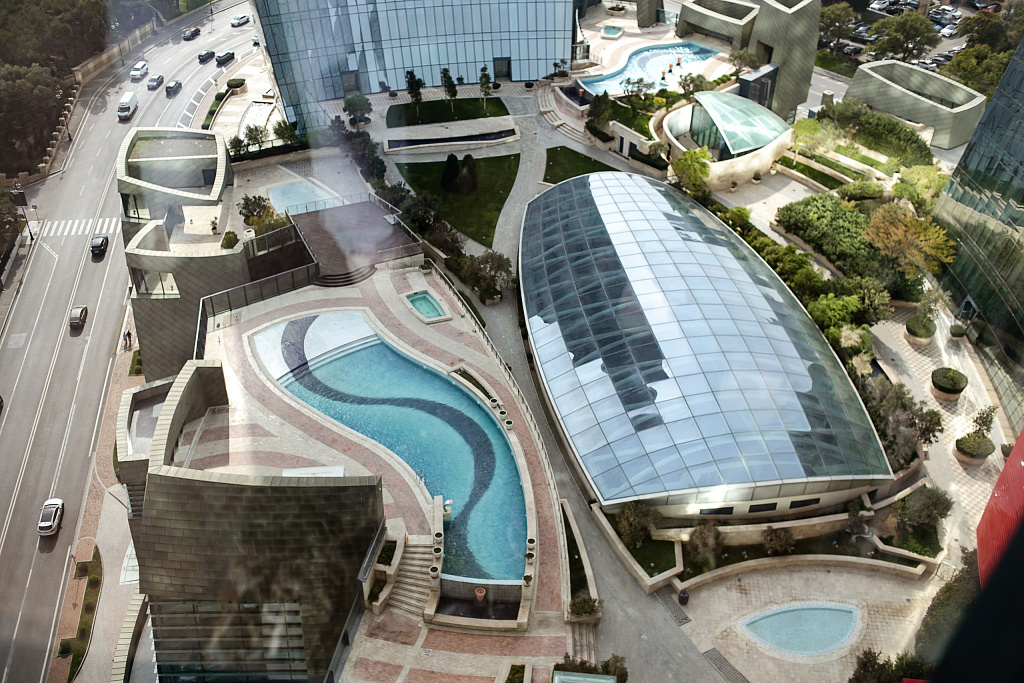
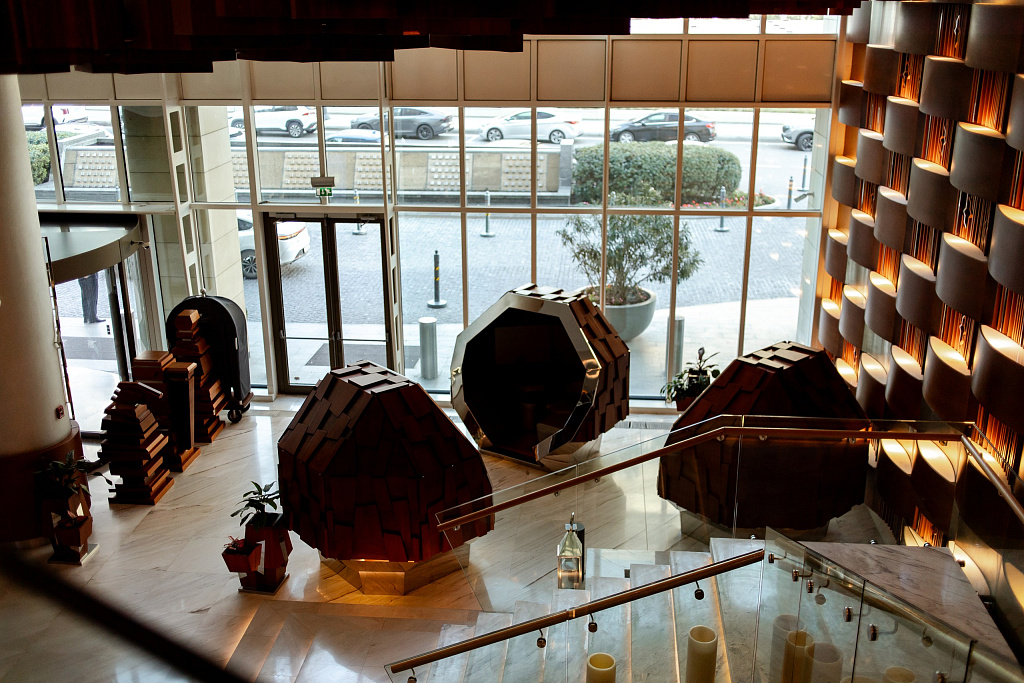
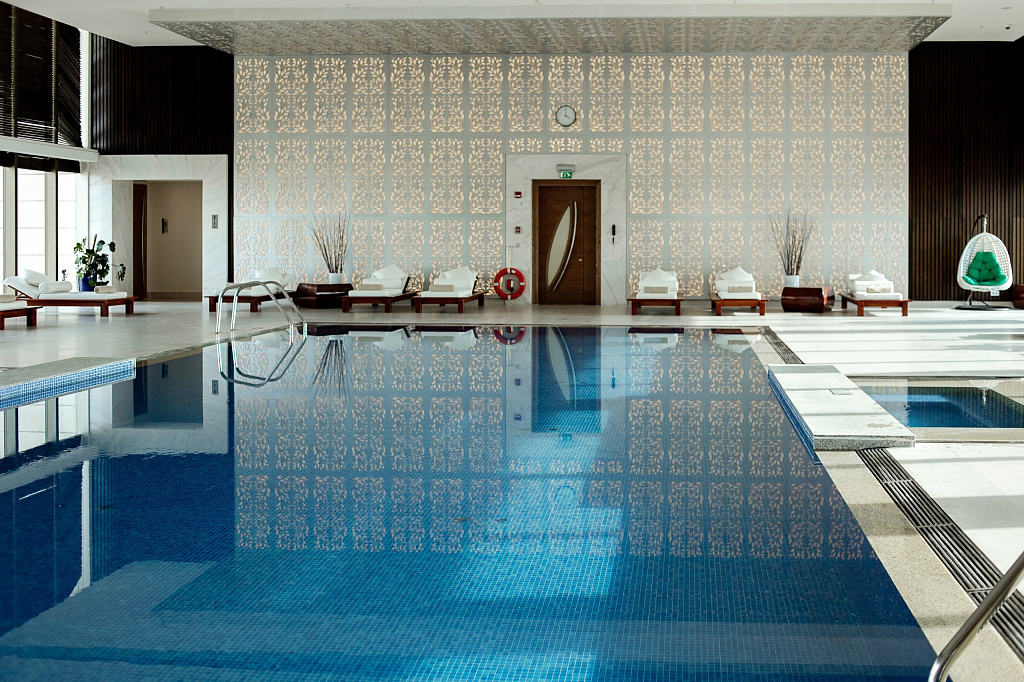
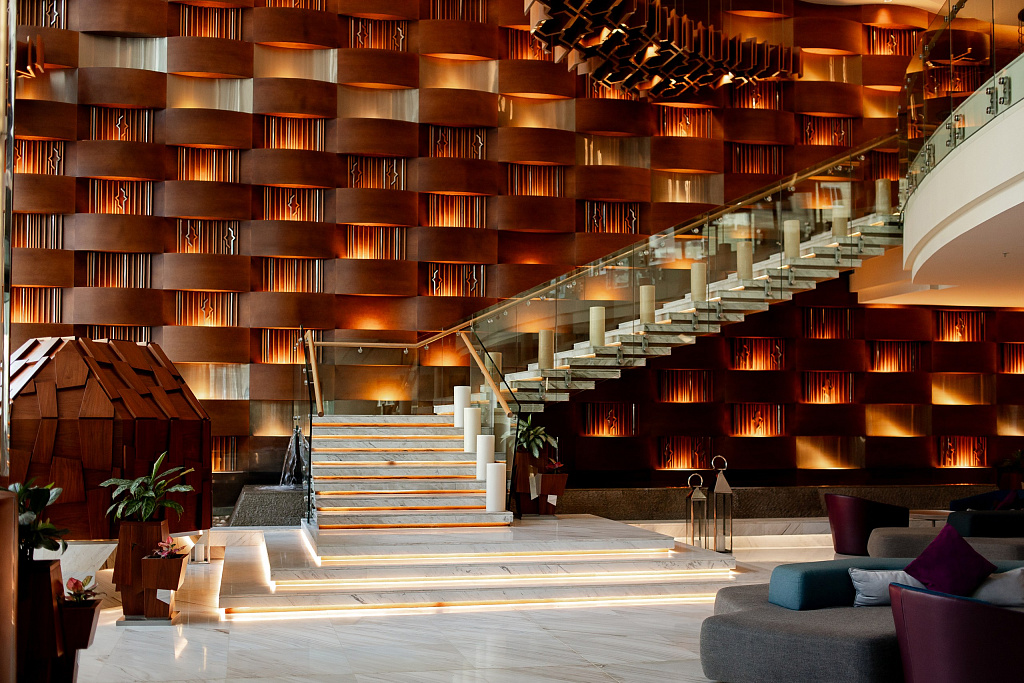
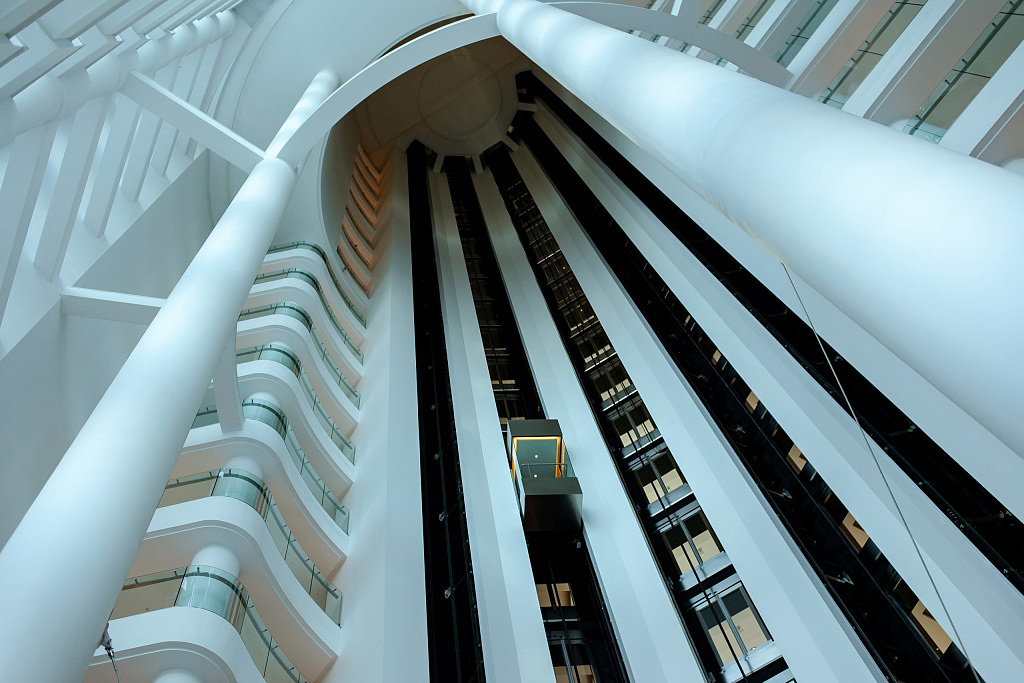
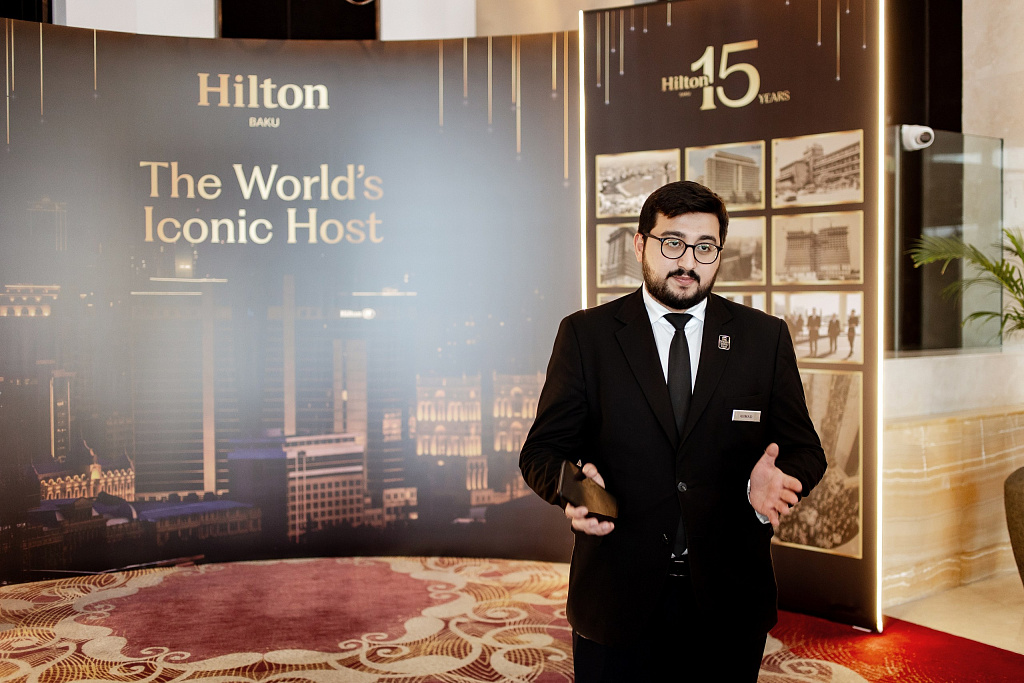
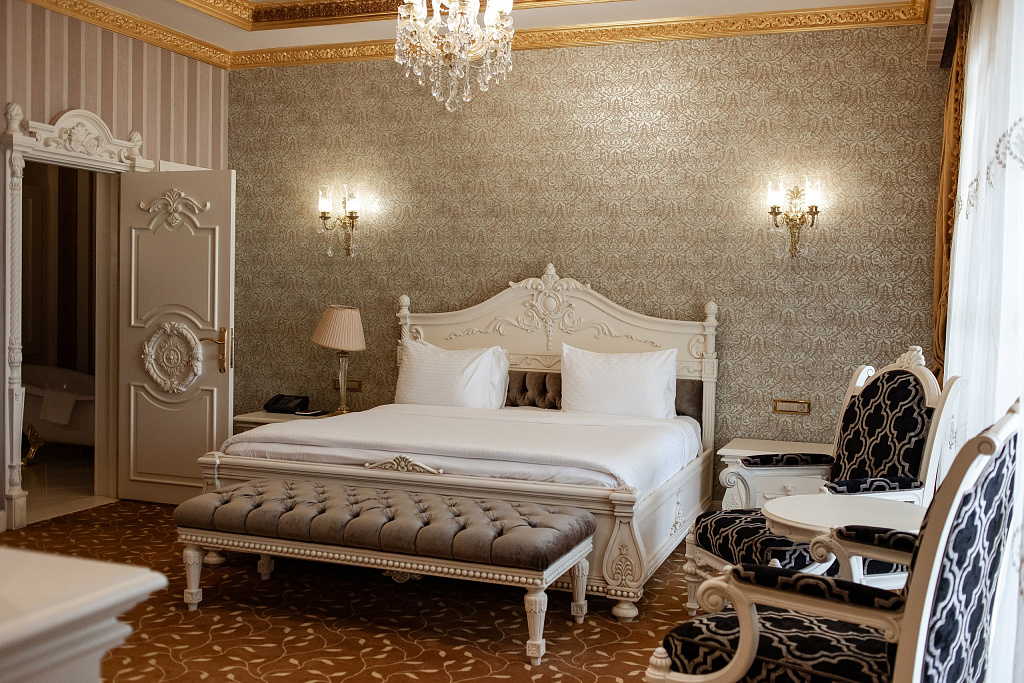
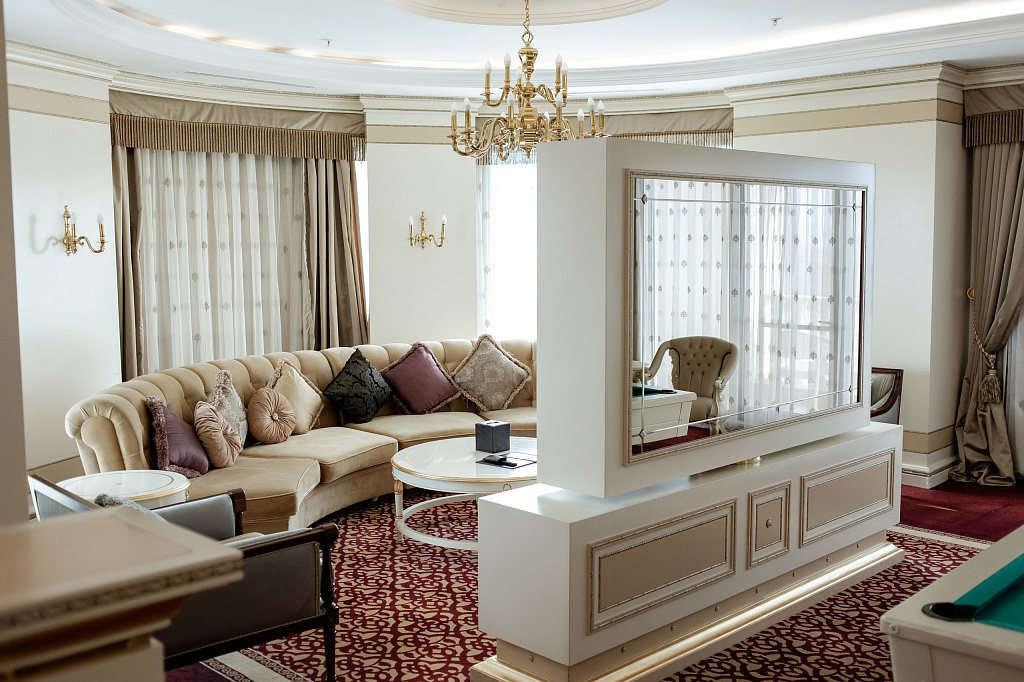
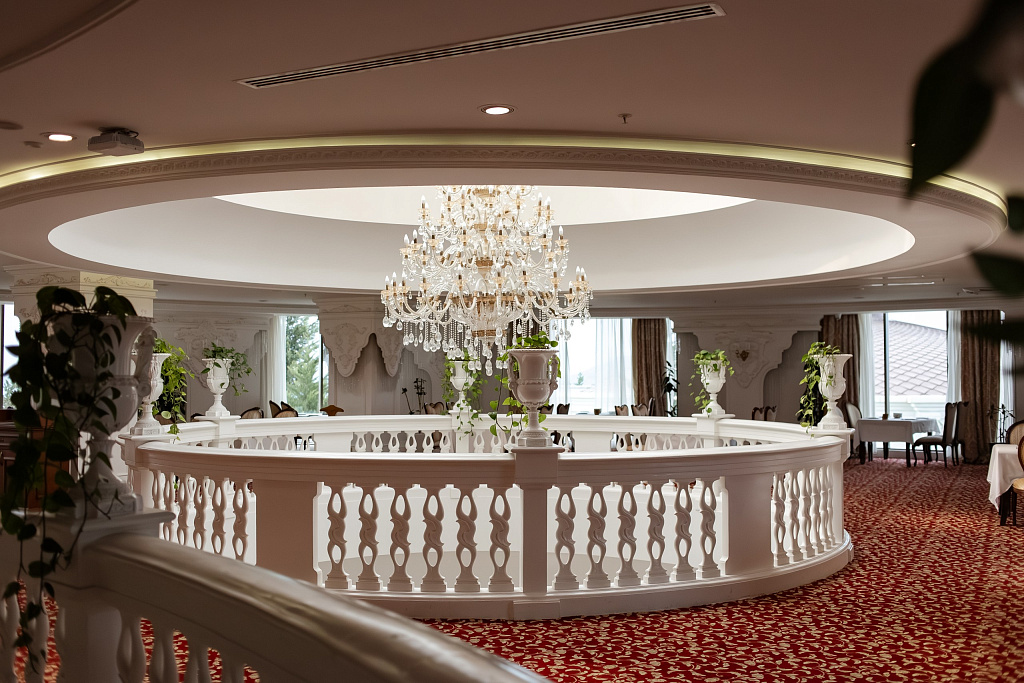
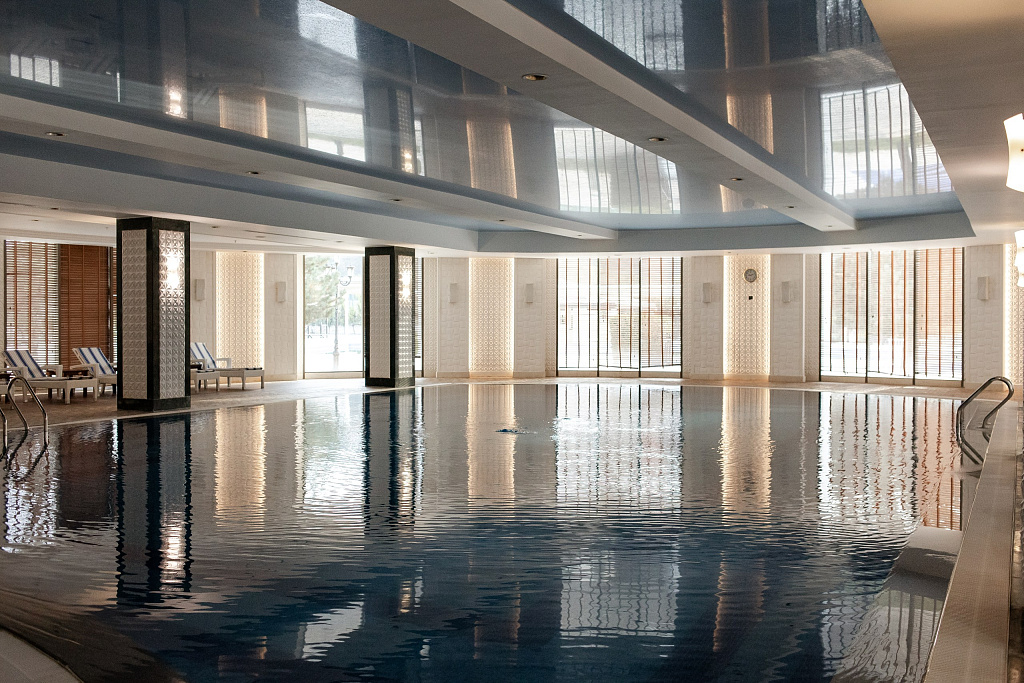
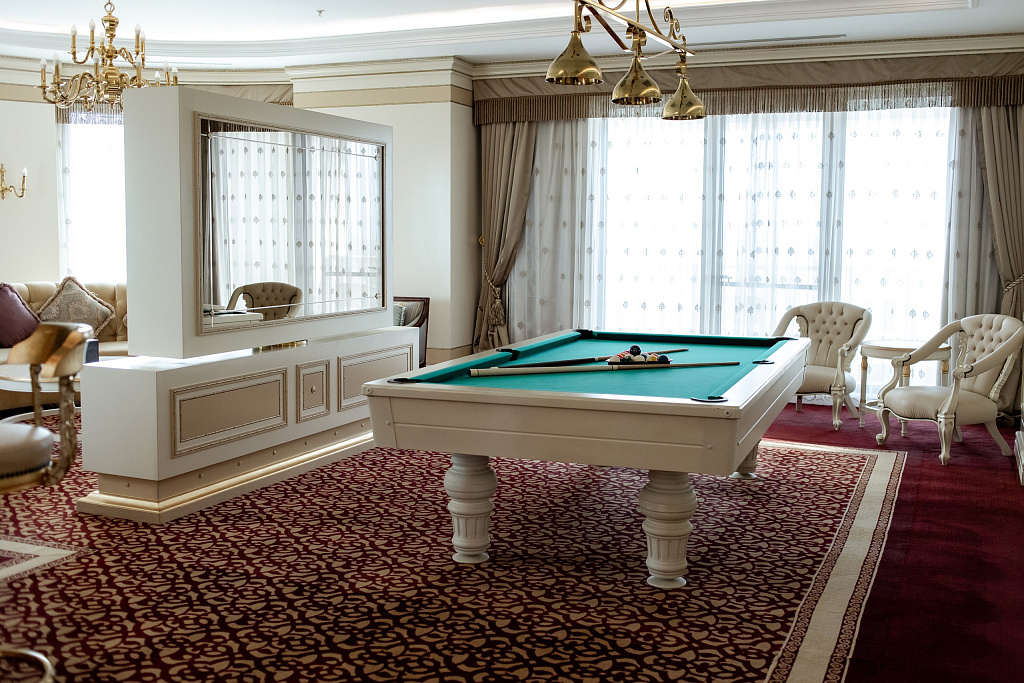
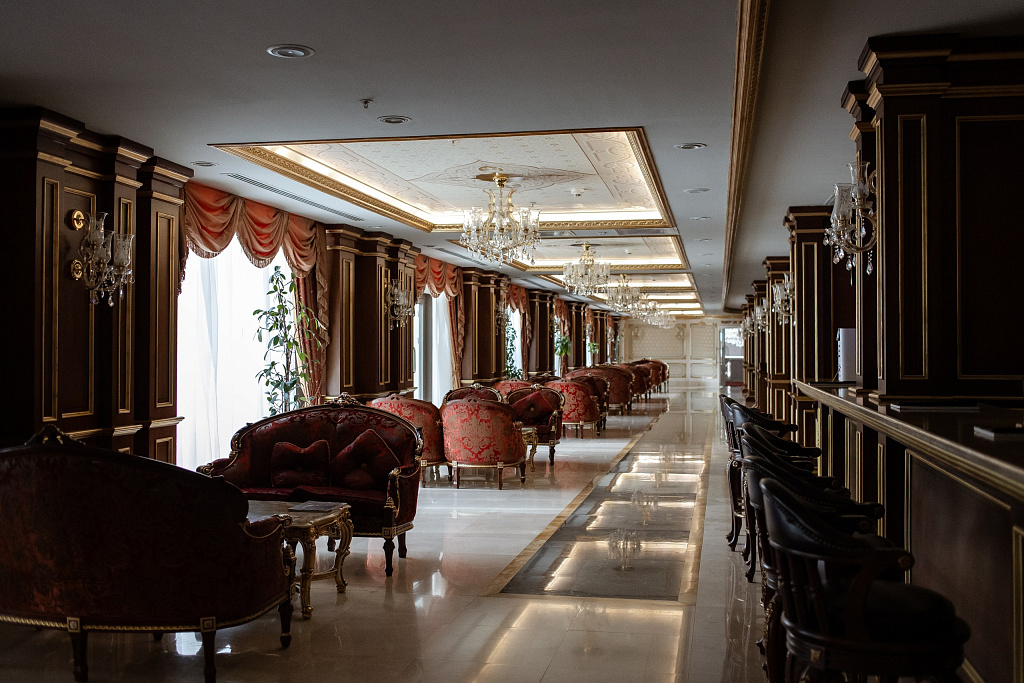
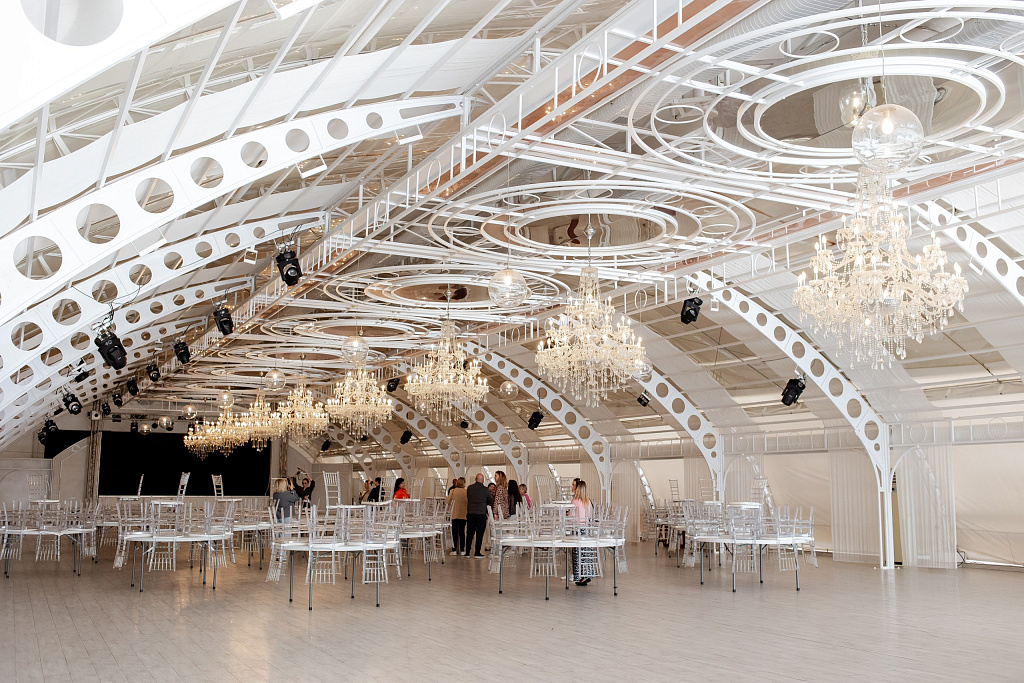
For event planners, the city offers a choice of international hotel brands and dedicated venues. Participants inspected Courtyard by Marriott Baku, Fairmont Baku, Flame Towers, JW Marriott Absheron Baku, Hilton Baku and The Ritz-Carlton, Baku, as well as the Baku Convention Center. Participants noted the contrast
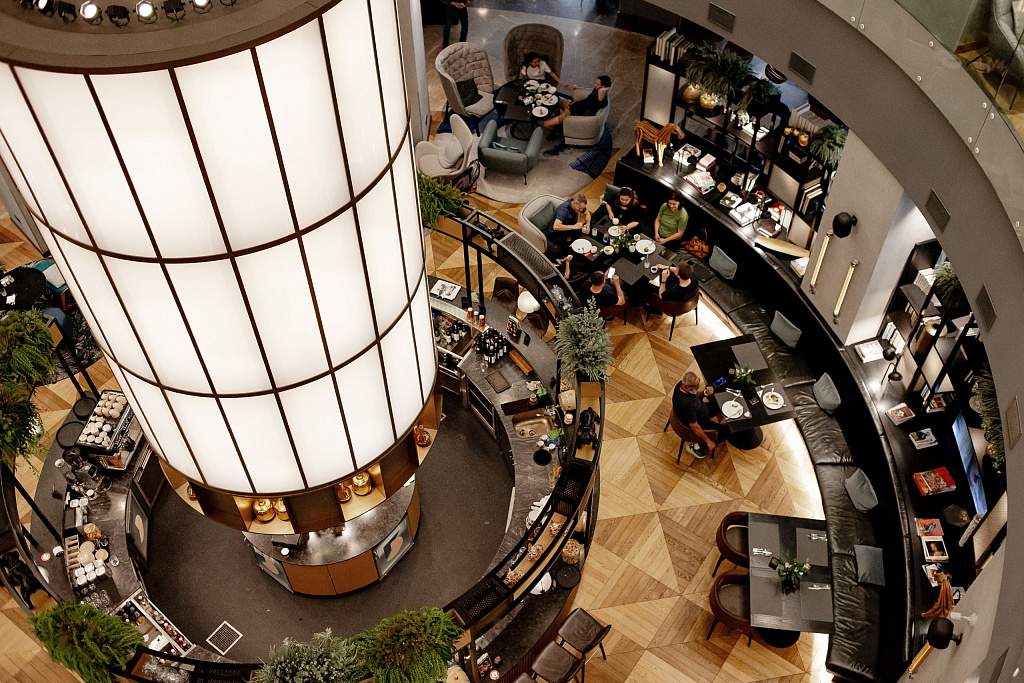
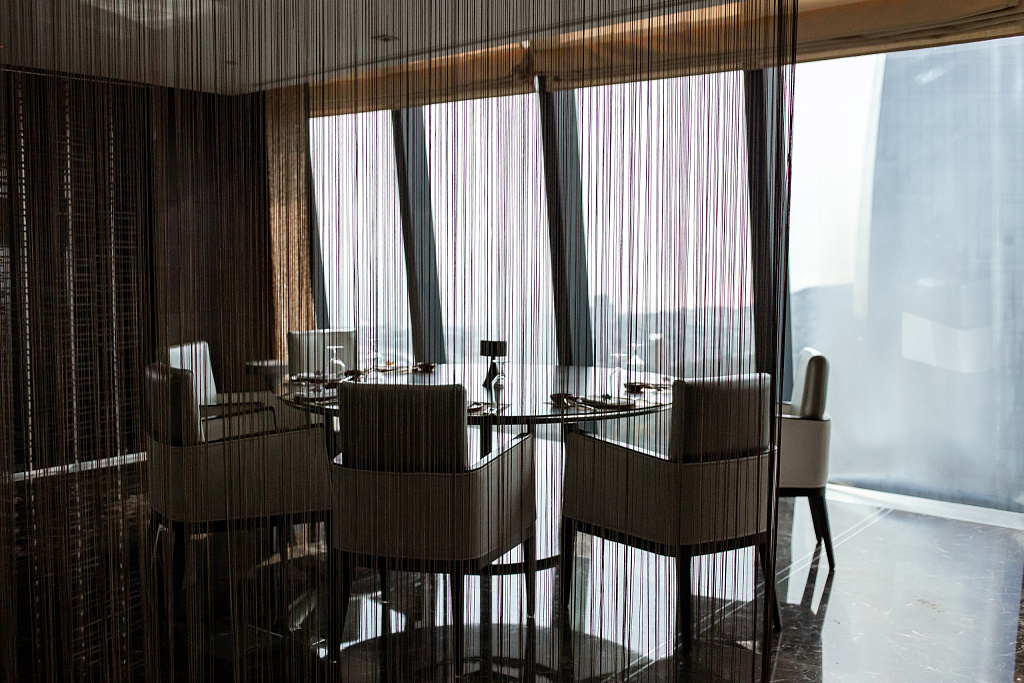
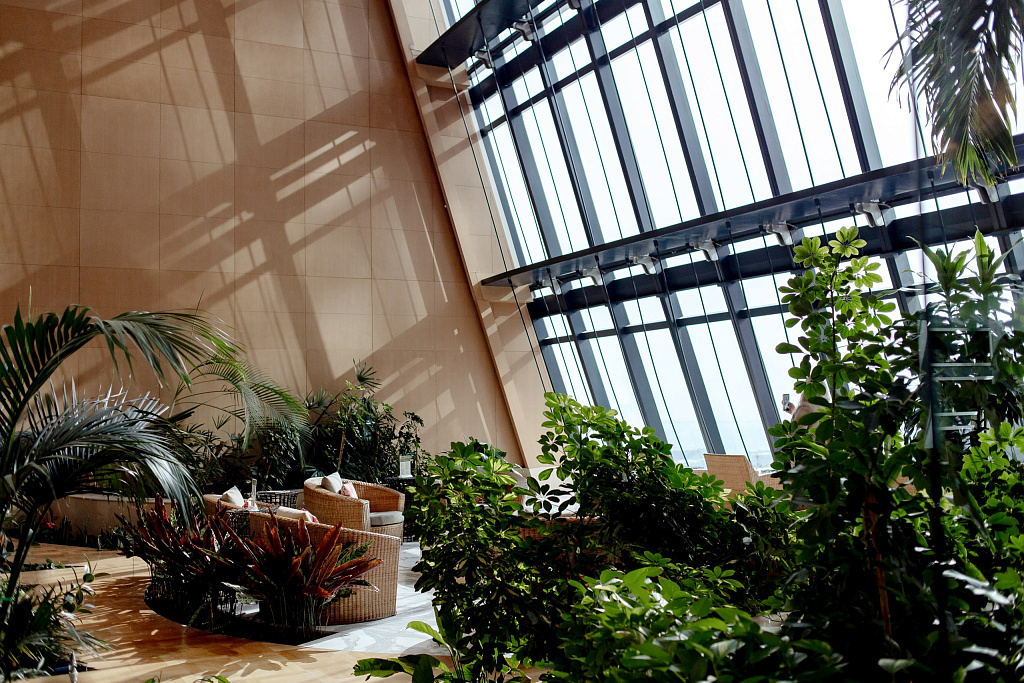
between Baku’s compact, lively centre and the quiet expanse beyond. Among the highlights were the well-equipped Baku Convention Center, the nearby Heydar Aliyev Center and Fairmont Baku, with its spacious conference centre and panoramic Bar19 restaurant. Travelling outside the high season had its advantages:
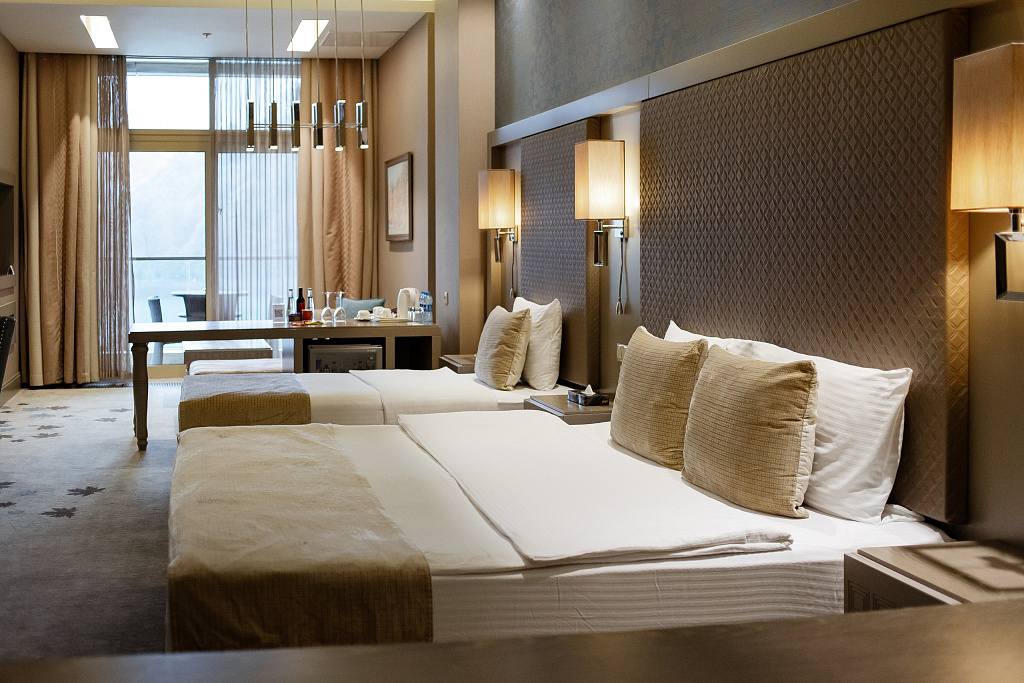
with fewer tourists around, the group was able to see almost all categories of rooms and meeting spaces.
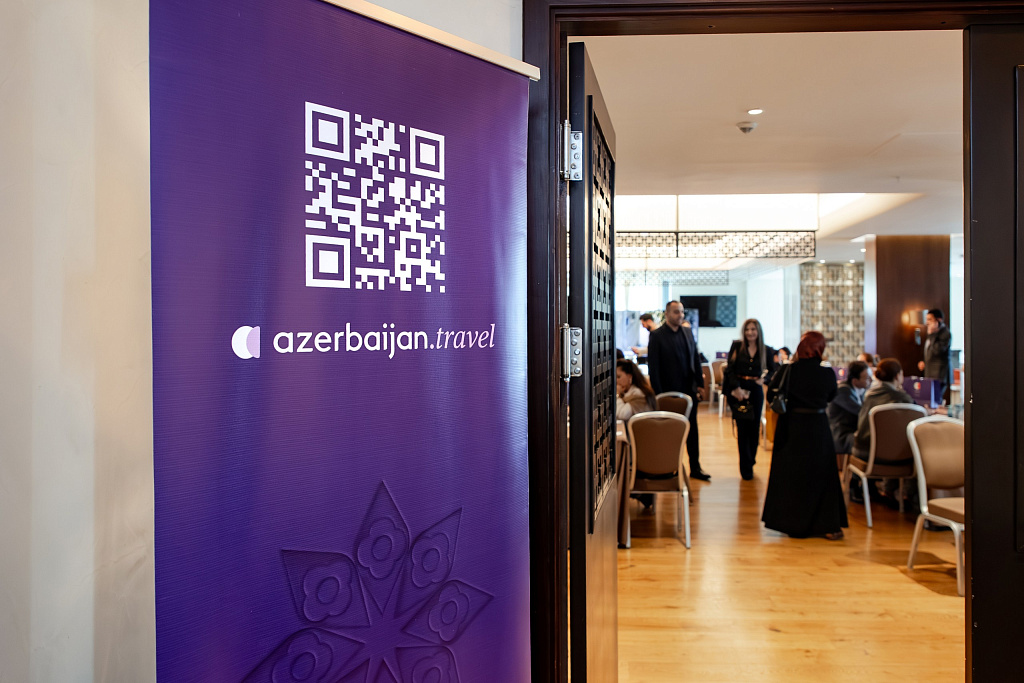
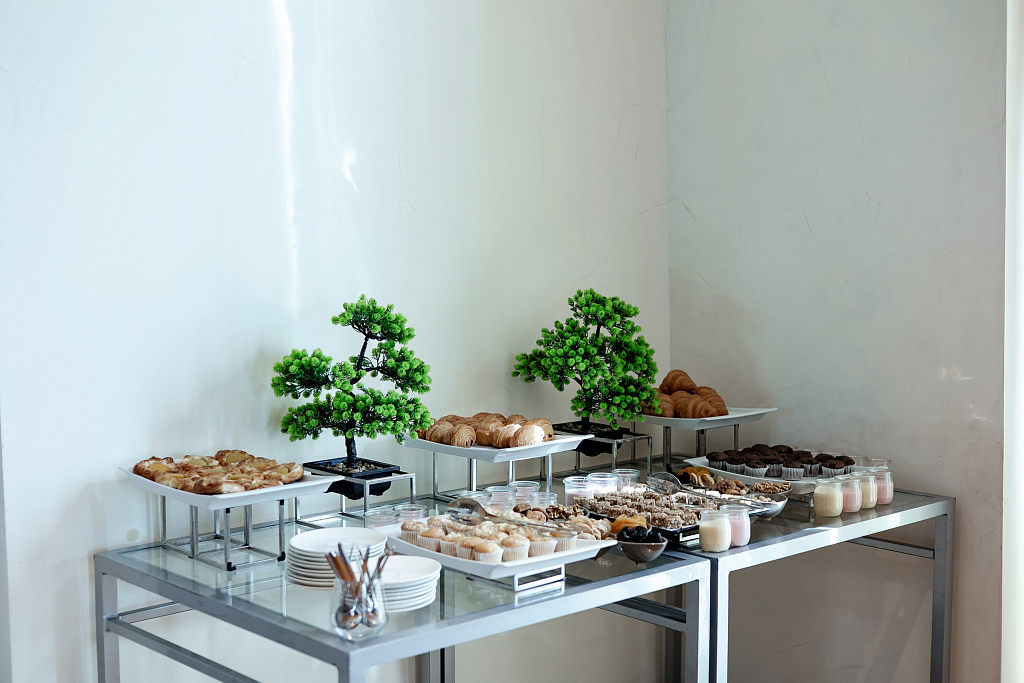

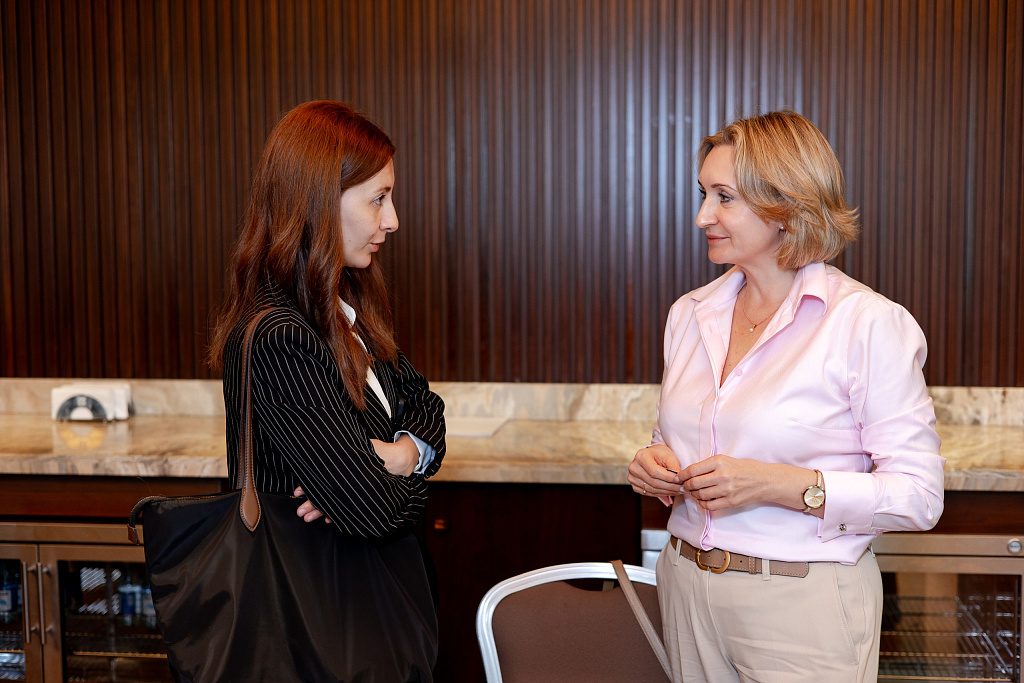

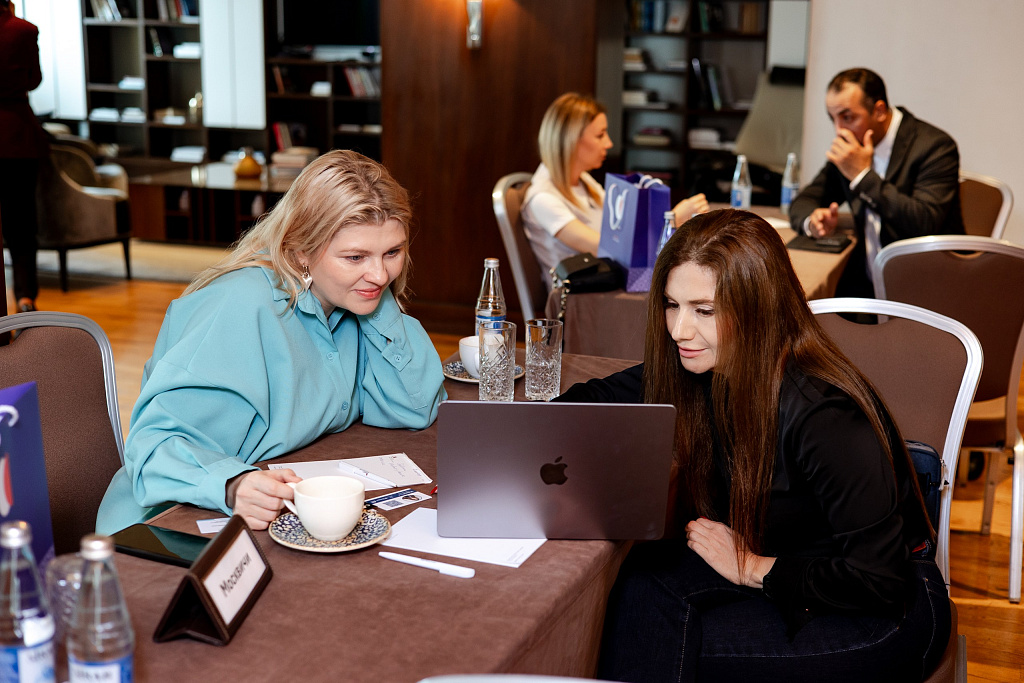
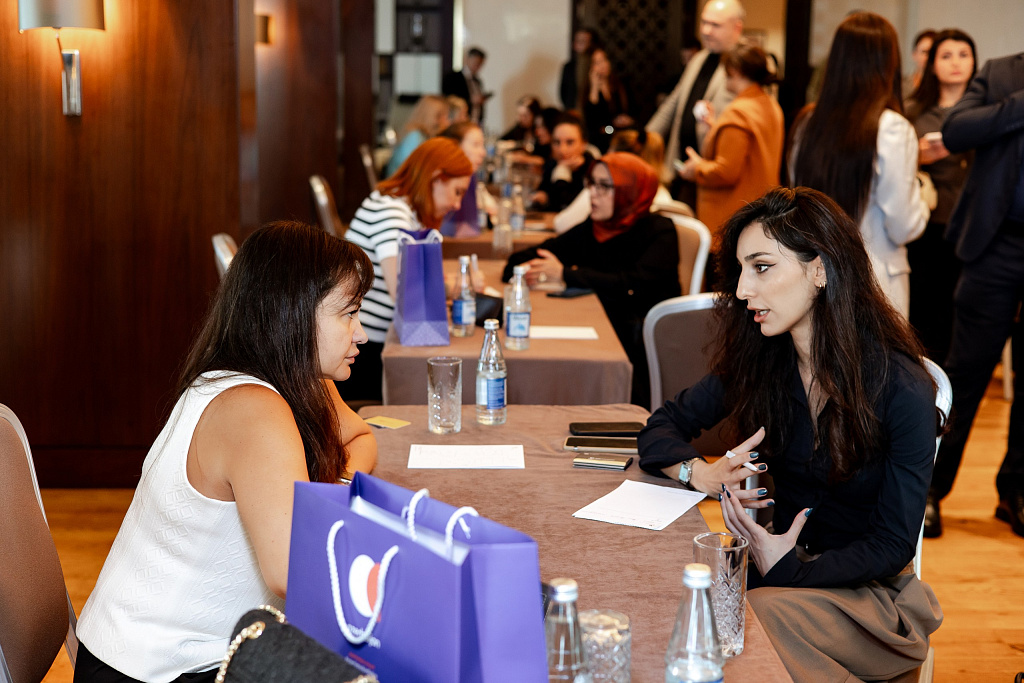
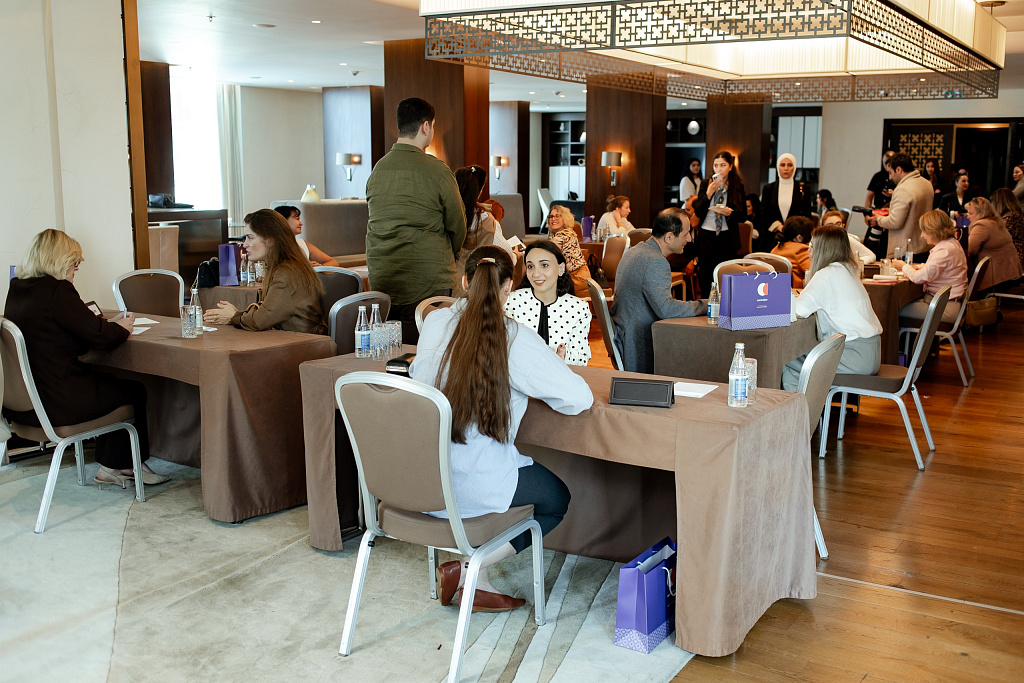
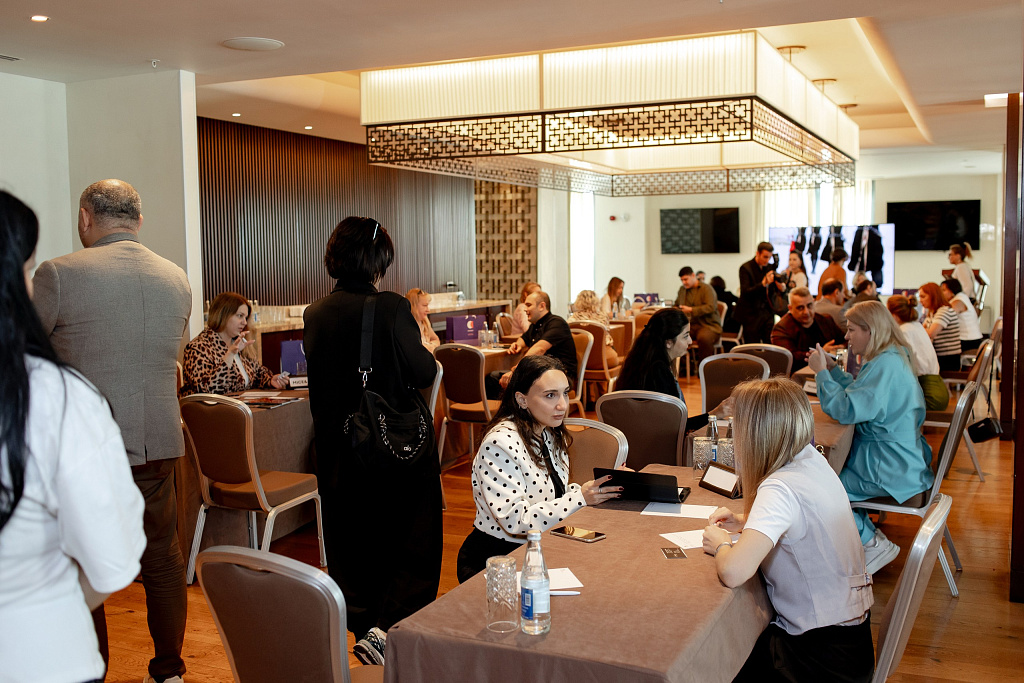
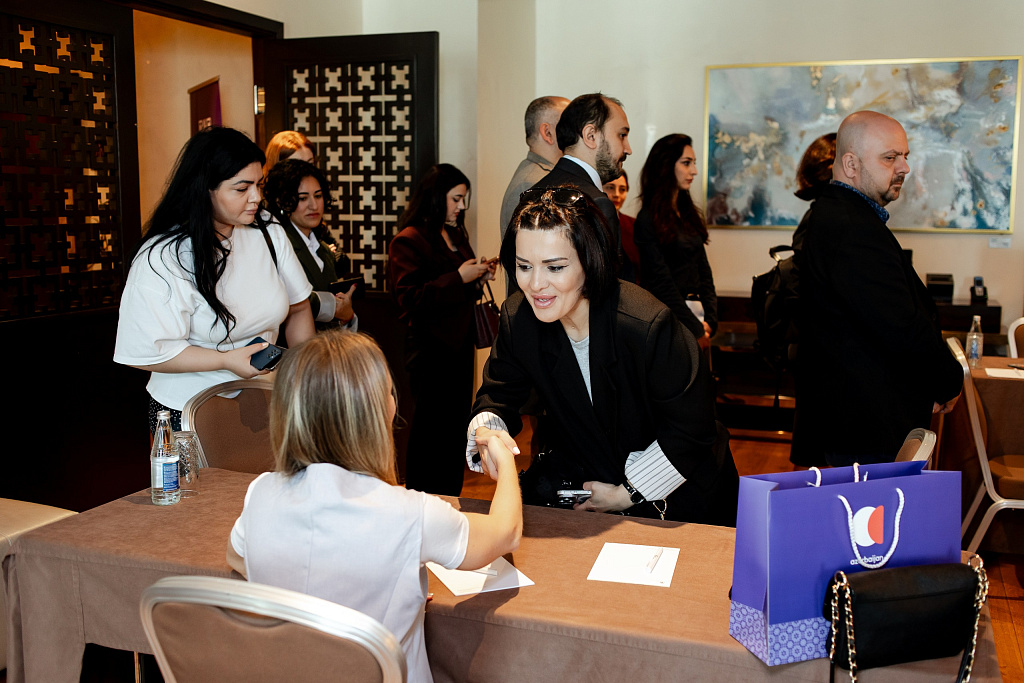
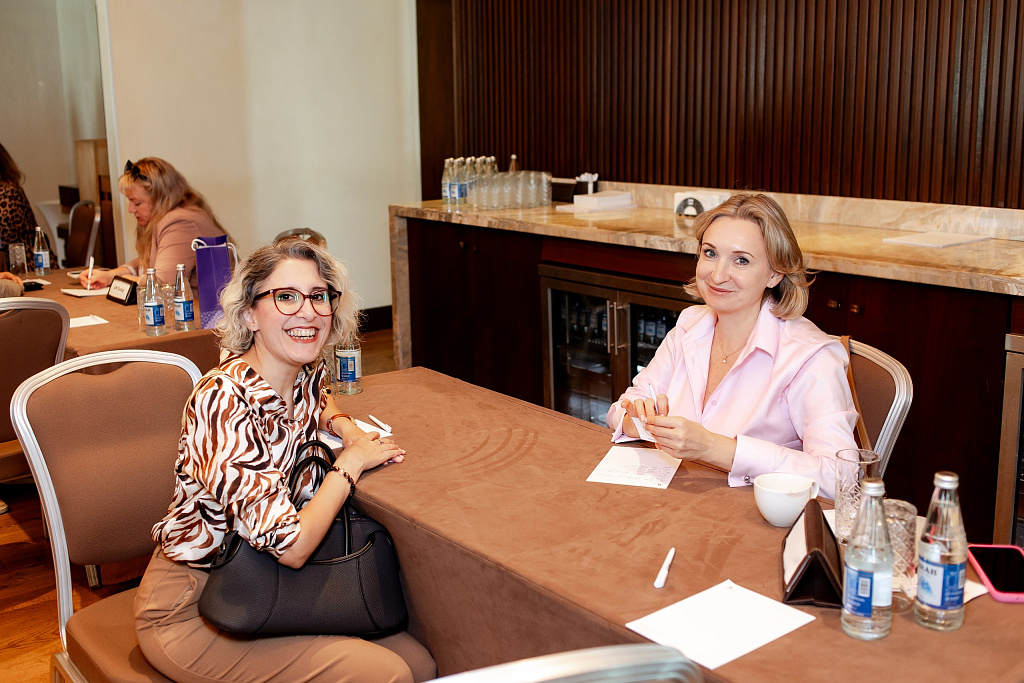

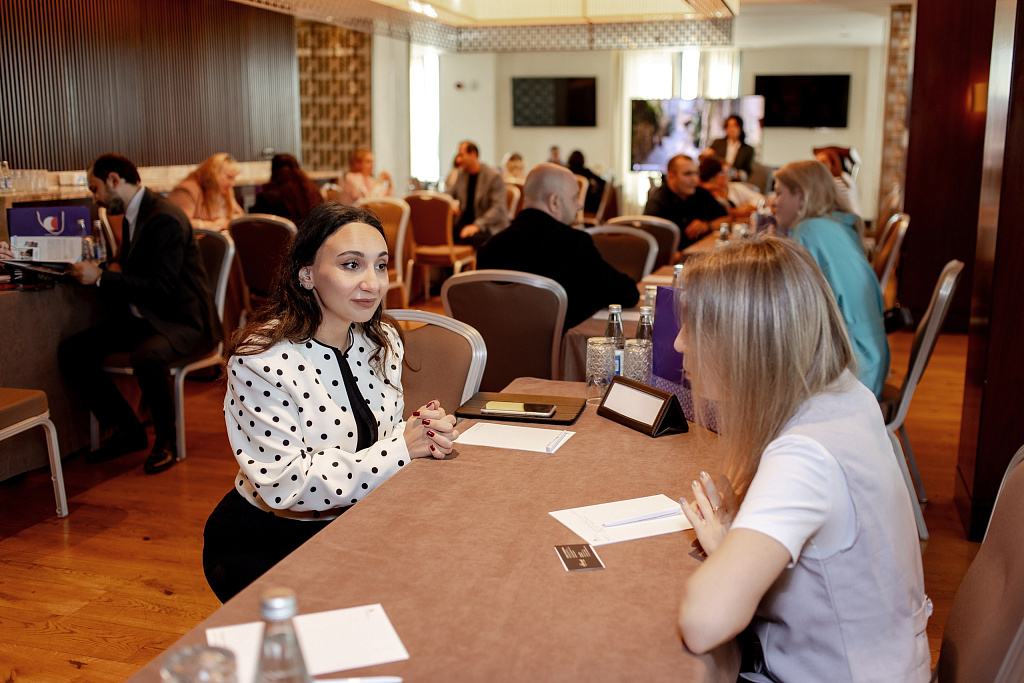
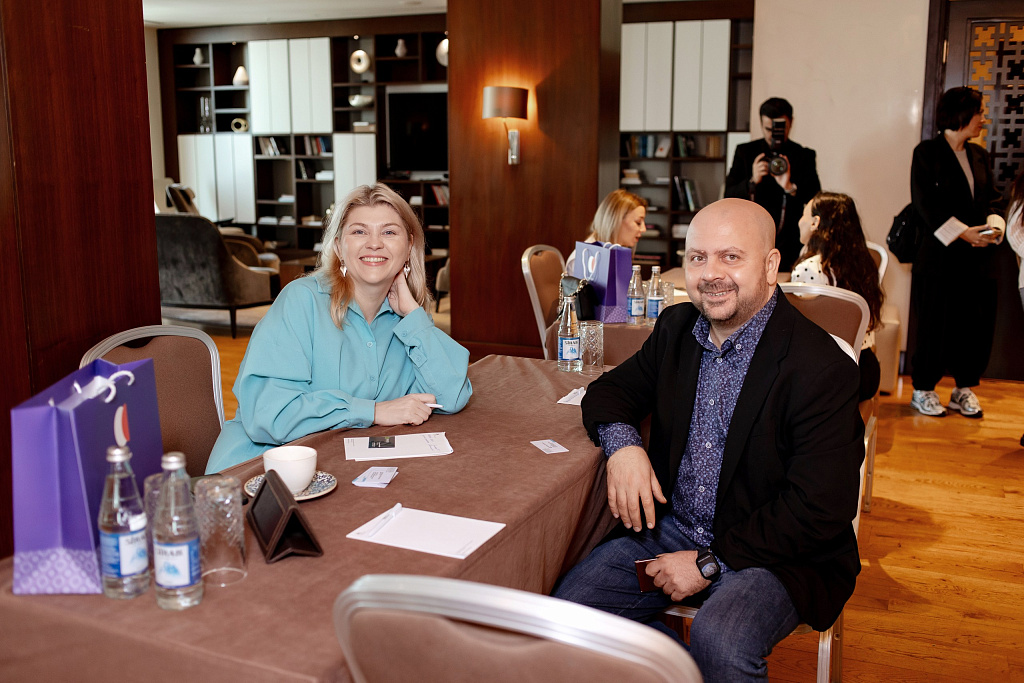

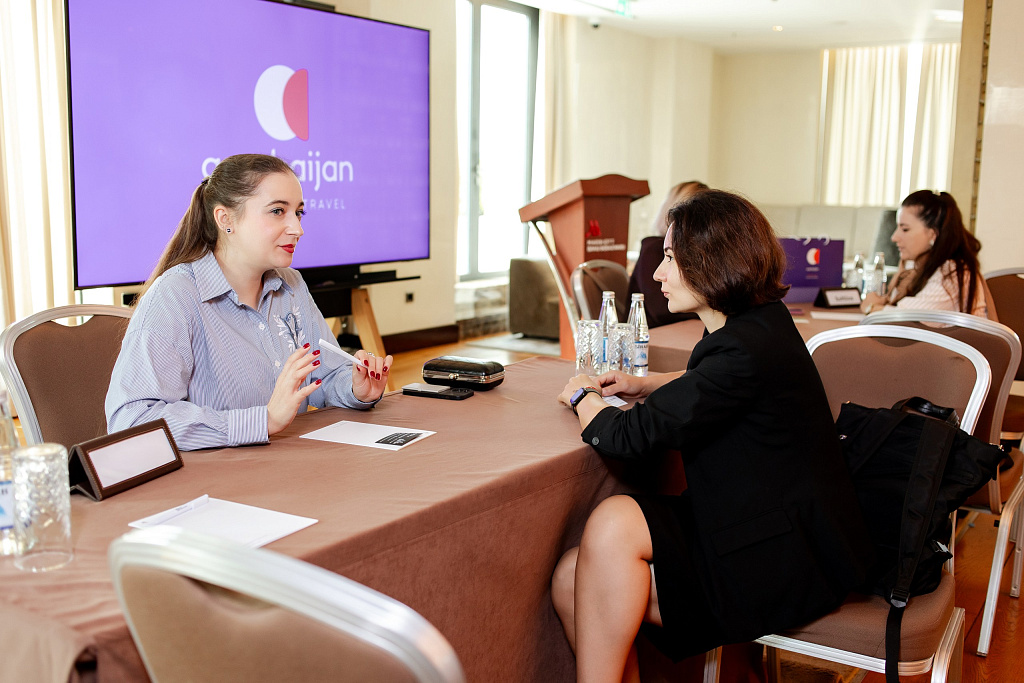
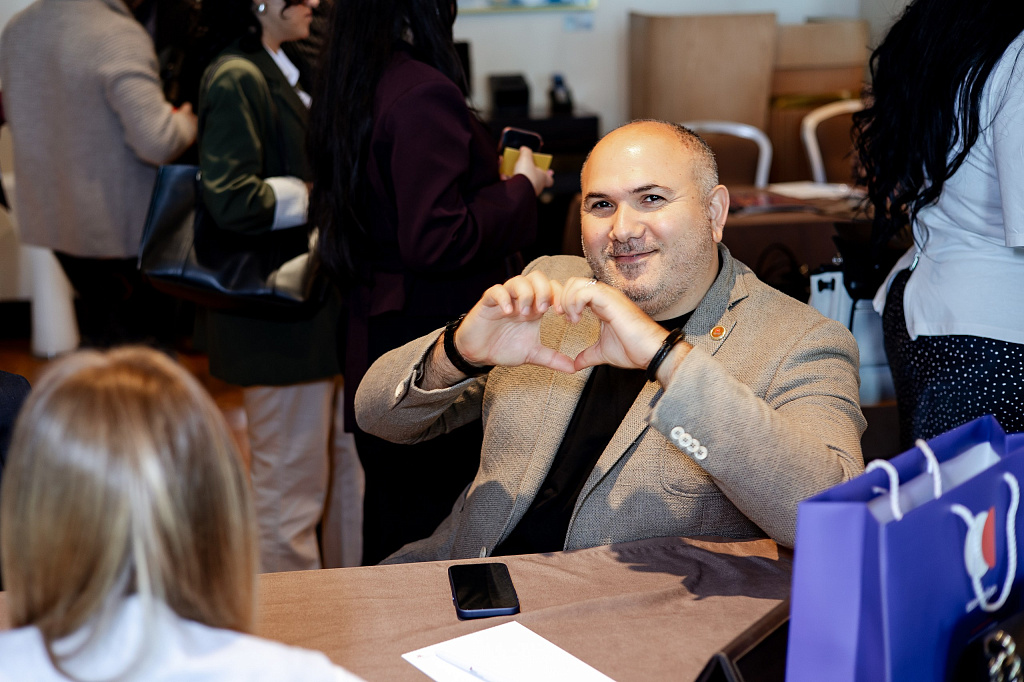
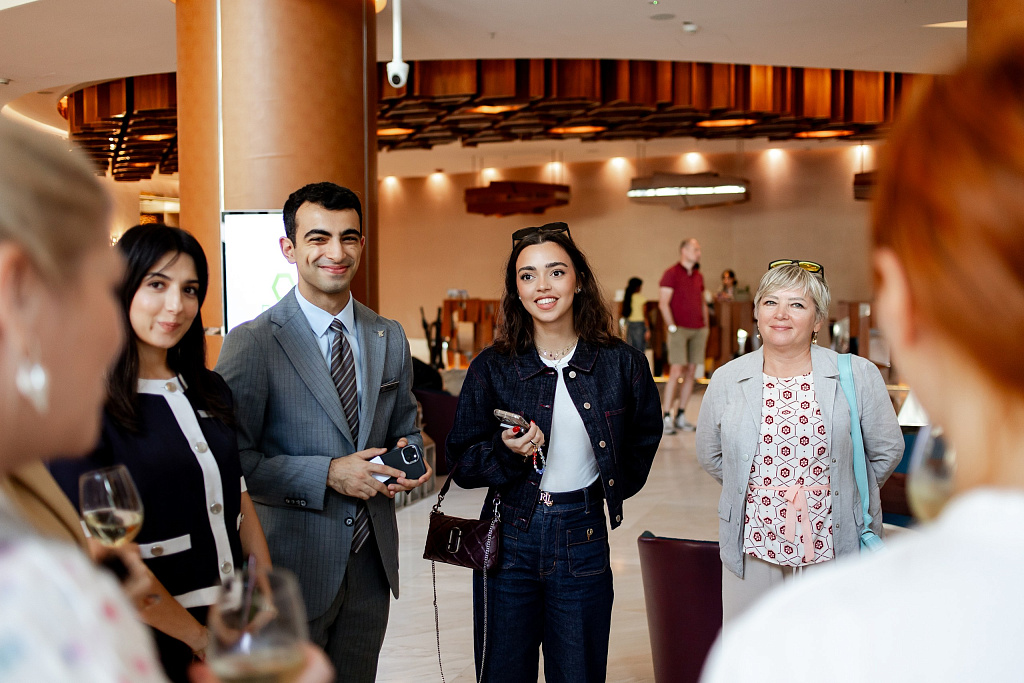
A workshop organised by the Azerbaijan Tourism Board brought the group together with hotels, DMCs and incoming agencies working with corporate clients. Participants valued the opportunity to meet potential partners in person, discuss their clients’ needs and establish direct contacts for future projects. For some, the experience also confirmed that Azerbaijan was a destination they would actively recommend to their own clients.
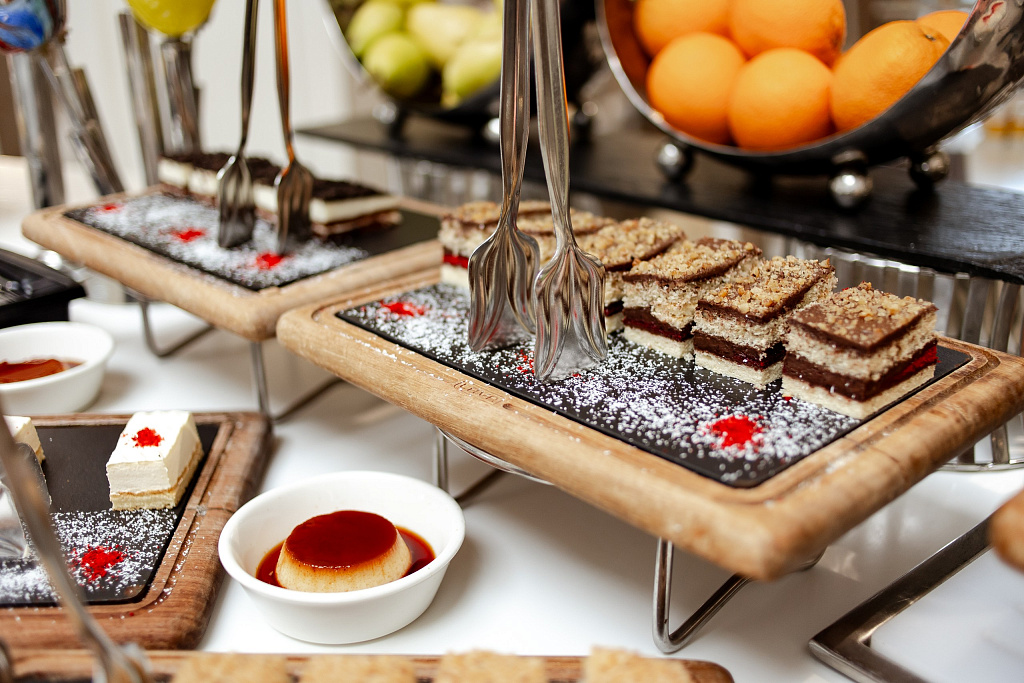
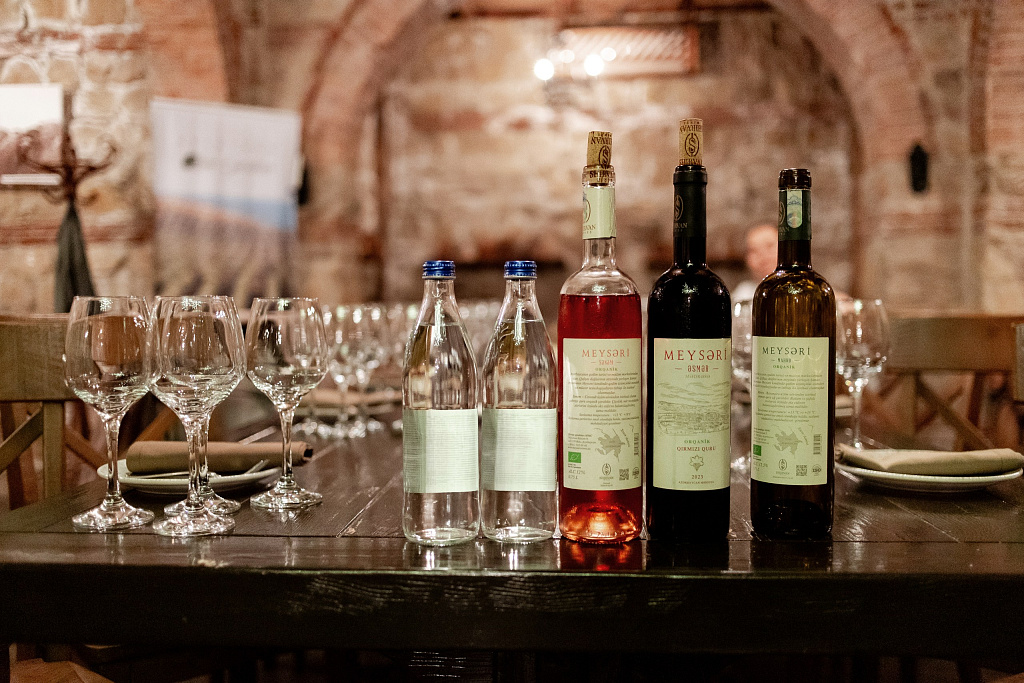
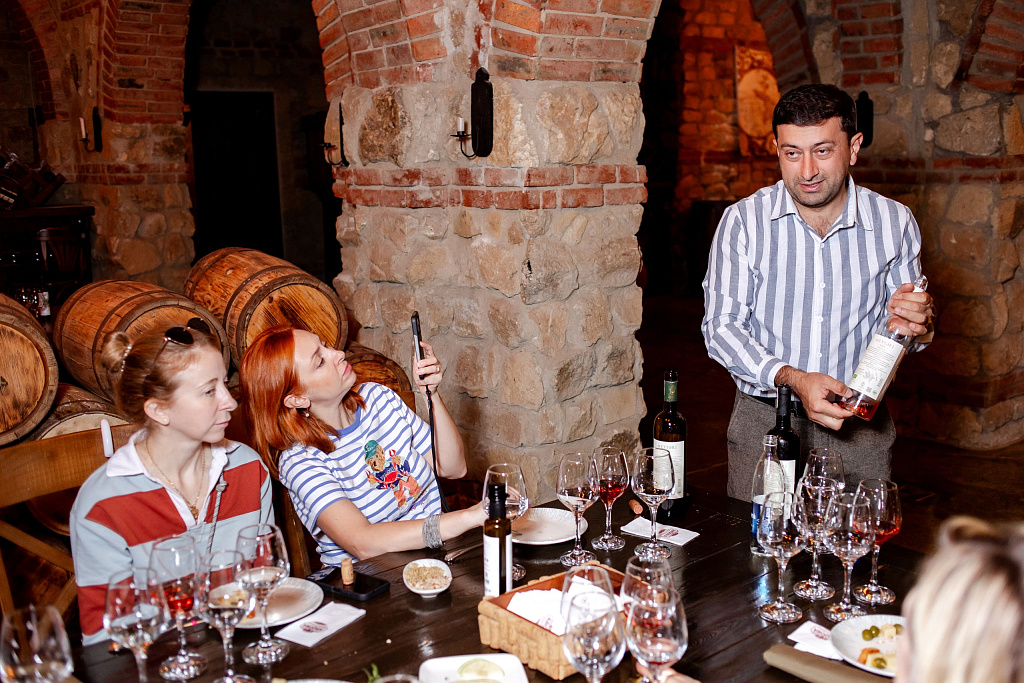
Local flavours were part of the programme, too, with meals at Qaynana, Otdykh, Cuppa, Manzara and Şüşəbənd. The generous hospitality left an impression, although some local dishes could feel rich to those unaccustomed to them. A buffet lunch at a hotel also gave participants a useful opportunity to assess its kitchen and chefs.




THE BALABAN: A BREATH OF THE MOUNTAINS
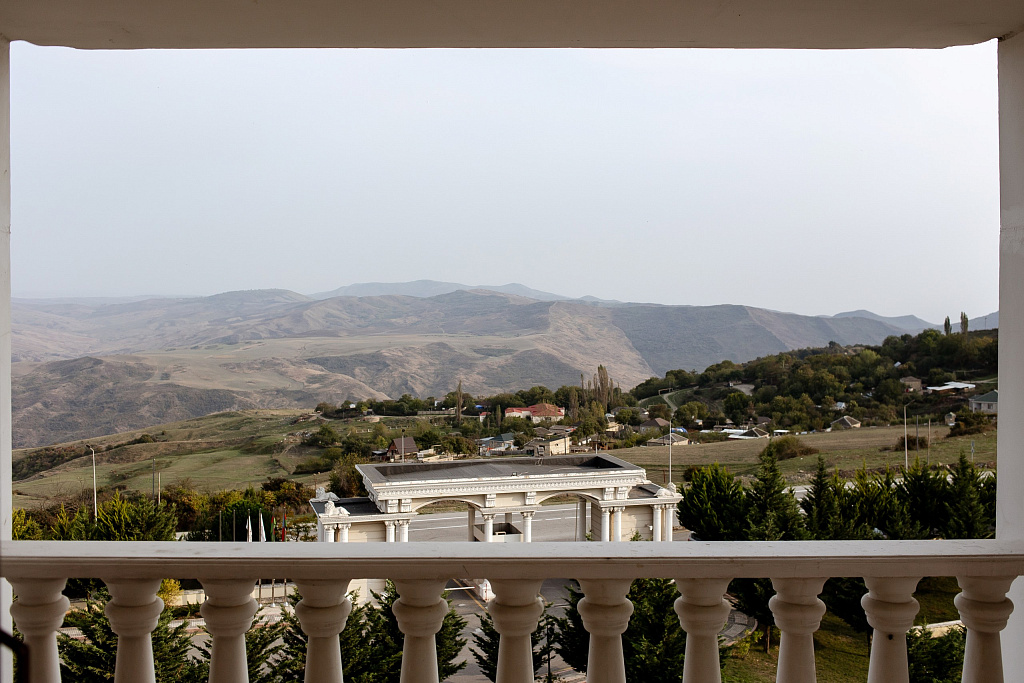
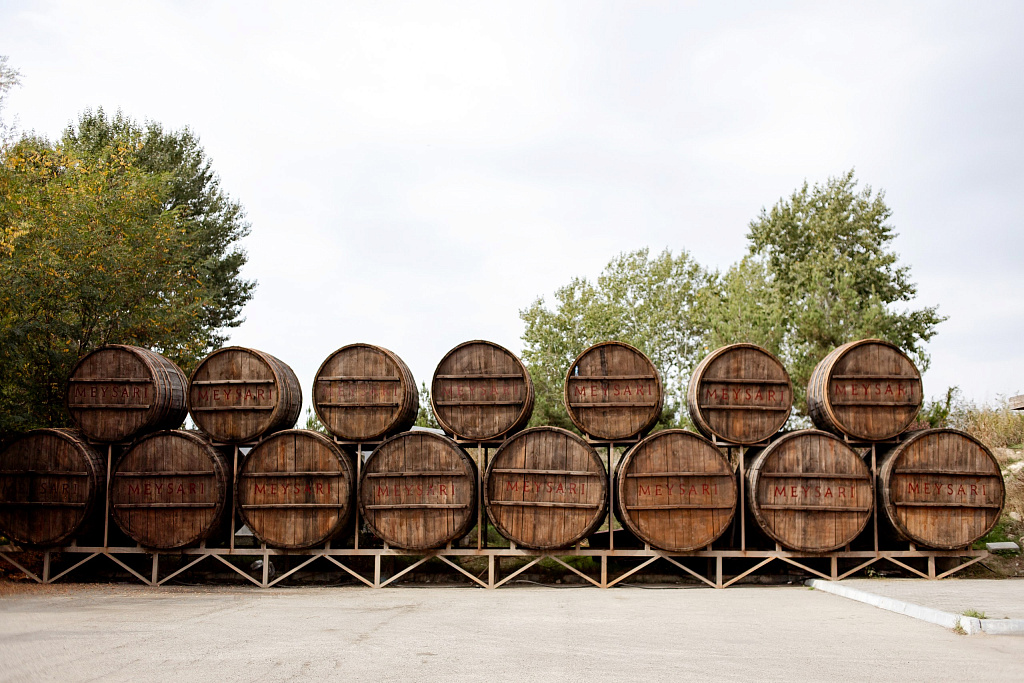
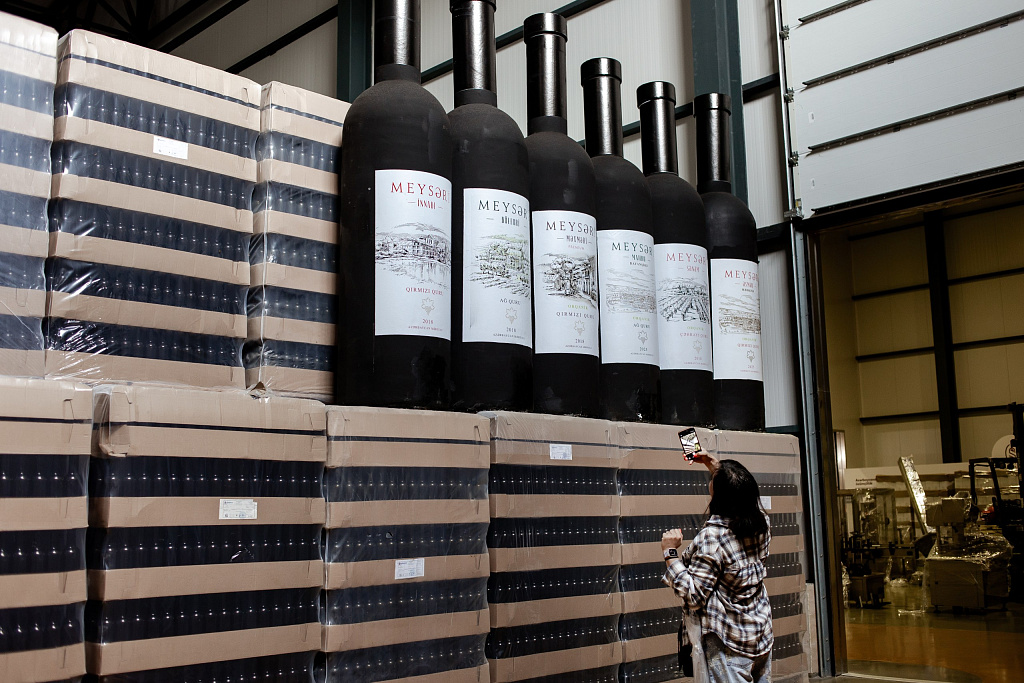
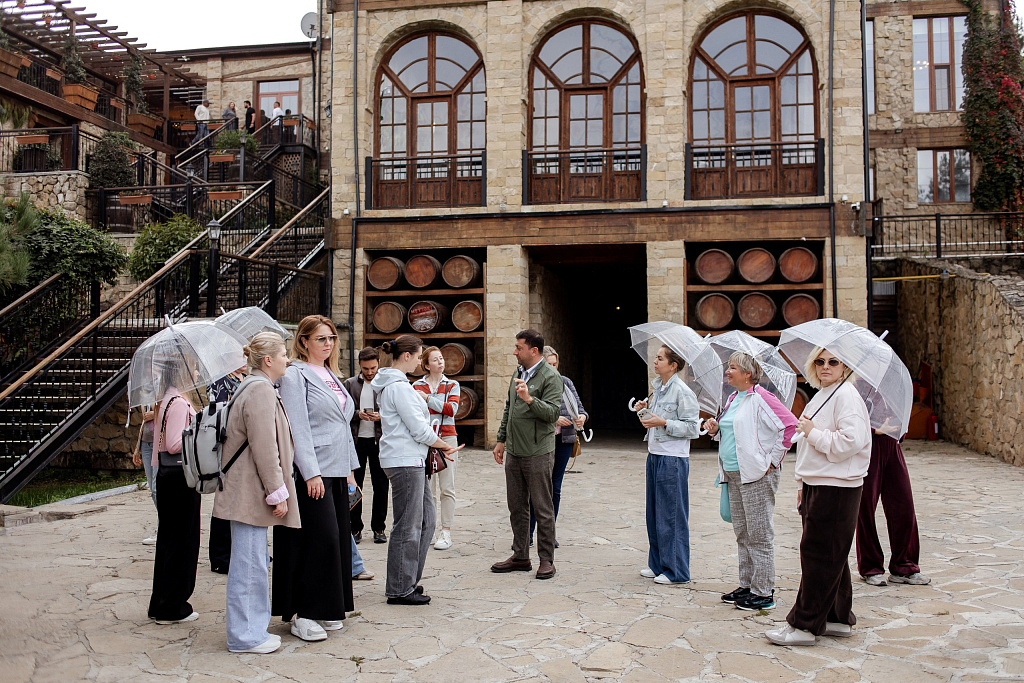
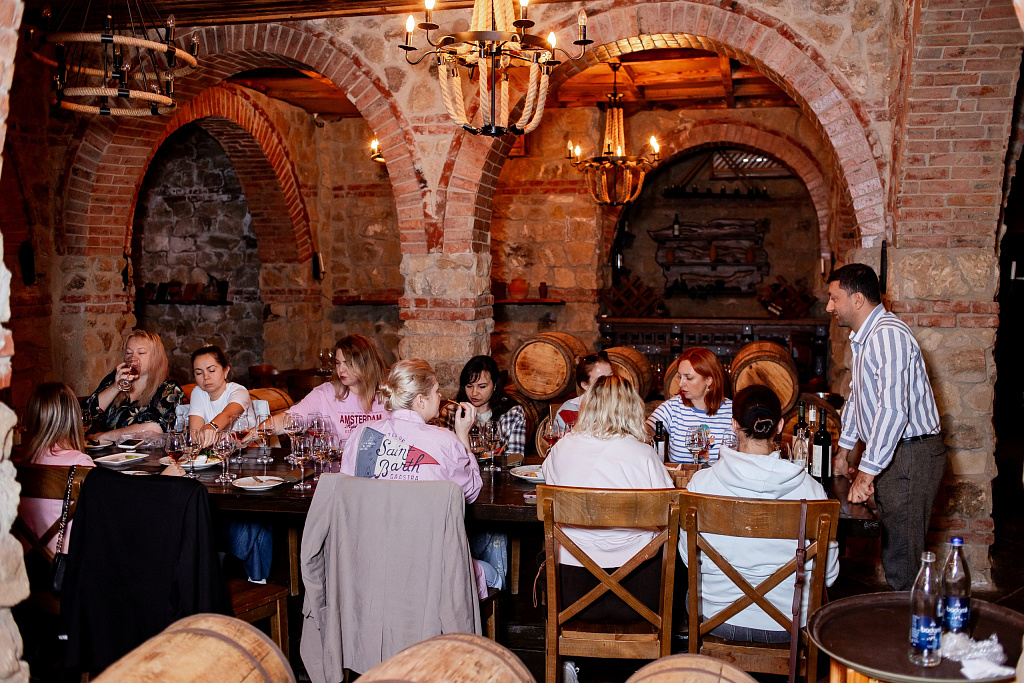
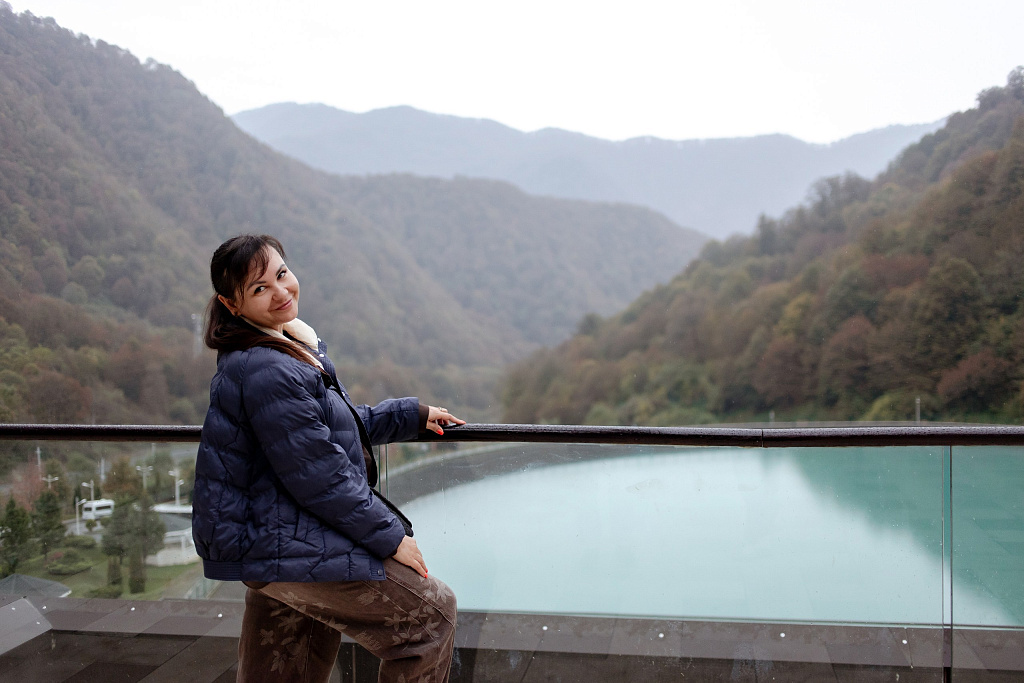
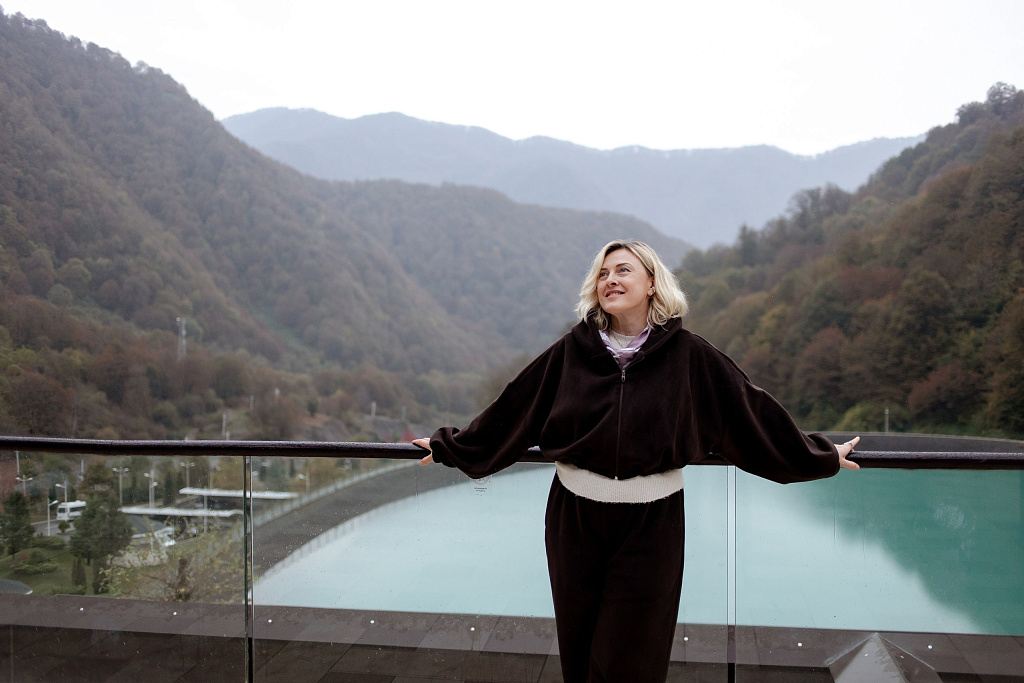
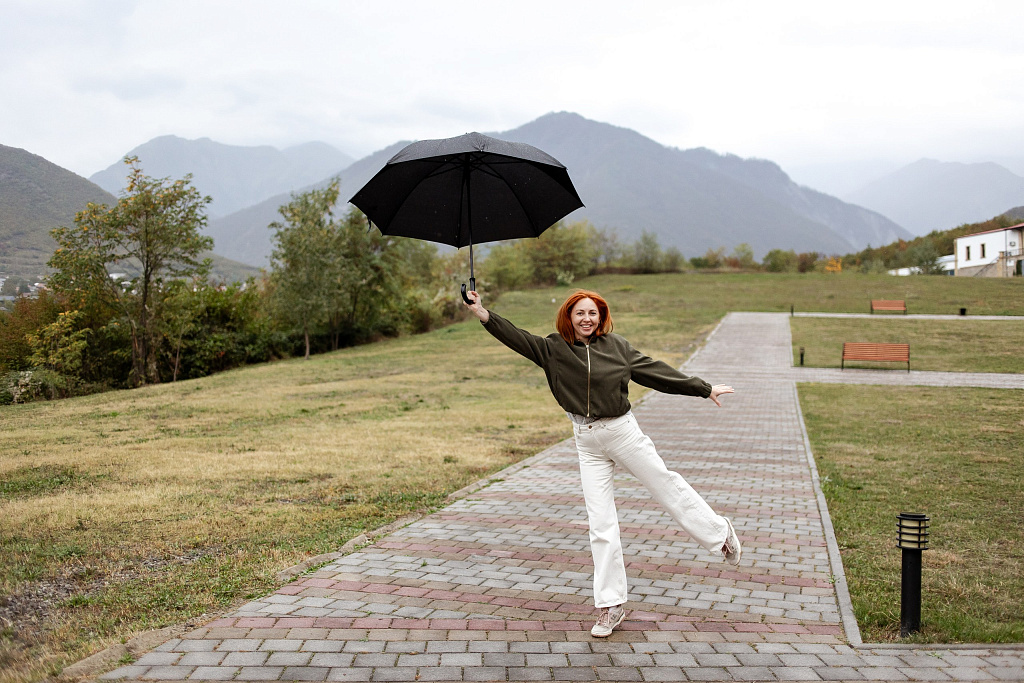
The warm, soft voice of the balaban, a traditional wind instrument, suits a slower movement through the countryside. Beyond Baku, the itinerary continued to Shamakhi, Shaki and Gabala, bringing together local cuisine, craftsmanship and mountain scenery.
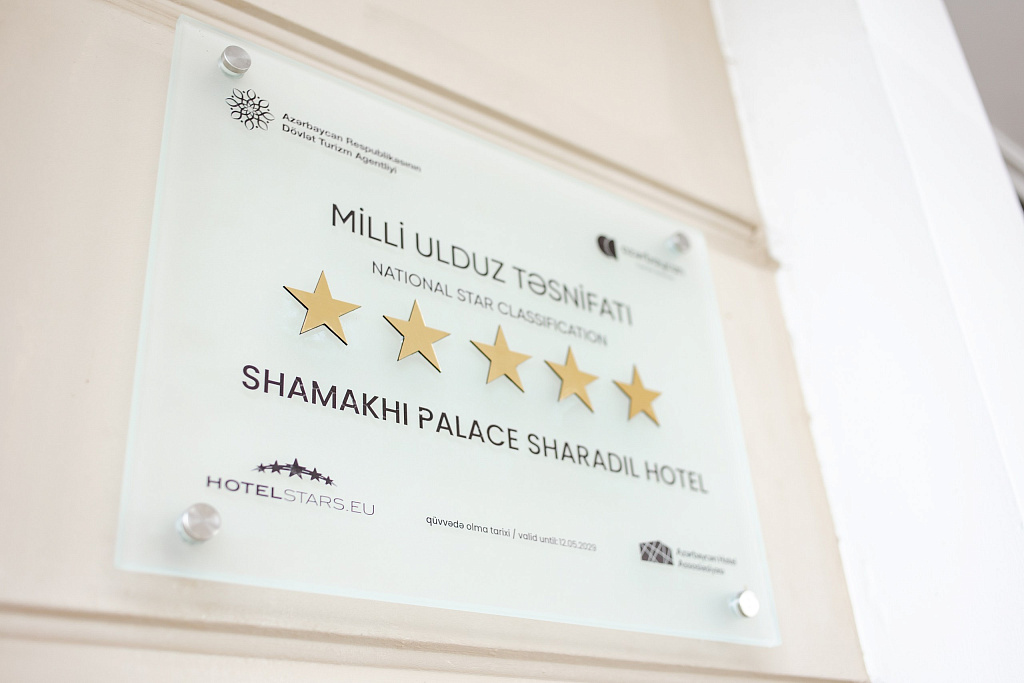
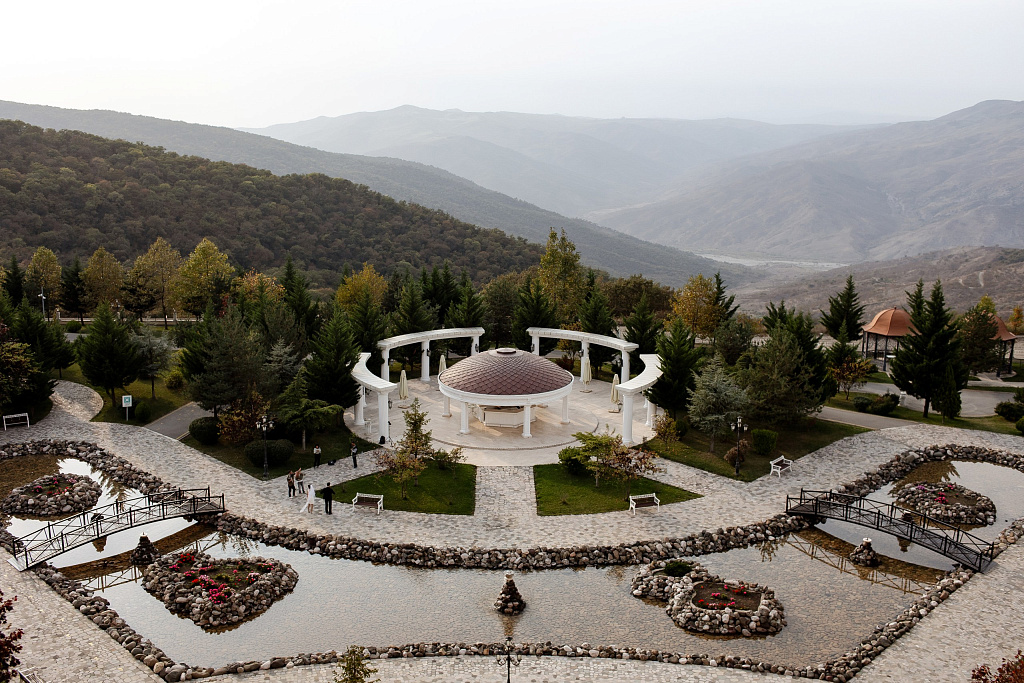
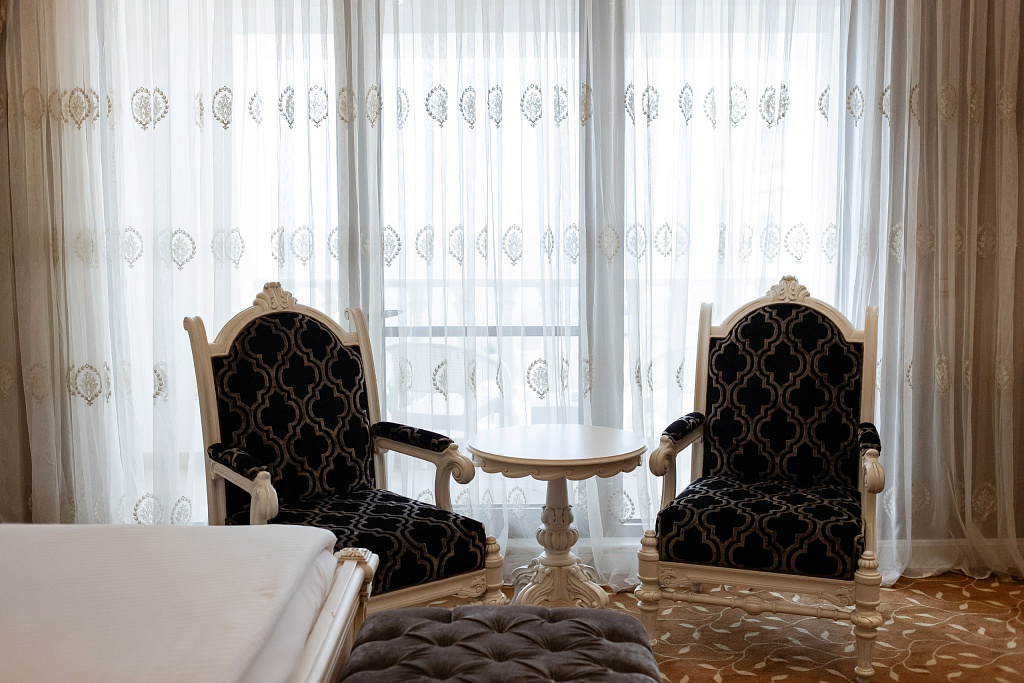
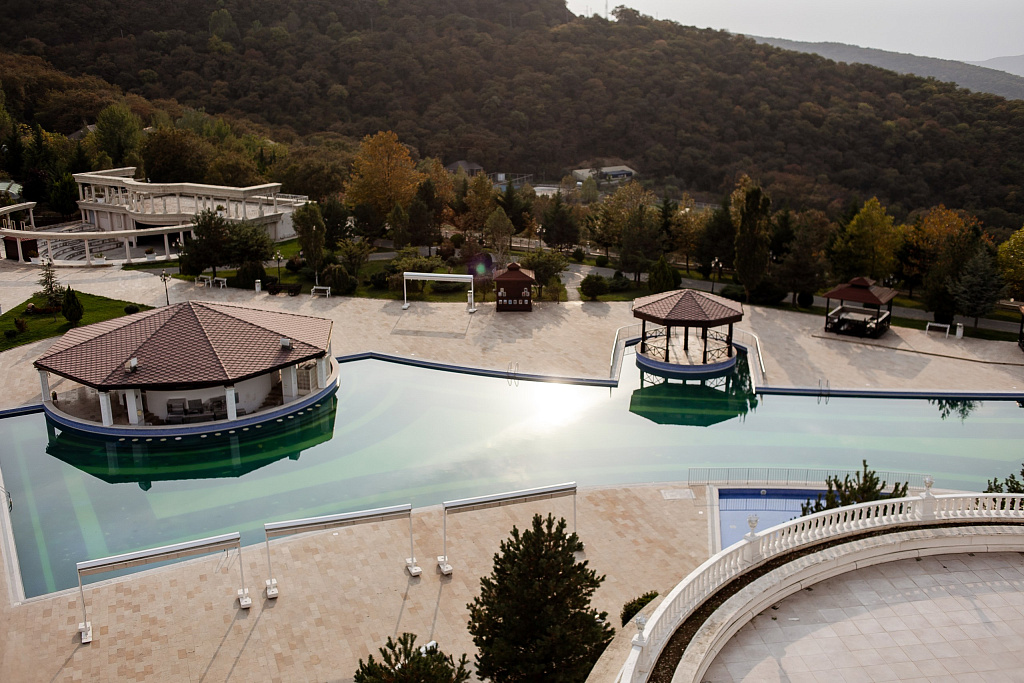
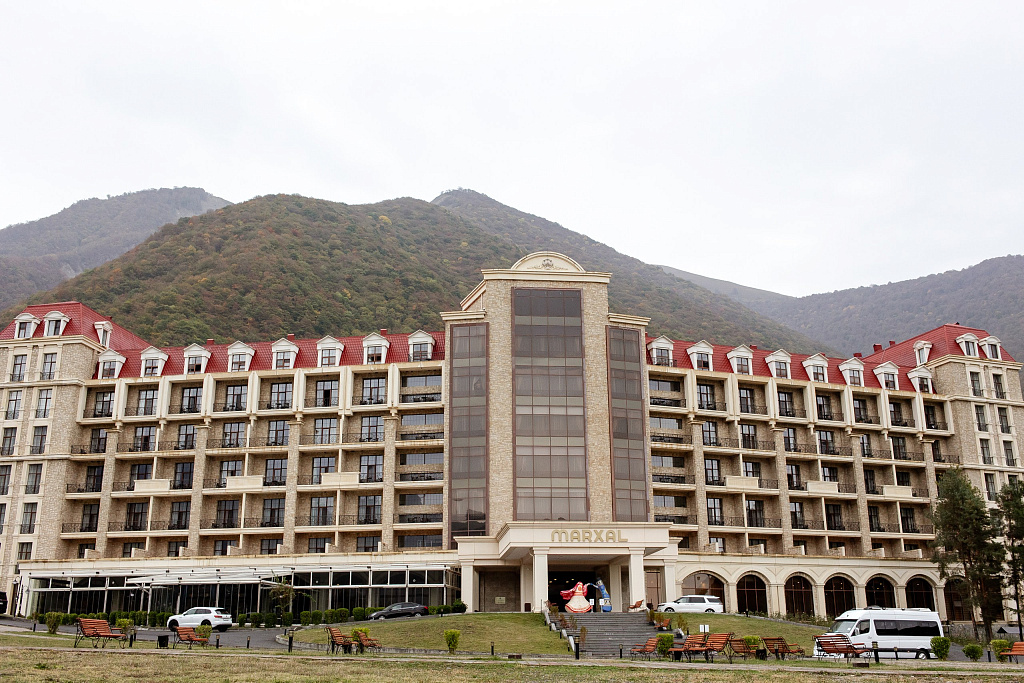
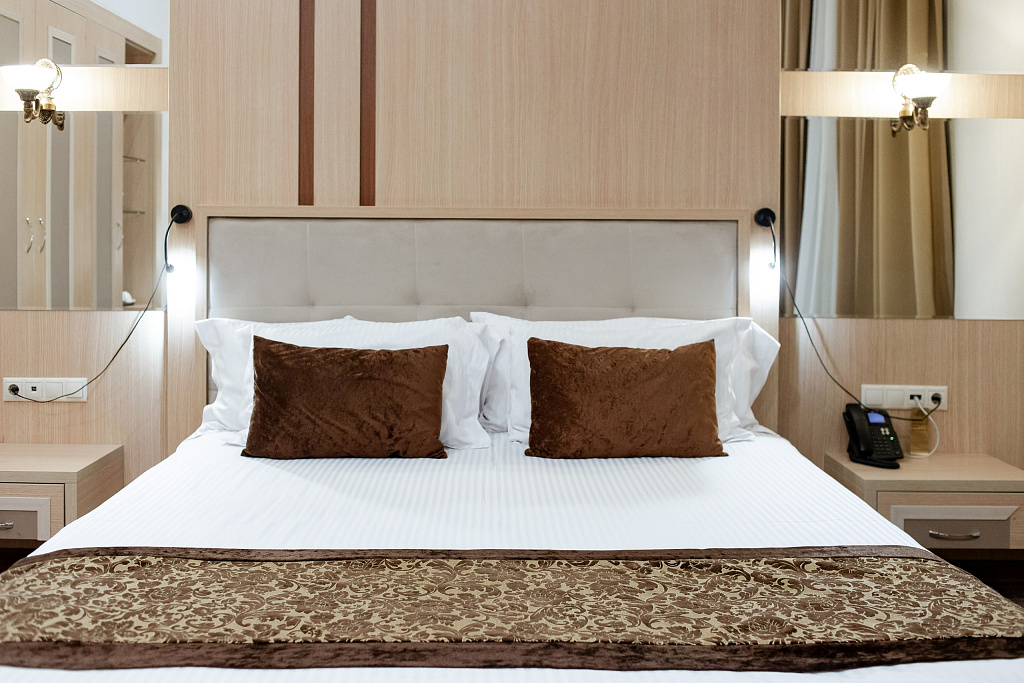
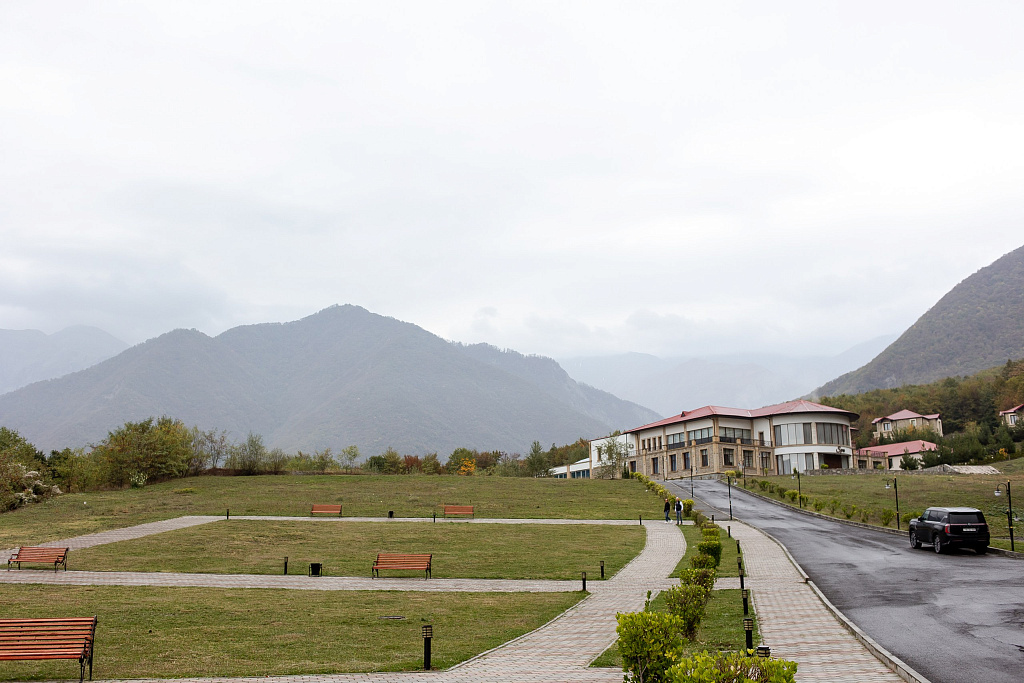
In Shamakhi, the group visited Shamakhi Palace Sharadil, where participants had lunch. In Shaki, participants stayed at and inspected Marxal Resort & Spa before exploring the Palace of the Shaki Khans and the city’s caravanserai. A kelaghayi workshop introduced them to the making of traditional silk scarves.
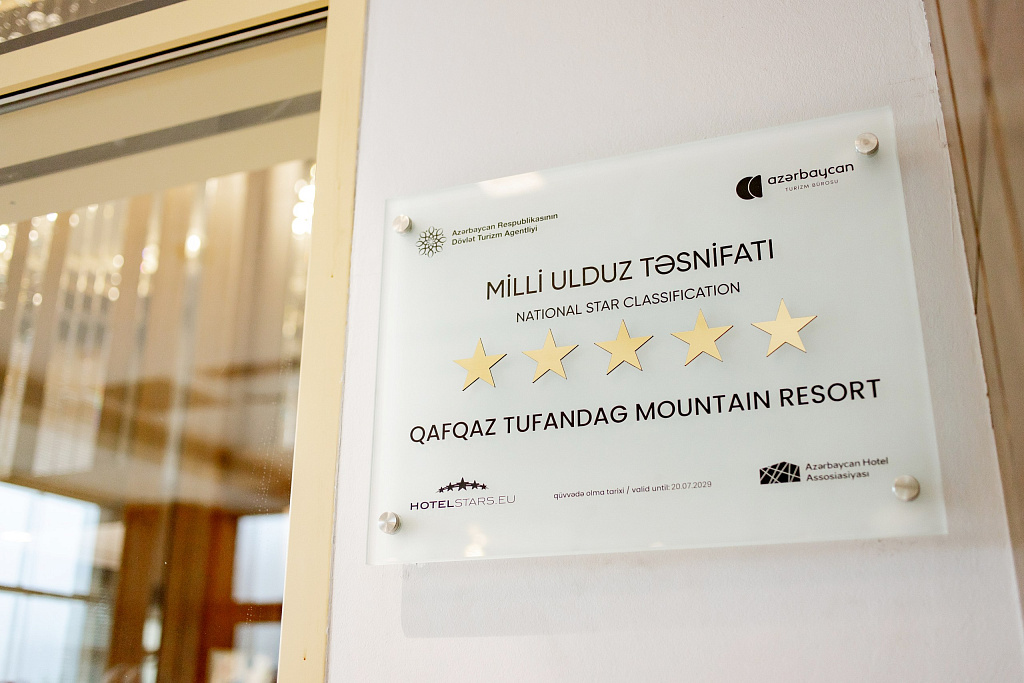
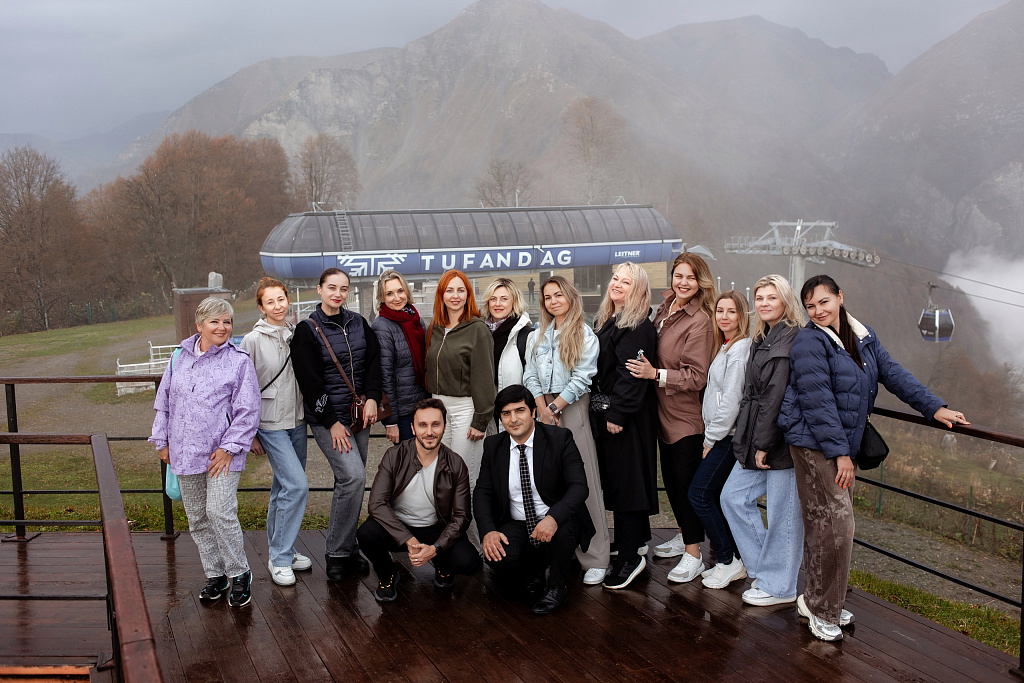
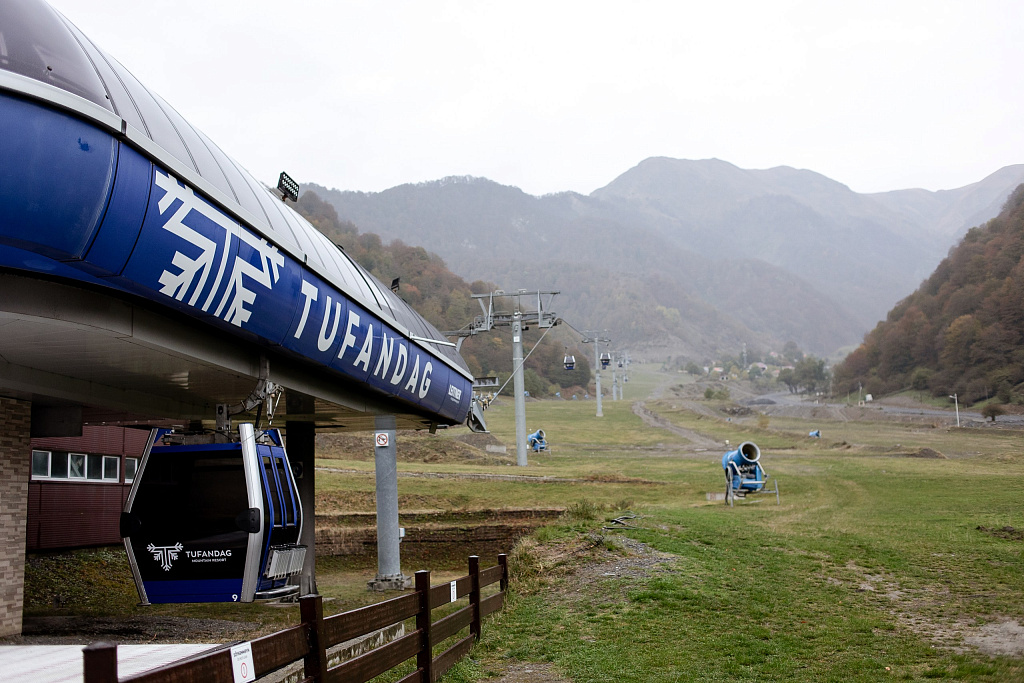
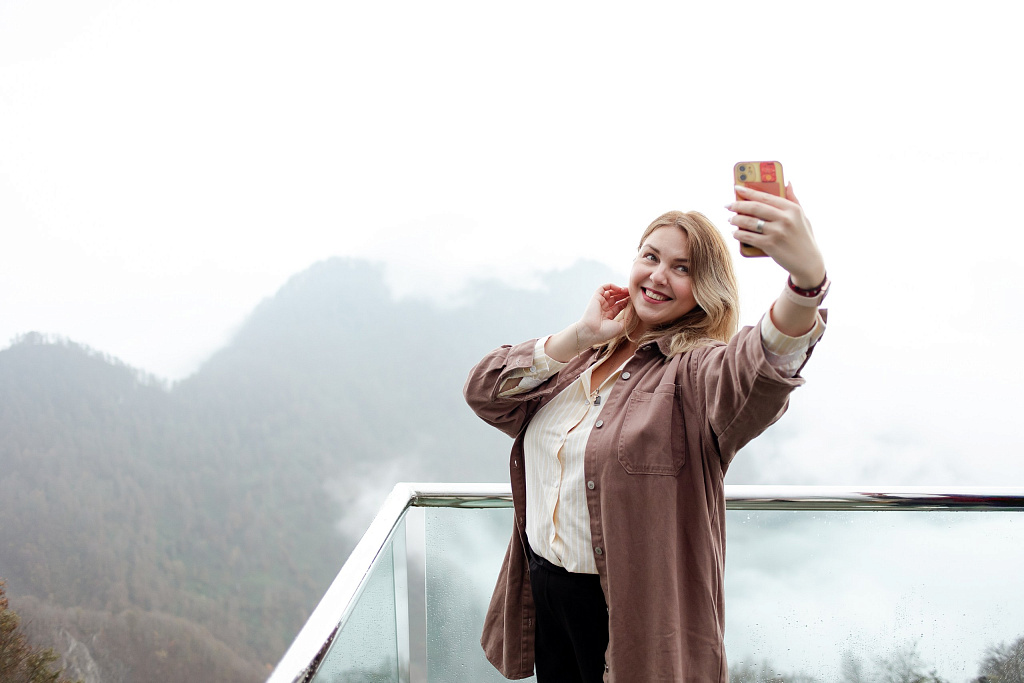
The journey continued to Gabala, where the group inspected Qafqaz Tufandag Mountain Resort Hotel and the Tufandag cable car. Together, these stops showed how a corporate itinerary can move from business meetings to local cuisine, cultural discovery and mountain activities — each adding a different dimension to the experience.
THE KAMANCHA: THE CASPIAN HORIZON
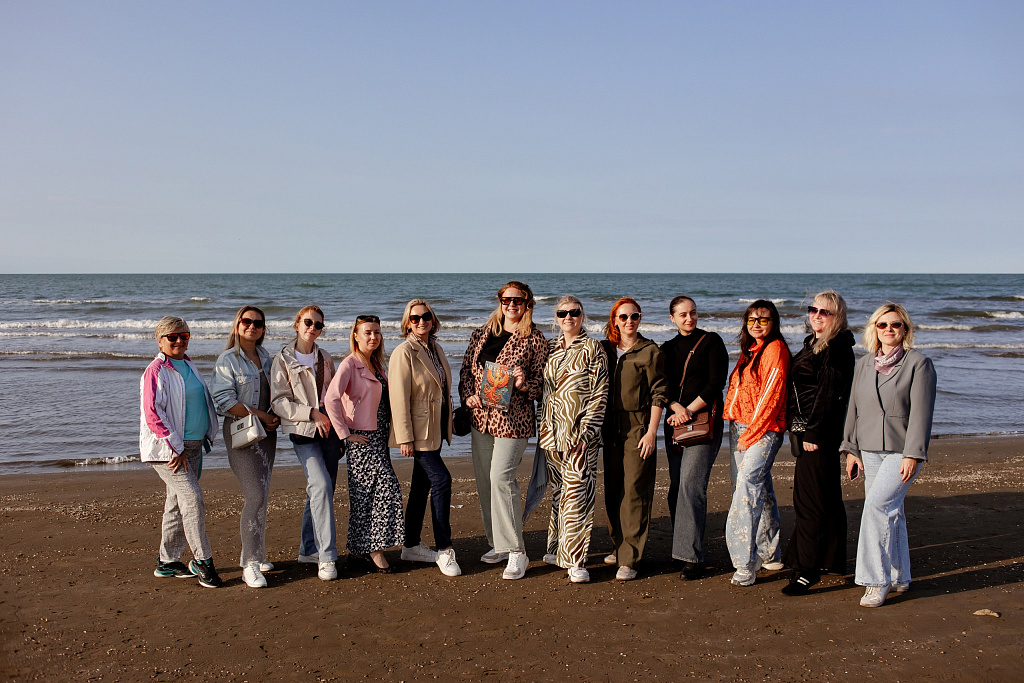
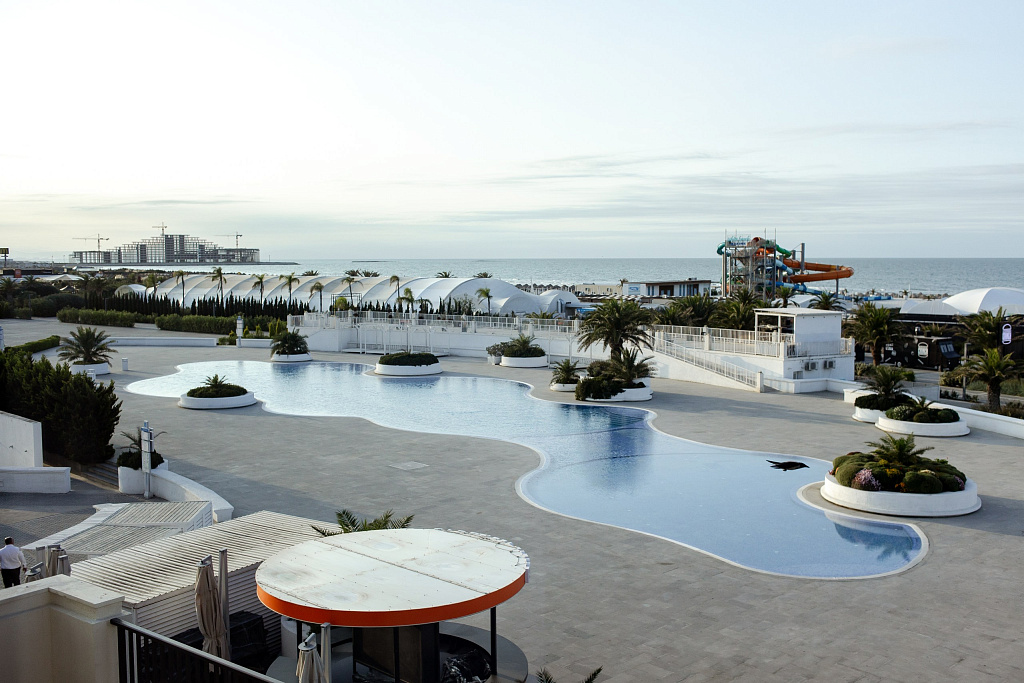
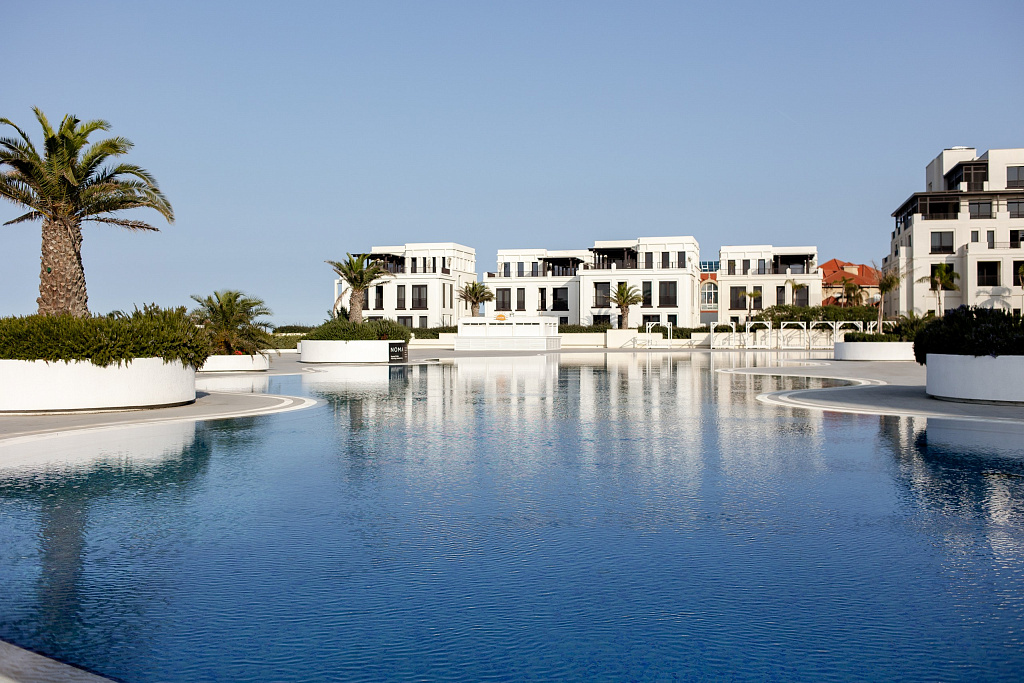
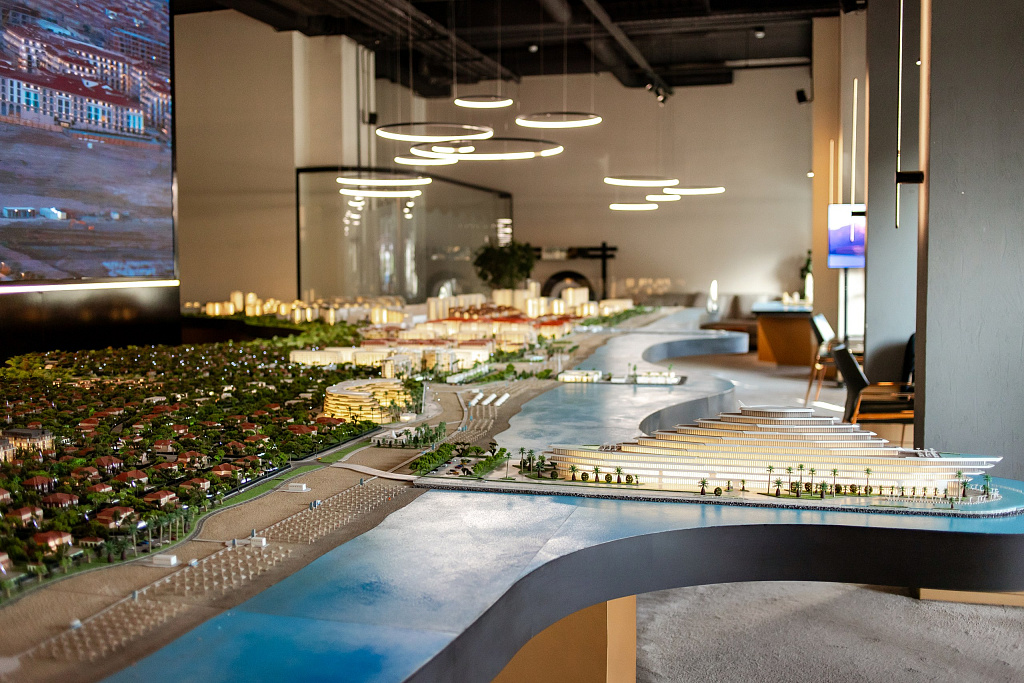
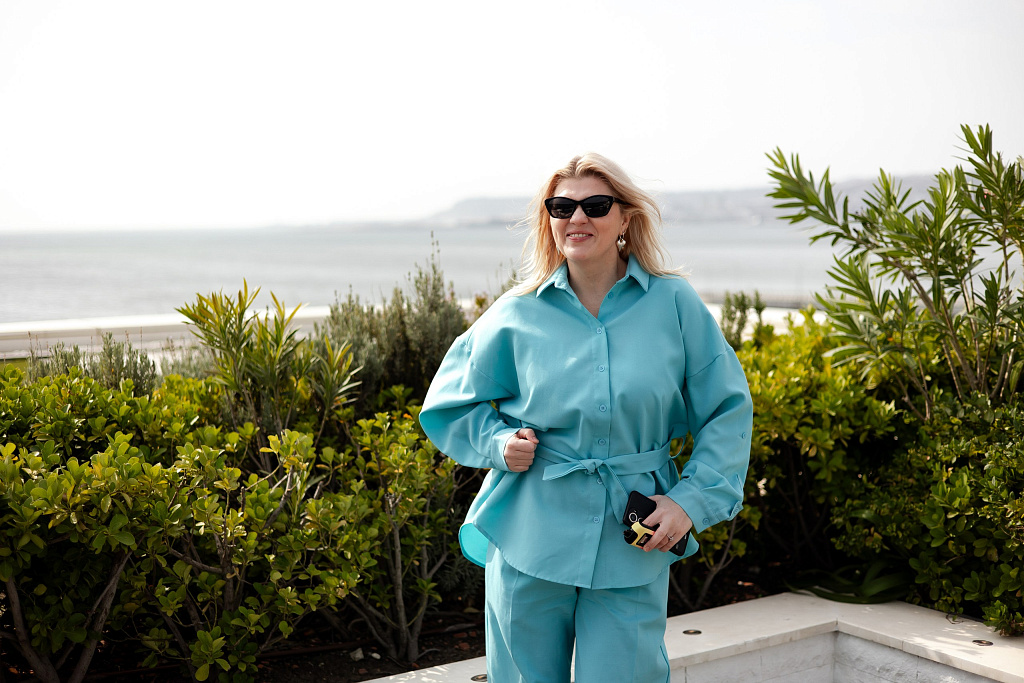
The sustained notes of the bowed kamancha evoke a more expansive landscape: the Caspian coast, where the journey ended with a visit to Sea Breeze Resort. After lunch, the group toured the resort and explored its facilities.
For participants, combining Baku with the mountains revealed a different side of Azerbaijan. For an incentive trip, the appeal lies in bringing these settings together. A programme might begin with meetings and a cultural evening in Baku, continue with a regional journey and end by the sea. The result is a change of pace and scenery that gives participants time to connect beyond the formal agenda.
Azerbaijan’s accessibility supports that idea. In summer 2026, nearly 40 airlines operated scheduled services from Heydar Aliyev International Airport, connecting
Baku with cities across Europe, Türkiye, the Middle East and Asia.
Between January and September 2026, Azerbaijan recorded 1.83 million arrivals of foreign citizens from 191 countries; 73.5% arrived by air. Baku’s accommodation capacity is also substantial: in 2025, the city had more than 15,600 rooms in hotels and similar establishments.
Like the instruments in an ensemble, the city, mountains and coast each have a distinct voice. Brought together, they make a richer programme — and give participants more than one way to remember the journey.

Another publications
Hong Kong: A City That Works as an Event
Five days in Hong Kong feel like a separate reality. Here, neon signs reflect in the water of the "pearl" Victoria Harbour, retro trams pass by glass skyscrapers, and a business meeting can be followed by a tea ceremony at a monastery or a traditional jong boat with red sails.
ITB China 2026 Concludes Successfully with more than 23,500 Attendees
The three-day event recorded continued year-on-year growth, welcoming more than 23,500 attendees. A total of over 44,000 high-value business meetings were facilitated during the show, highlighting China’s continued appeal and strong growth momentum in global travel industry cooperation.
What if…? When the Unexpected Becomes Part of the Job
In the world of events and destination management, every project begins with a carefully designed plan. But anyone who has spent enough time in this industry knows that success is not defined only by what goes according to plan — it is often defined by what happens when things do not.