

Hong Kong: A City That Works as an Event
Five days in Hong Kong feel like a separate reality. Here, neon signs reflect in the water of the "pearl" Victoria Harbour, retro trams pass by glass skyscrapers, and a business meeting can be followed by a tea ceremony at a monastery or a traditional jong boat with red sails.
The Business Community MICE&more residents' fam tour, organized in collaboration with the Hong Kong Tourism Board and DMC Inno Travel, was not just a destination inspection, but a full-fledged immersion in the city, which is increasingly positioning itself as one of the key MICE hubs in Asia.
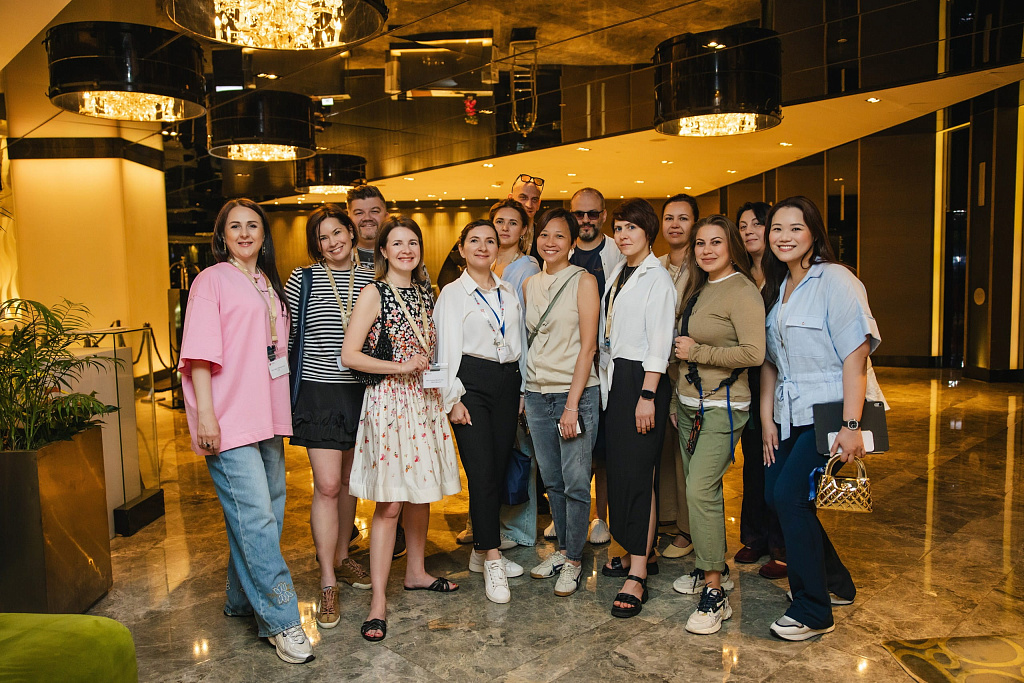
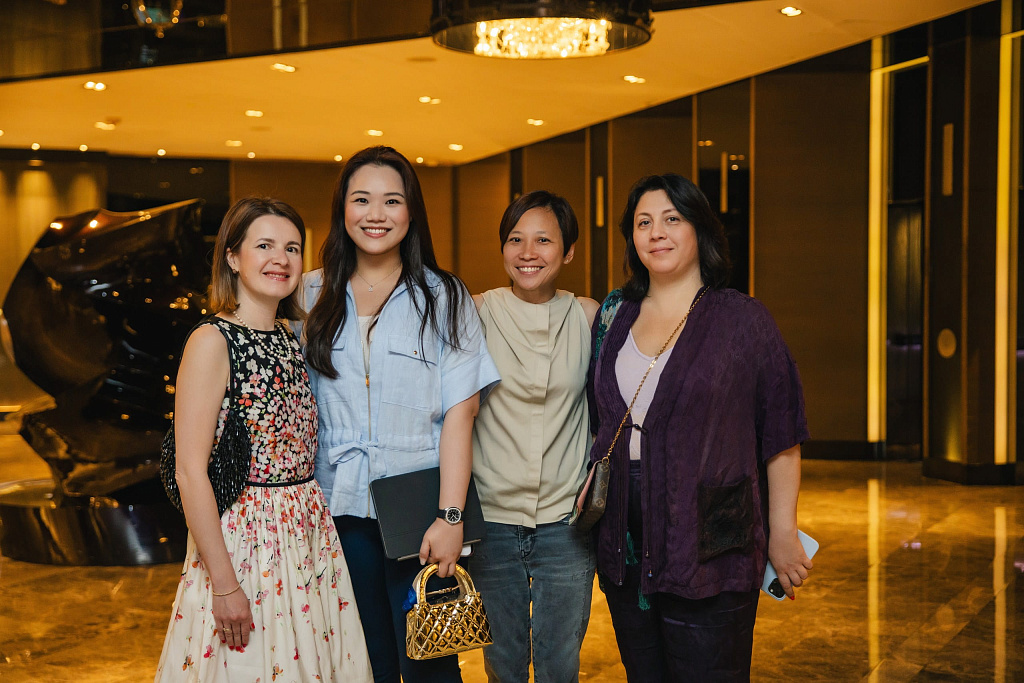
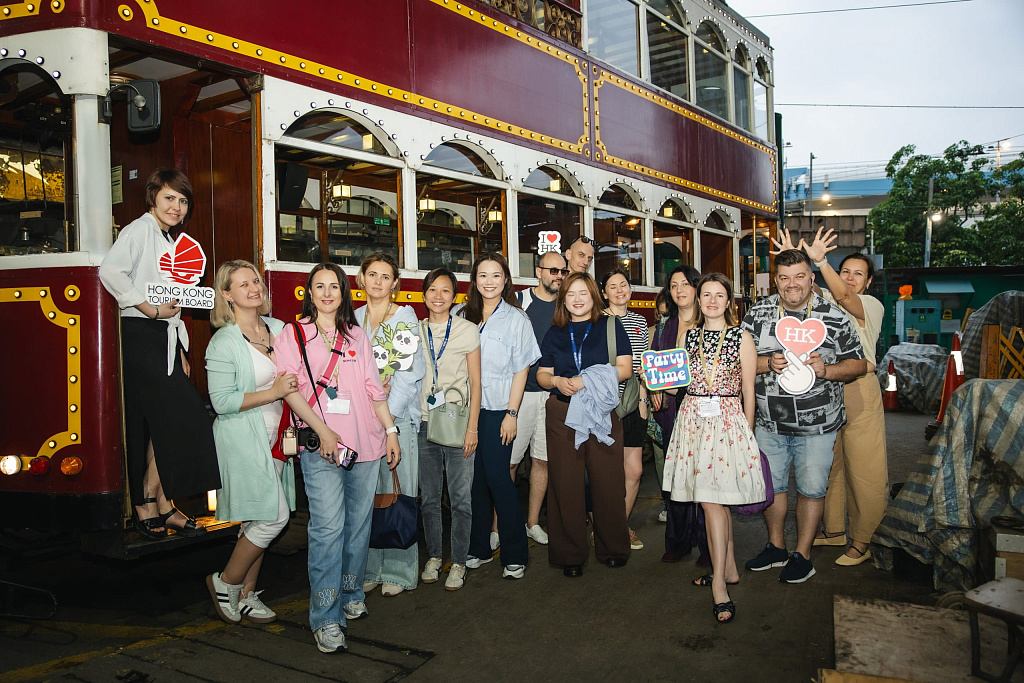
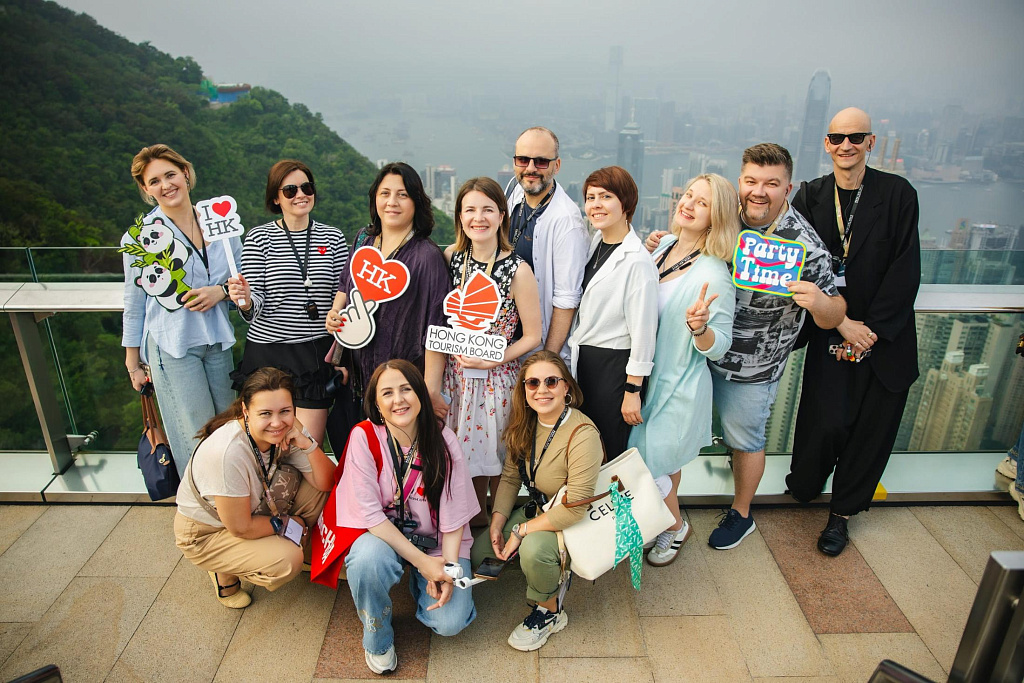
Day one. At an altitude of 428 meters
The introduction to Hong Kong for the trip participants began almost cinematically - with a panorama of Victoria Harbour at lunch at the Serenade restaurant, located in the Tsim Sha Tsui cultural center. Already here it became clear: in Hong Kong gastronomy is not an accompaniment to the program, but an important part of the route.
The Mira Hong Kong - a designer lifestyle hotel of the Design Hotels chain in the center of Kowloon became the base for the first days of the journey. For the MICE segment, this is practically a ready-made constructor: modern design, a strong gastronomic component, event spaces for up to 800 guests with a buffet (including panoramic views), and one of the most convenient locations in the city.
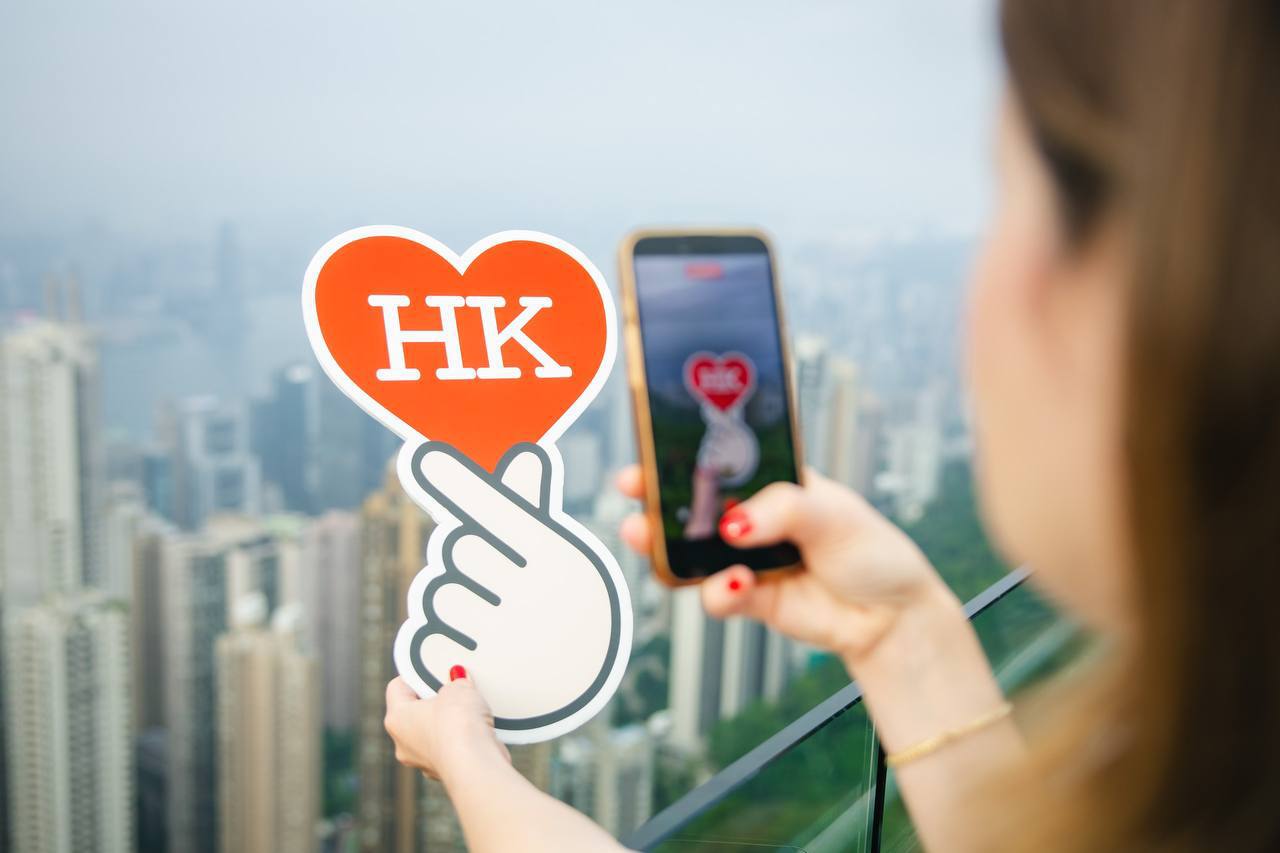
The real emotional start of the journey took place in the evening, on the Peak Tram, Asia's oldest funicular, which takes guests to Victoria Peak in just a few minutes.
Sky Terrace 428 is one of those venues where the city is revealed in its entirety: skyscrapers, the sea, green slopes, and dense urbanism all come together in a single panorama. Madame Tussaud's Museum is also located here. What's particularly important for organizers is that the venue and the funicular itself are available for full rental for corporate groups and evening events.
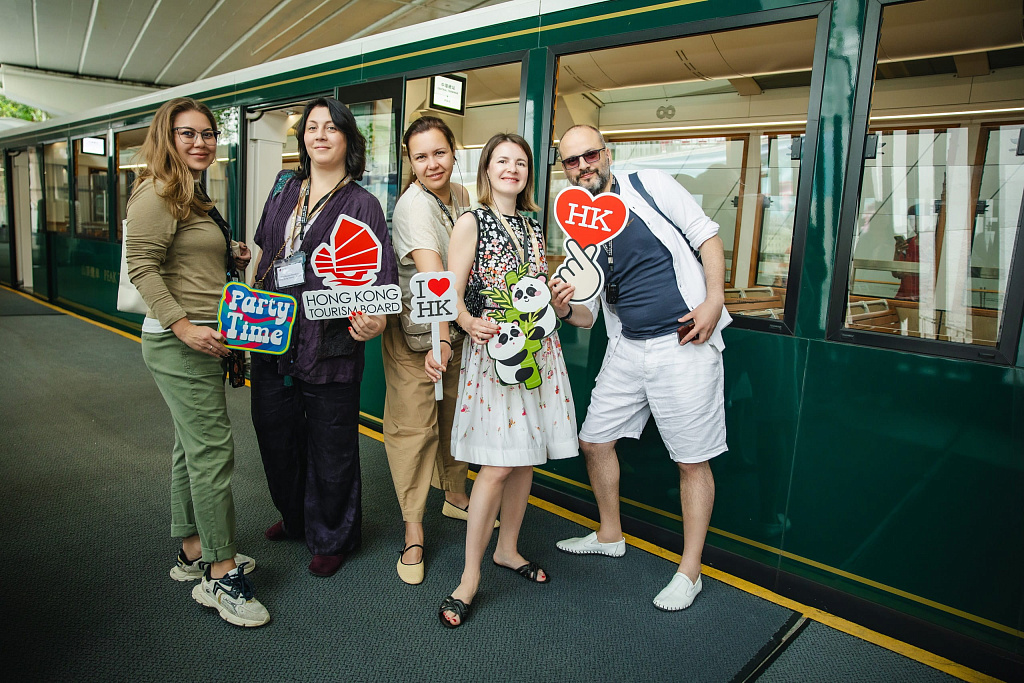
The Party Tram, a two-story retro tram transformed into a mobile event space, provided an impressive continuation of the experience. The lower floor is for gastronomy and networking, while the upper floor features an open deck with a panoramic view of the city at night. This is where Hong Kong first demonstrated its unique feature: it is not divided into "tourist" and "business" areas. The city itself acts as a ready-made stage for events.
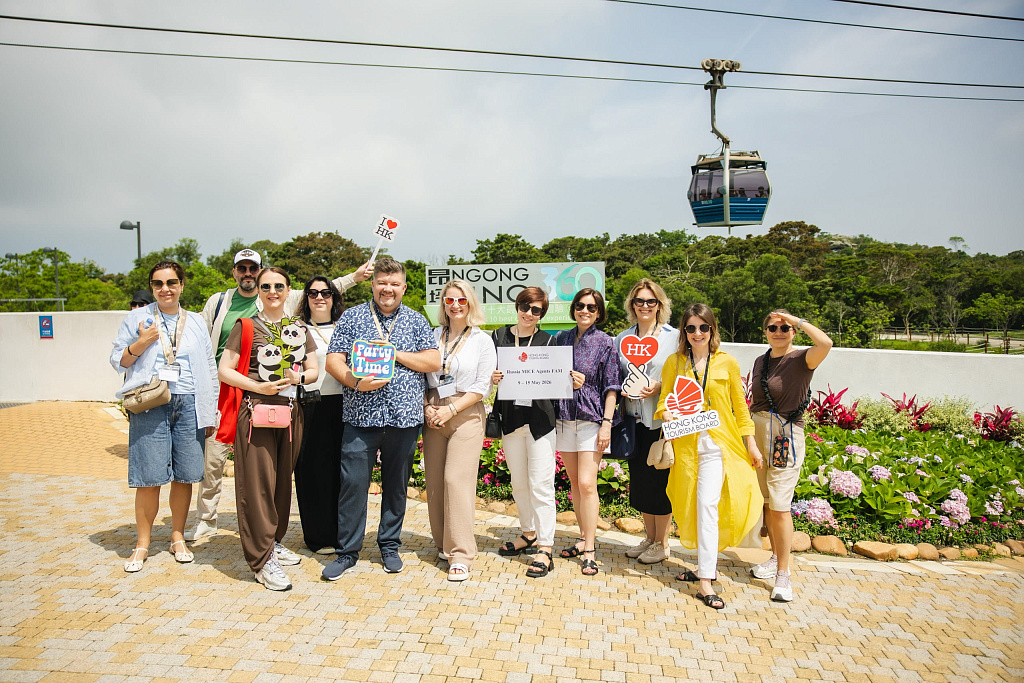
Day two. Between the Buddha and the red sails
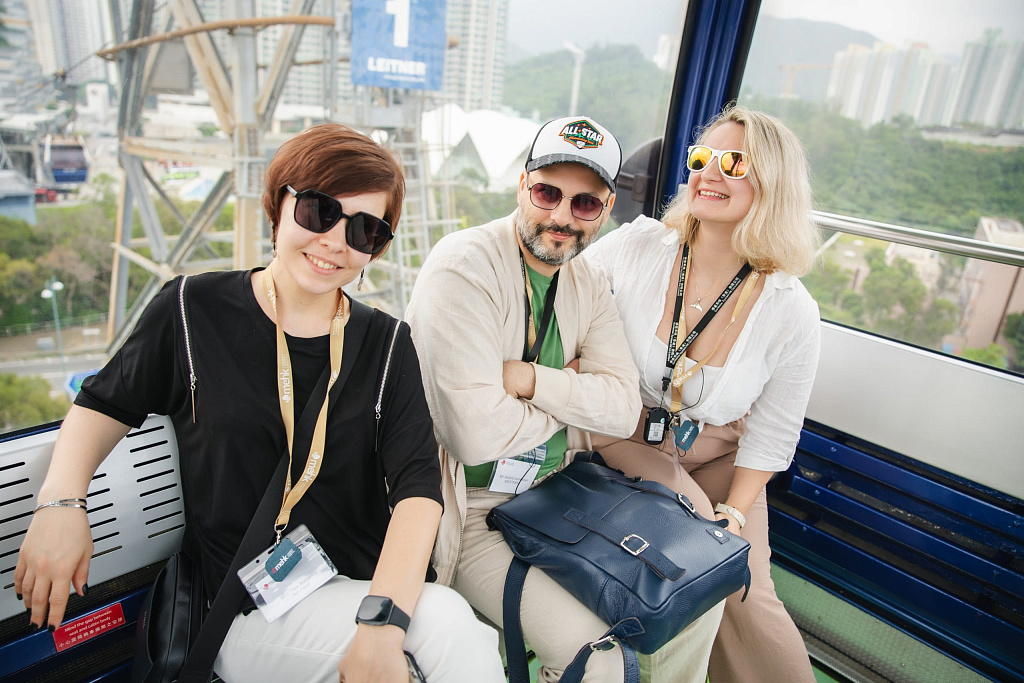
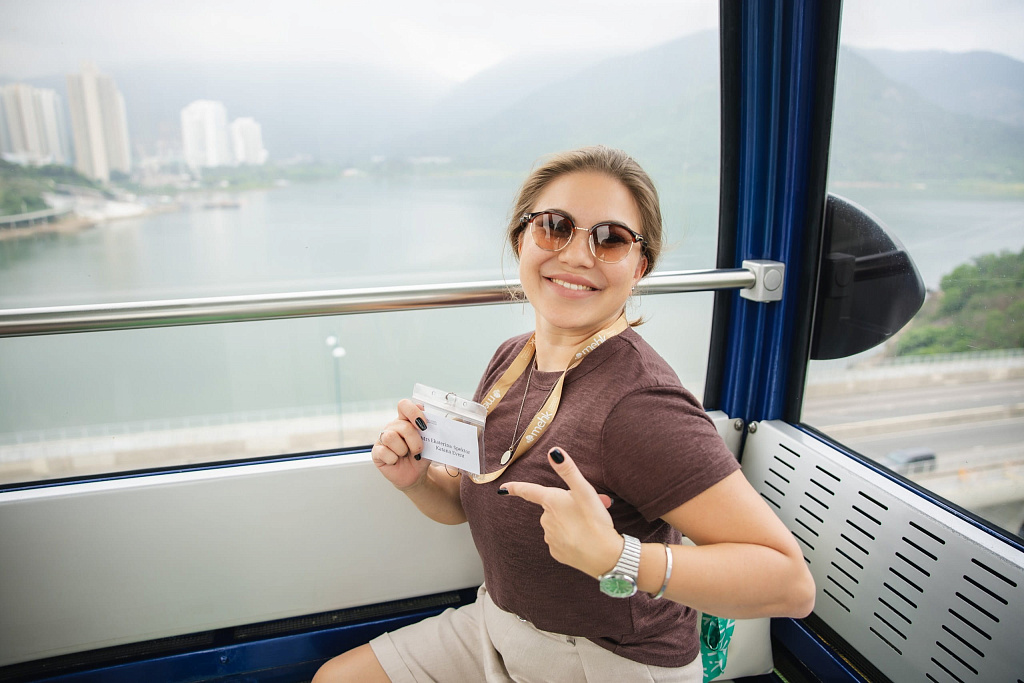
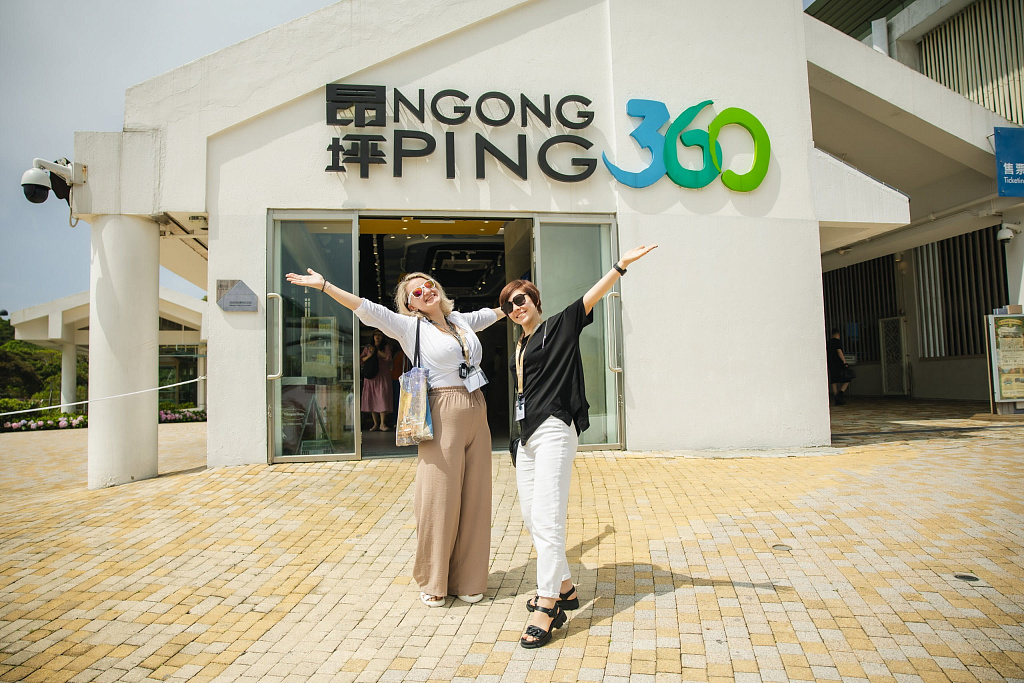
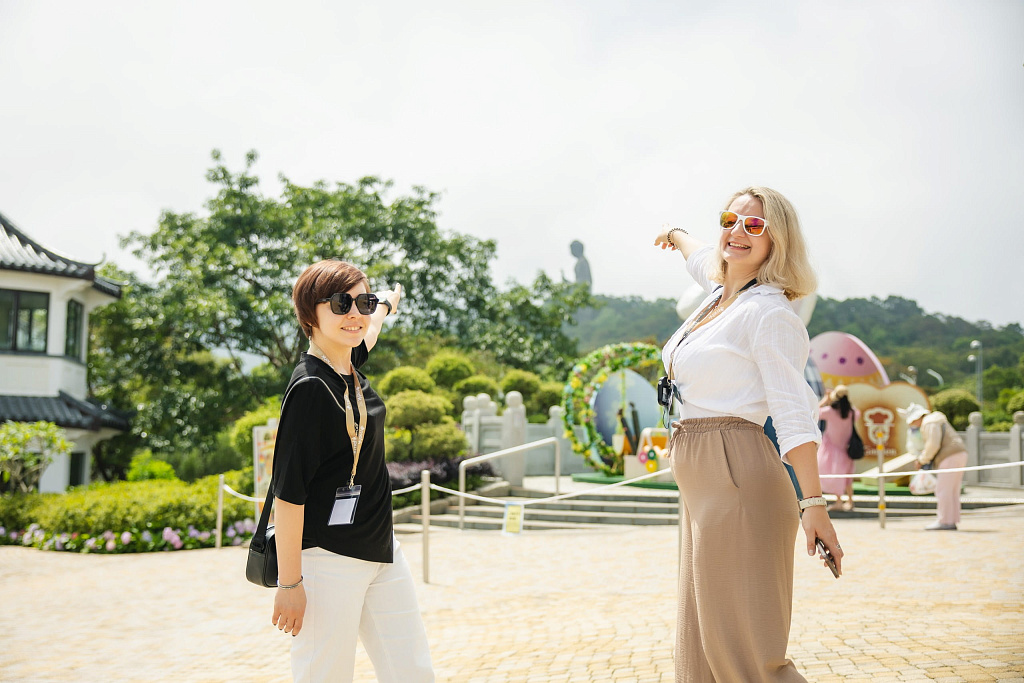
The next day, the rhythm of the city changed dramatically. The Ngong Ping 360 cable car took us from the glass towers to the mountains of Lantau Island, monasteries, and authentic fishing villages. In just a few minutes, Hong Kong transformed from a metropolis into a space of almost meditative tranquility.
One of the key points on the route was the revered Po Lin Monastery and the famous Big Buddha.
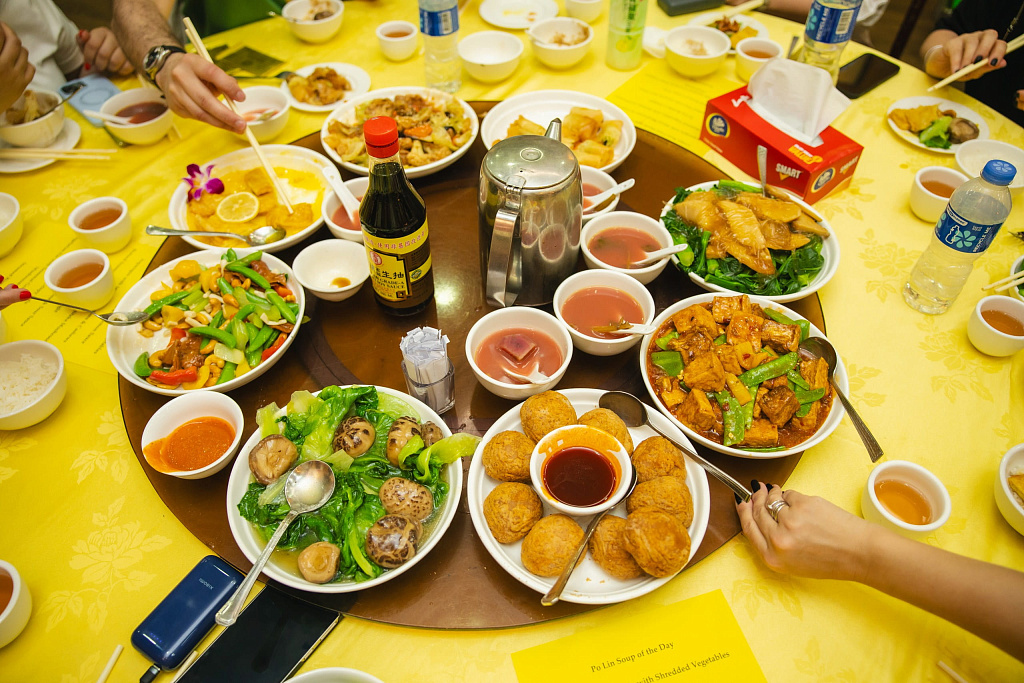
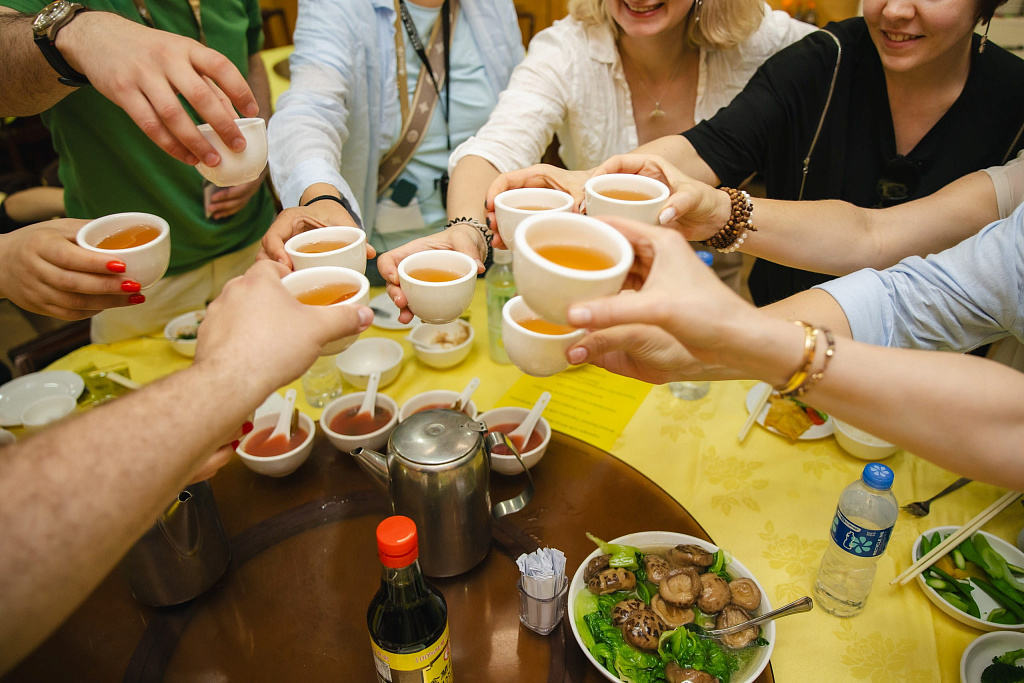
The monastery's vegetarian lunch left a lasting impression. Instead of a formal healthy menu, the group was treated to a gastronomic poetry: "Buddha's Pleasure," Po Lin slow-cooked soup, "Seven Colors" spring rolls, and aromatic taro and peach paste. This experience is particularly valuable for incentive programs, where not only the locations but also the emotional contrasts within the itinerary are crucial.
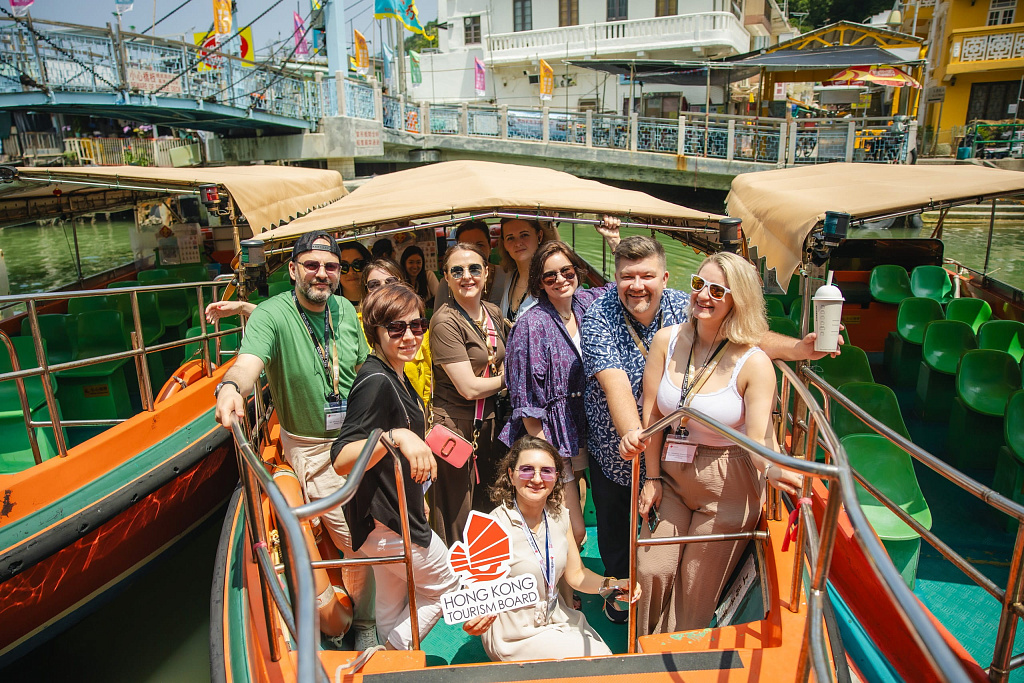
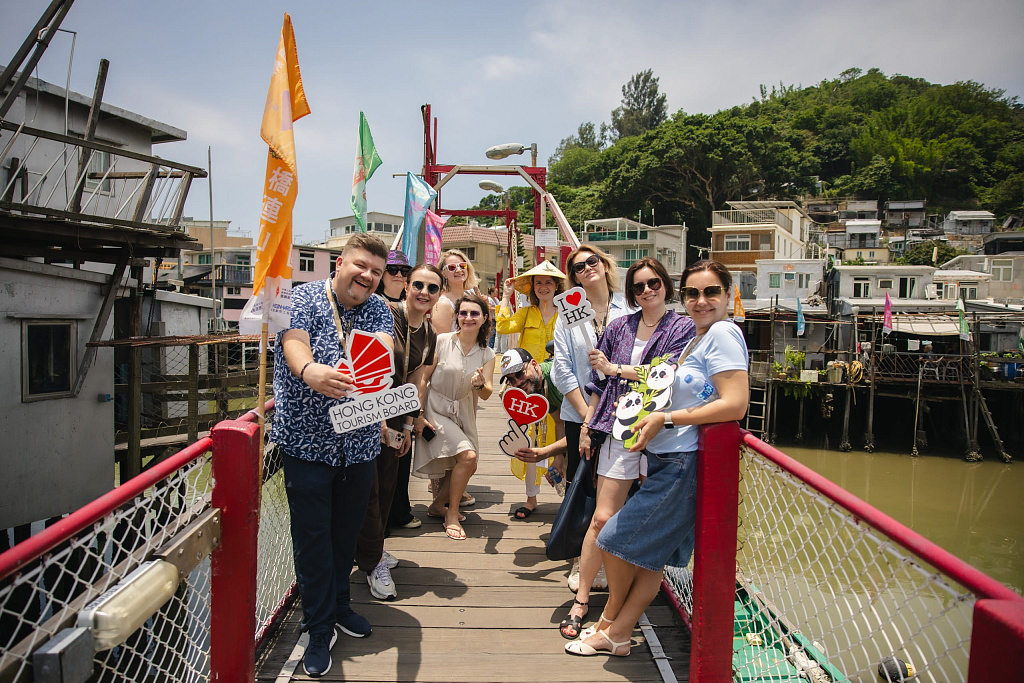
This was followed by a refreshing boat ride along the picturesque fishing village of Tai O, and a short stop at the premium Citygate Outlets for some much-needed shopping.
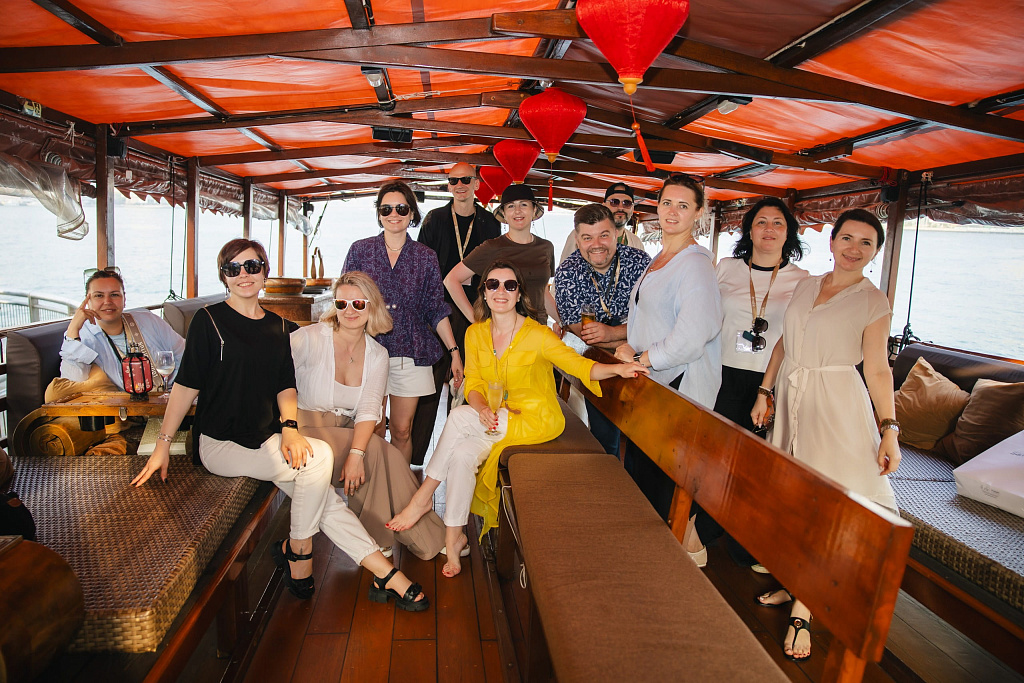
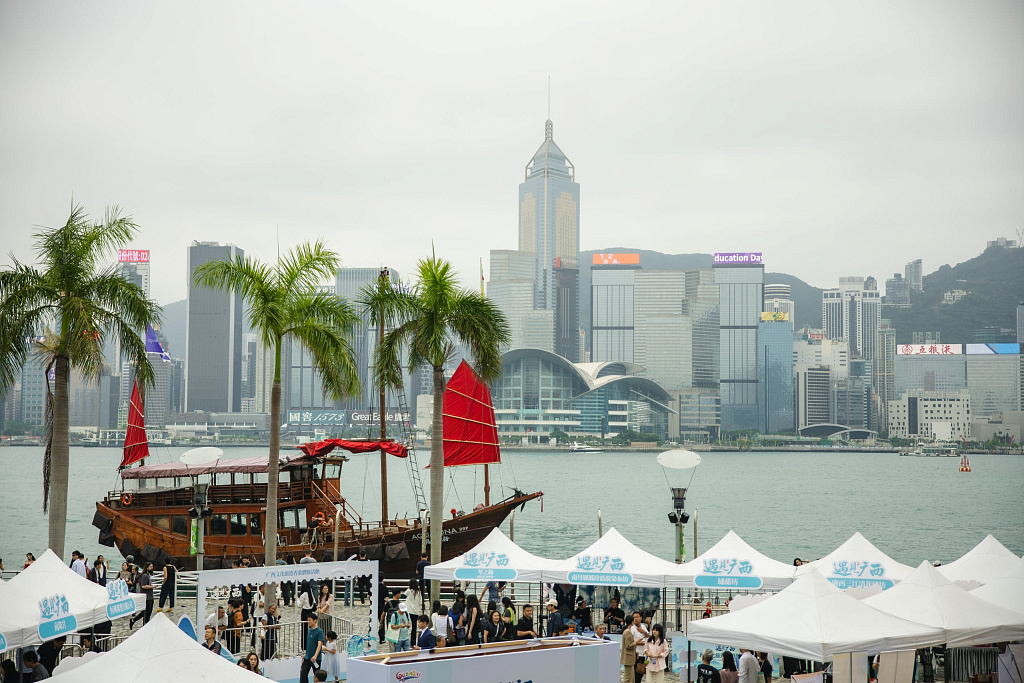
The evening cruise on the legendary Aqua Luna was one of the most photographed moments of the trip. Imagine: a historic Chinese junk with scarlet sails resembling dragon wings slowly passing along the skyline of Hong Kong, turning the city into an almost theatrical setting.
The day ended with a dinner at Aqua Restaurant, a place where Italian and Japanese cuisine meet with one of the best views of Victoria Harbour.
MICE-focus: for MICE groups, this is almost an ideal format for a chamber networking event: full relaxation, open bar, panoramic views and the feeling of “that very Hong Kong” that cannot be artificially assembled.
Day three. Neon as a cultural code
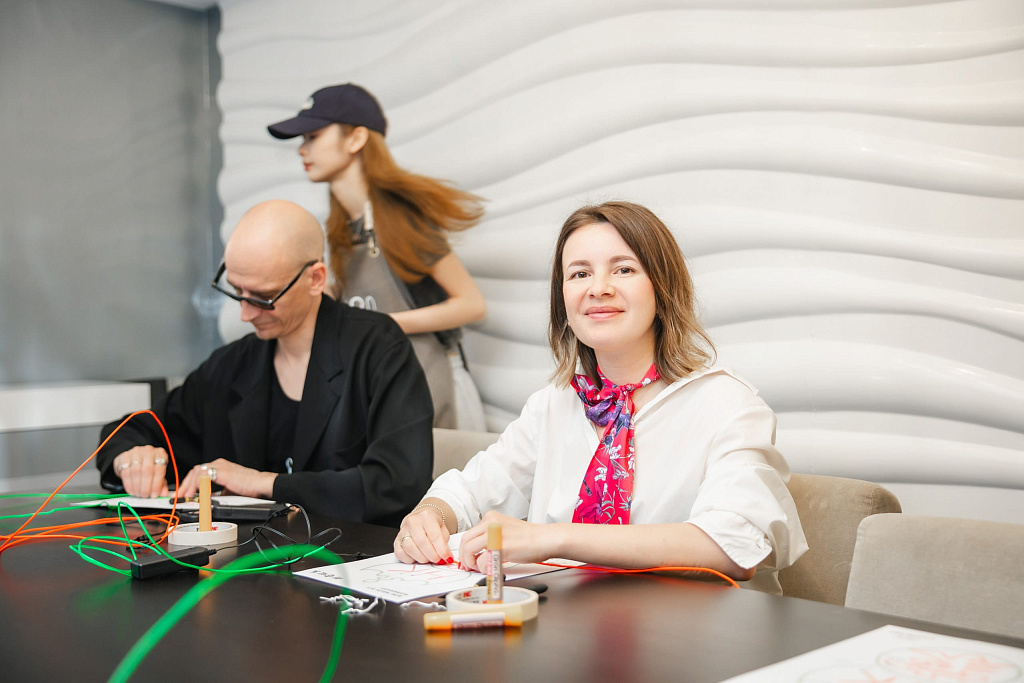
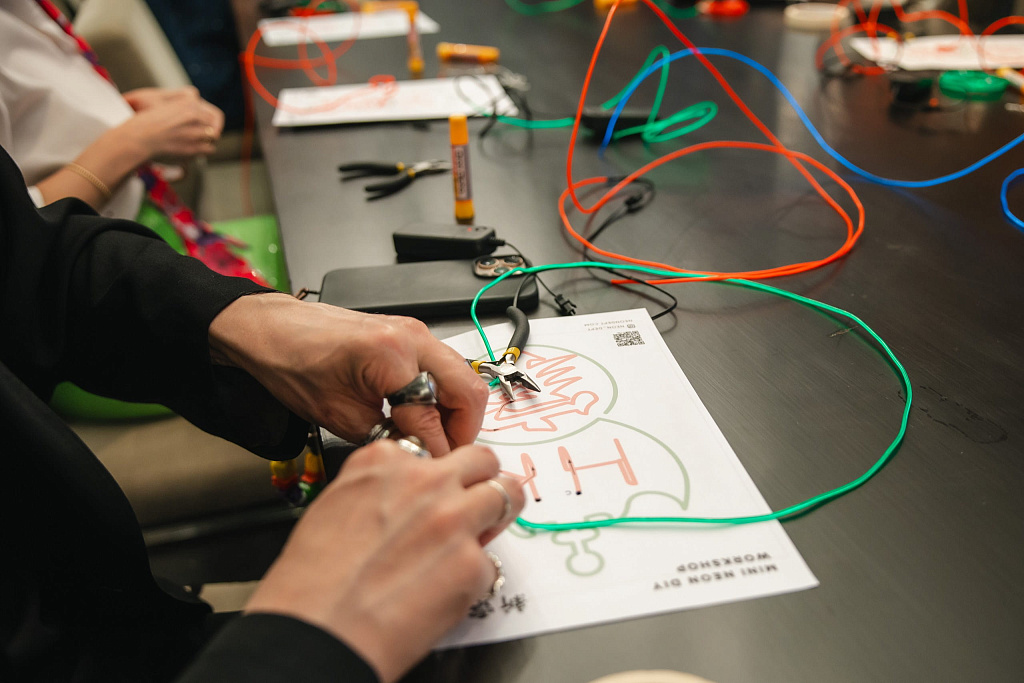
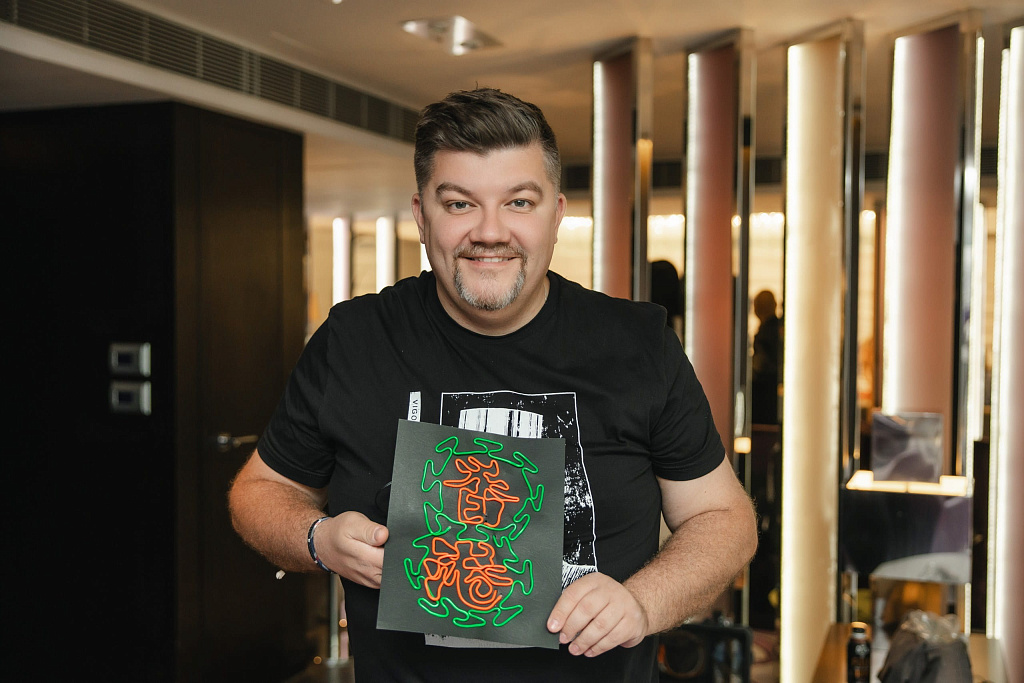
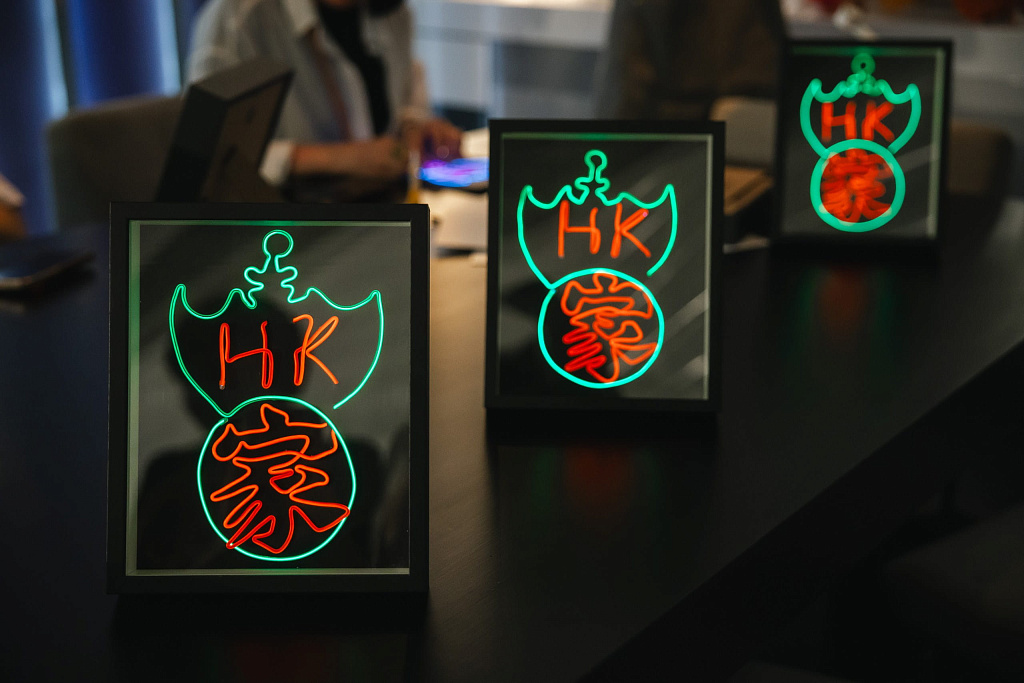
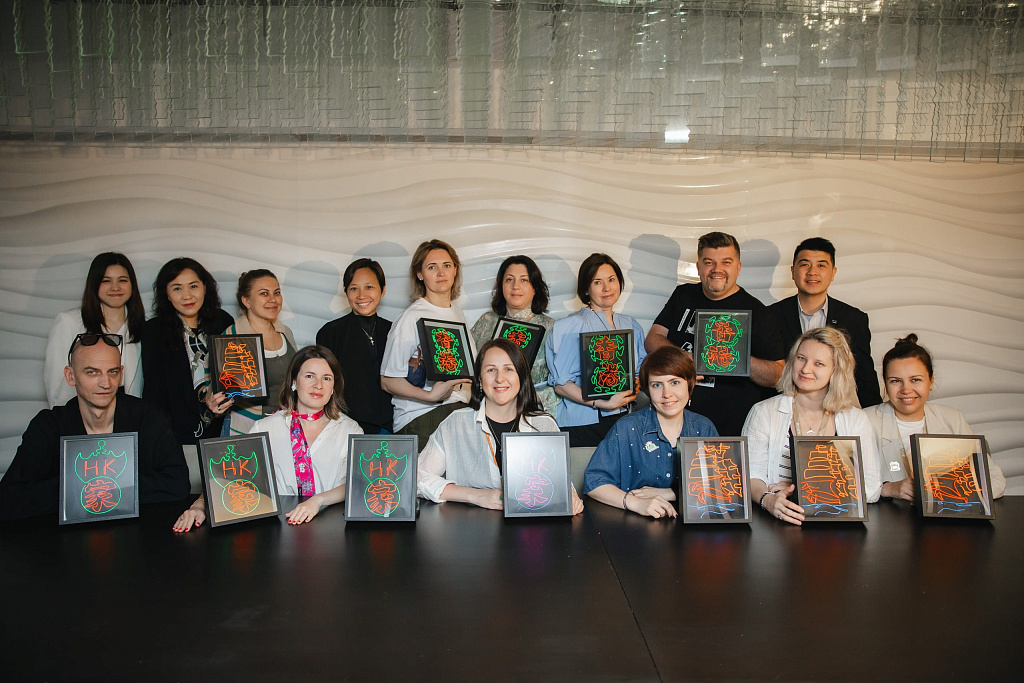
While the first two days showcased the city's grandeur, the third day allowed participants to experience its cultural code firsthand. The morning workshop on creating neon signs at the Grand Mira Suite proved to be one of the most successful incentive activities of the program. Participants created their own neon symbols, ranging from hieroglyphs to personal signs, and took them home as art objects and true symbols of the city.
MICE-focus: For corporate groups, the master class format is easily adaptable to the brand – in the manufacture of souvenirs, the company logo, branded slogans or special visual elements of the event can be used.
After the inspection of The Mira Hong Kong hotel, the group was invited to dim sum lunch at the hotel’s Cantonese cuisine restaurant Cuisine Cuisine, which has been awarded Michelin stars for 13 years in a row. Even the menu here works as storytelling: dim sum with edible gold, Iberico pork with caviar, Sichuan noodles dan dan.
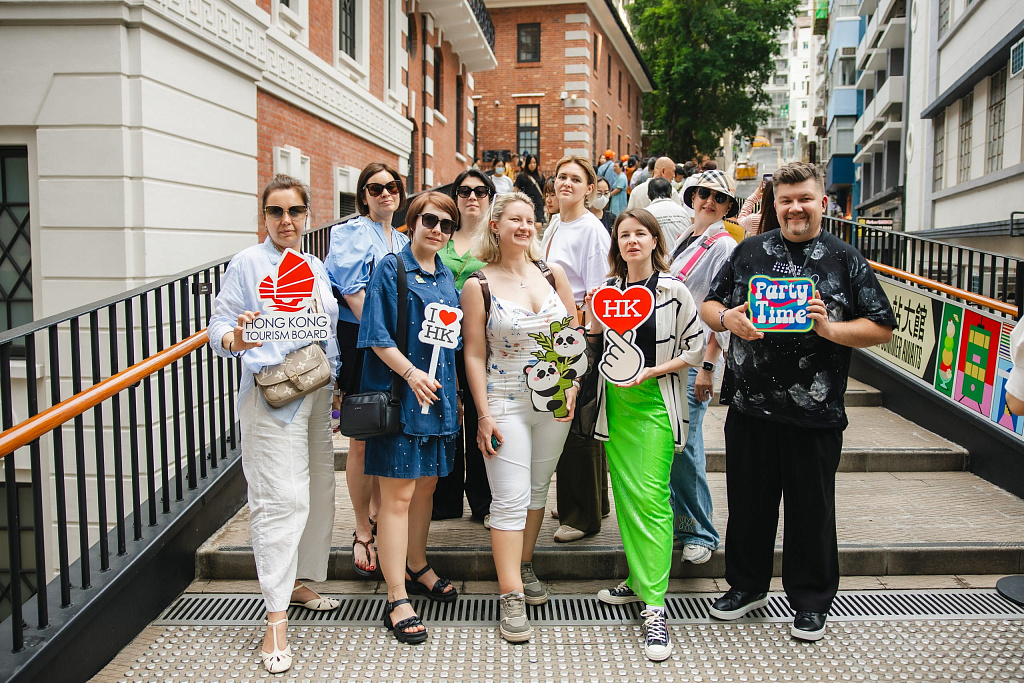
In the afternoon, the group went on a fascinating walking tour of the city center and ended up in one of the Taoist temples, where everyone went through a traditional wish-making ceremony with golden leaves. Hong Kong is constantly balancing between the concept of a hyper-modern city and a very deep local culture. It is this contrast that makes the destination particularly strong for the incentive segment.
In the evening, the group was welcomed at Peking Garden, a restaurant where the preparation of Peking duck is transformed into a full-fledged gastronomic performance. Later, on the rooftop of the AOAO nightclub, surrounded by neon signs and glass towers in the Central district.
MICE-focus: specifically for our group, a welcome projection in Russian appeared on a nearby skyscraper – “Welcome!”. This caused absolute delight and a feeling of a real personalized reception. It is in such exclusive moments that it is especially noticeable how attentively Hong Kong works with international MICE groups today.
Day four. Art, the racetrack, and networking culture
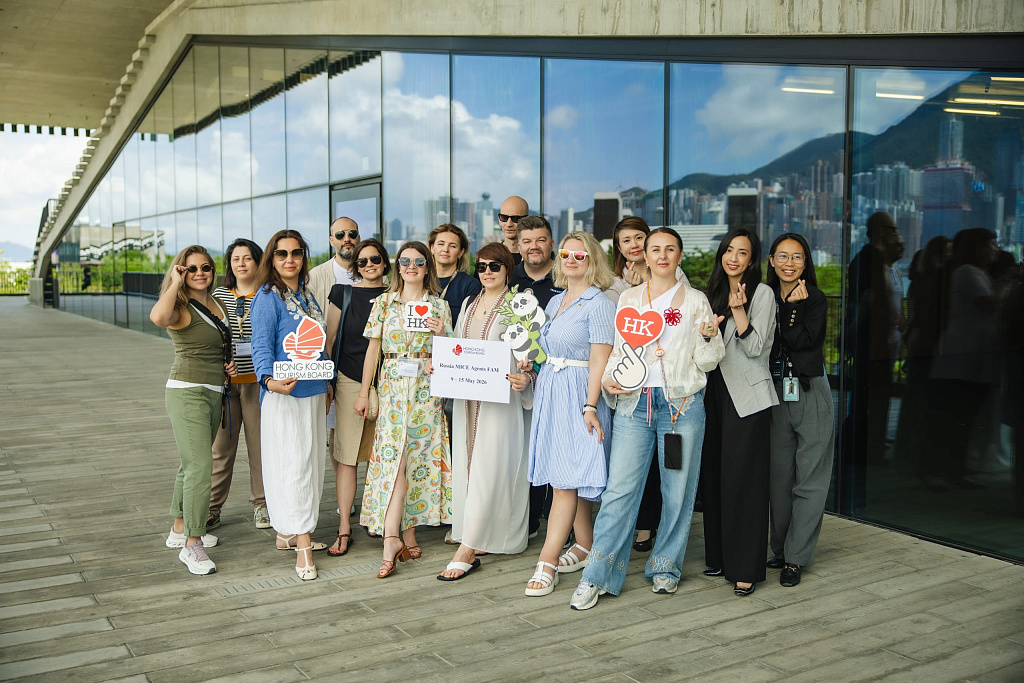
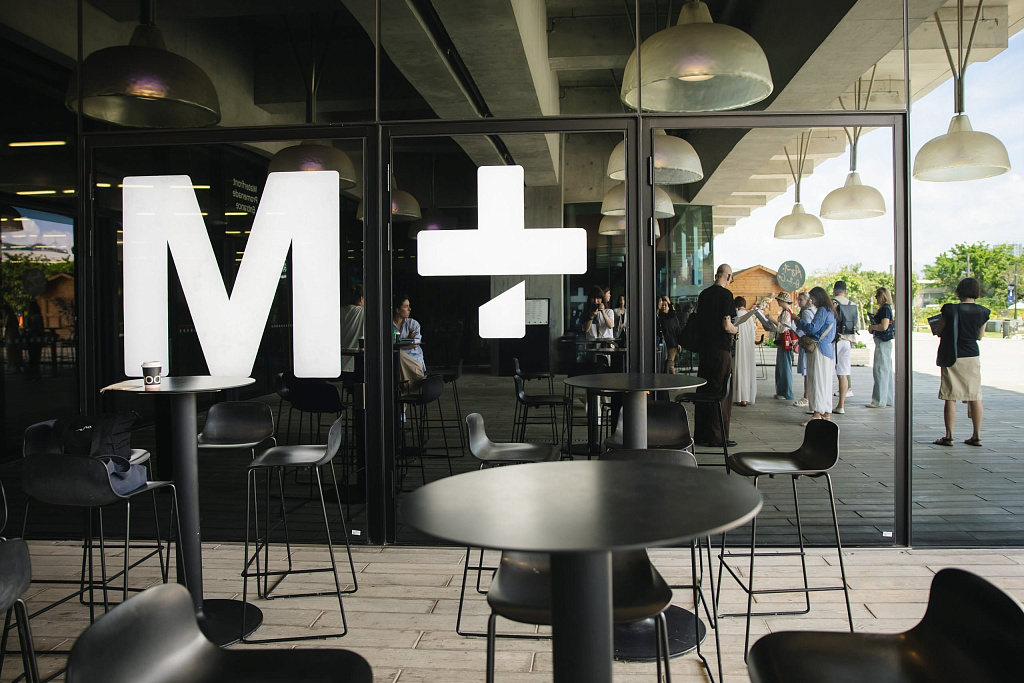
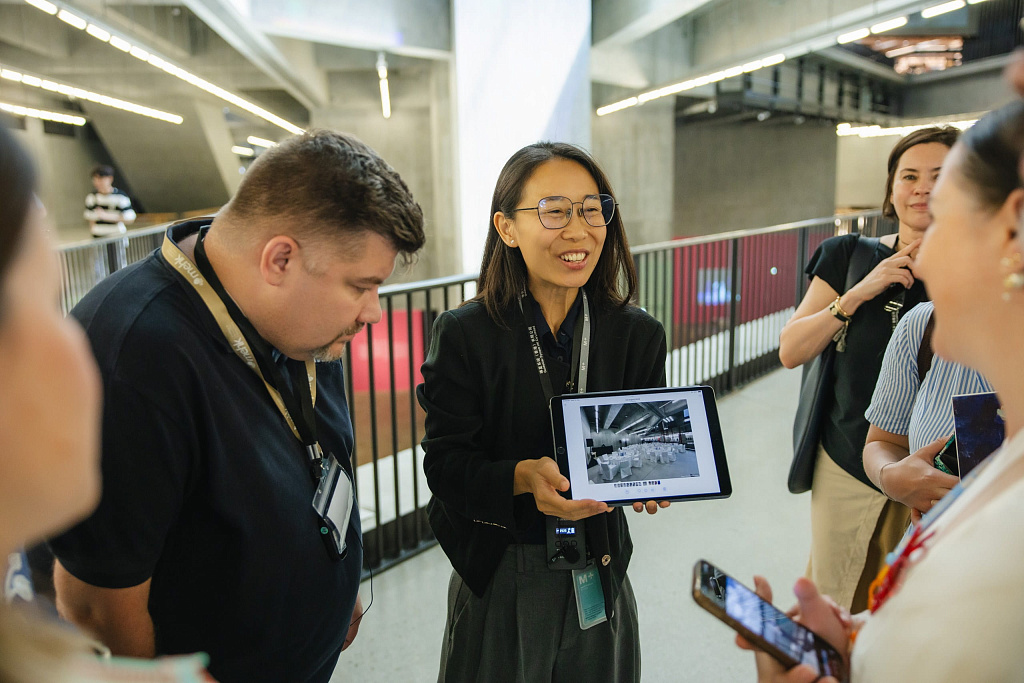
One of the highlights of the day was the M+ Museum, the largest center for contemporary visual culture in Asia. With its harbor views, rooftop garden, adaptive event spaces, and in-house exhibition areas, it is an ideal location for premium events.
It's important to note that in Hong Kong, art spaces are not separate from the business environment; they are already integrated into the city's event economy.
Thanks to the move to the New World Millennium Hong Kong Hotel, the group got acquainted with another accommodation option in Hong Kong — a more classic business luxury format with panoramic views of Victoria Harbour and a strong focus on MICE.
The hotel impresses not with ostentatious luxury, but with thoughtfulness: large event rooms, strong gastronomy, its own wine collection and spacious rooms with full bathrooms and panoramic windows.
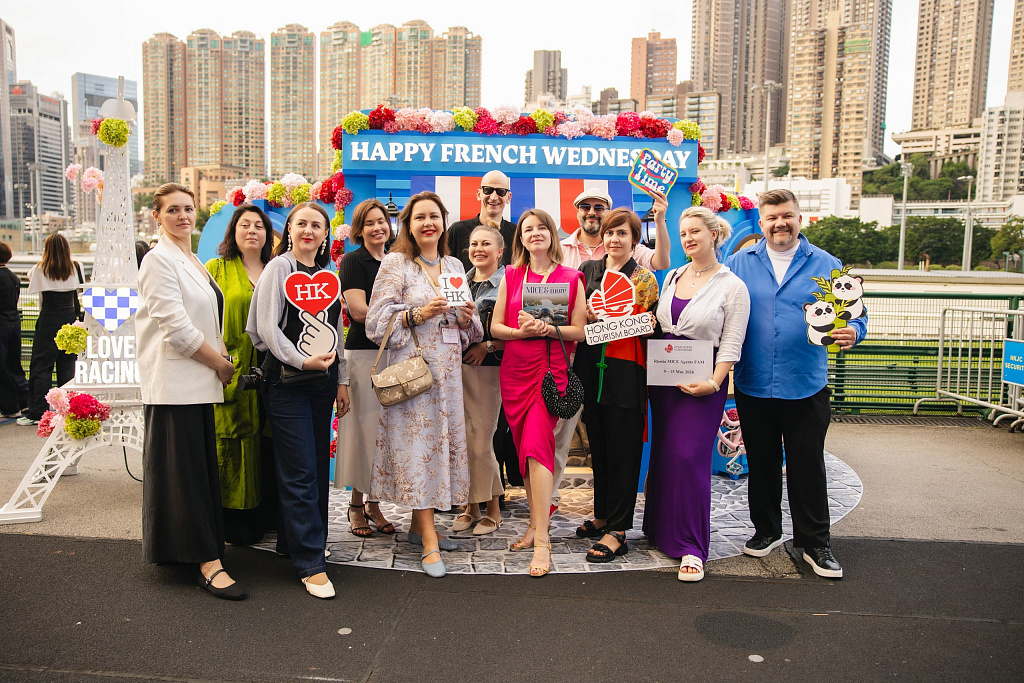
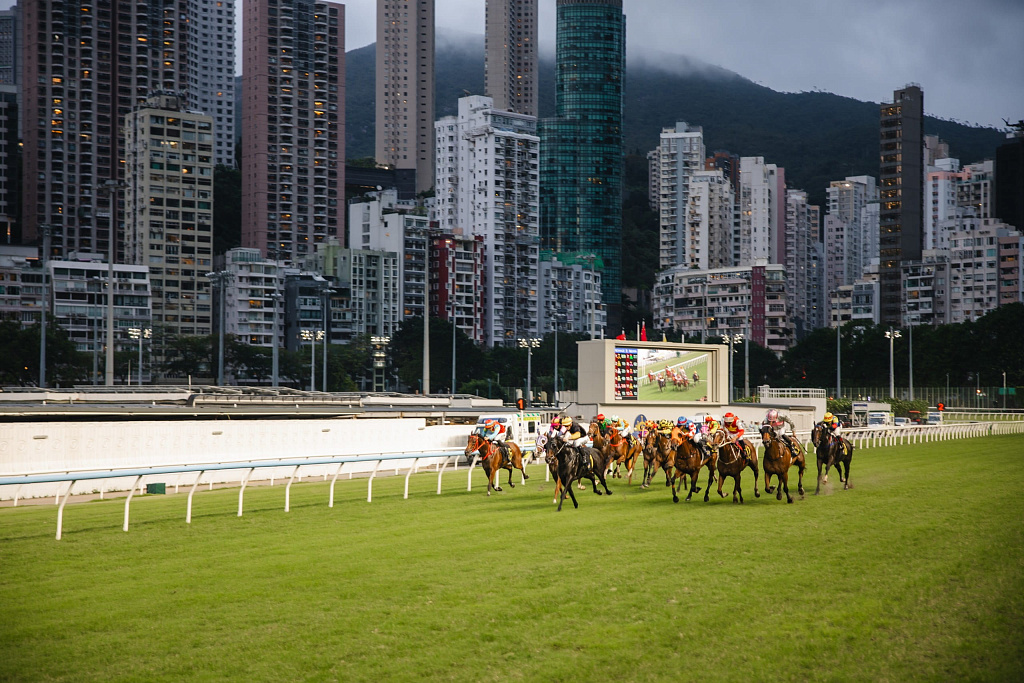
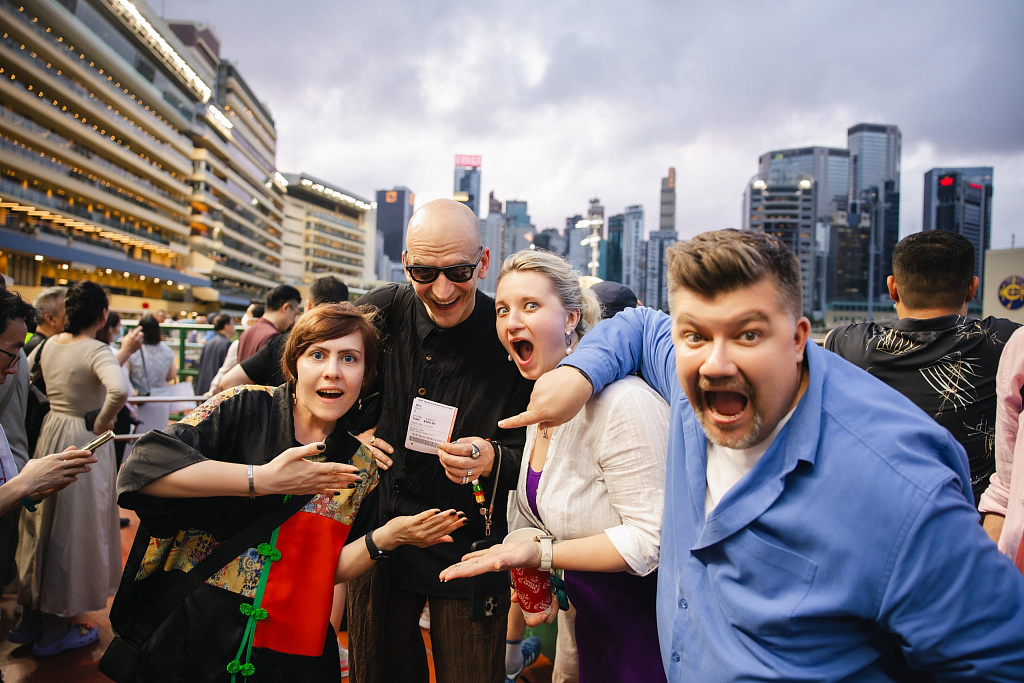
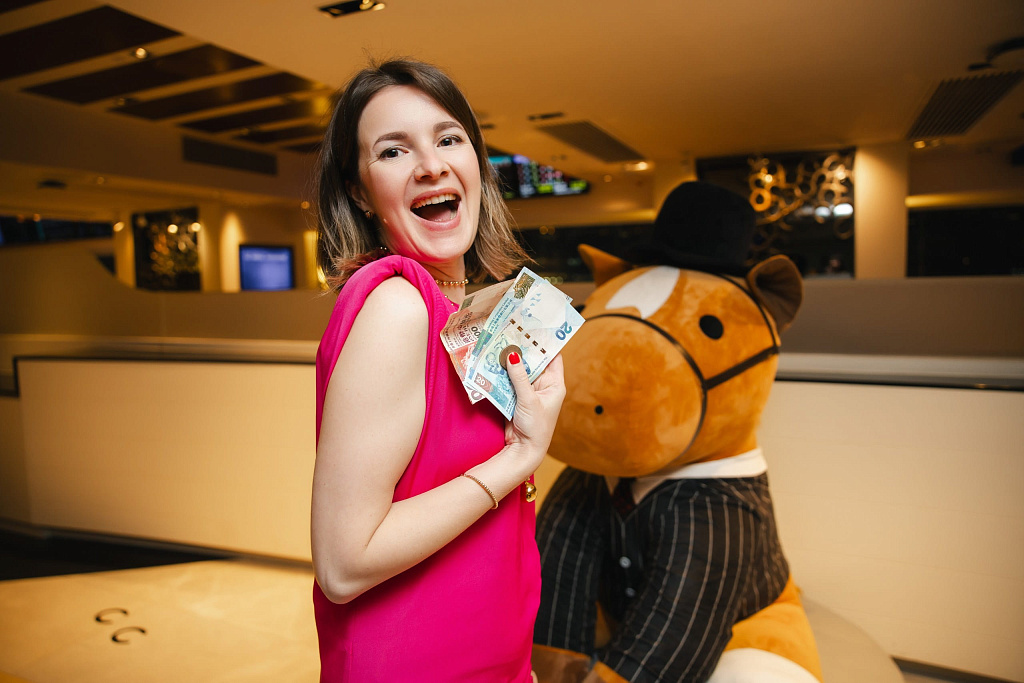
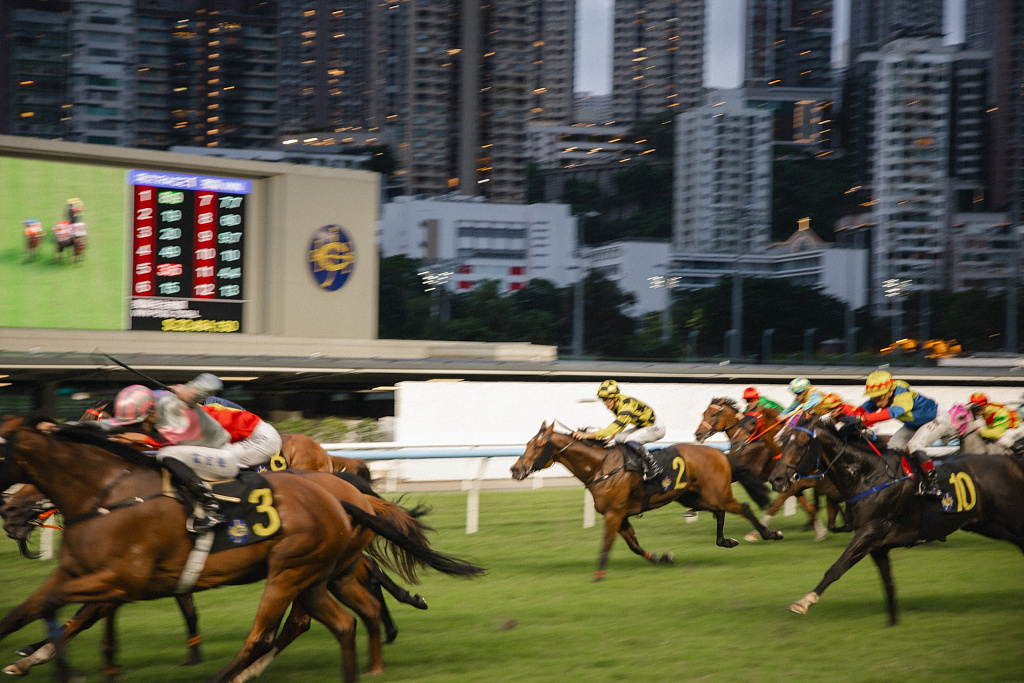
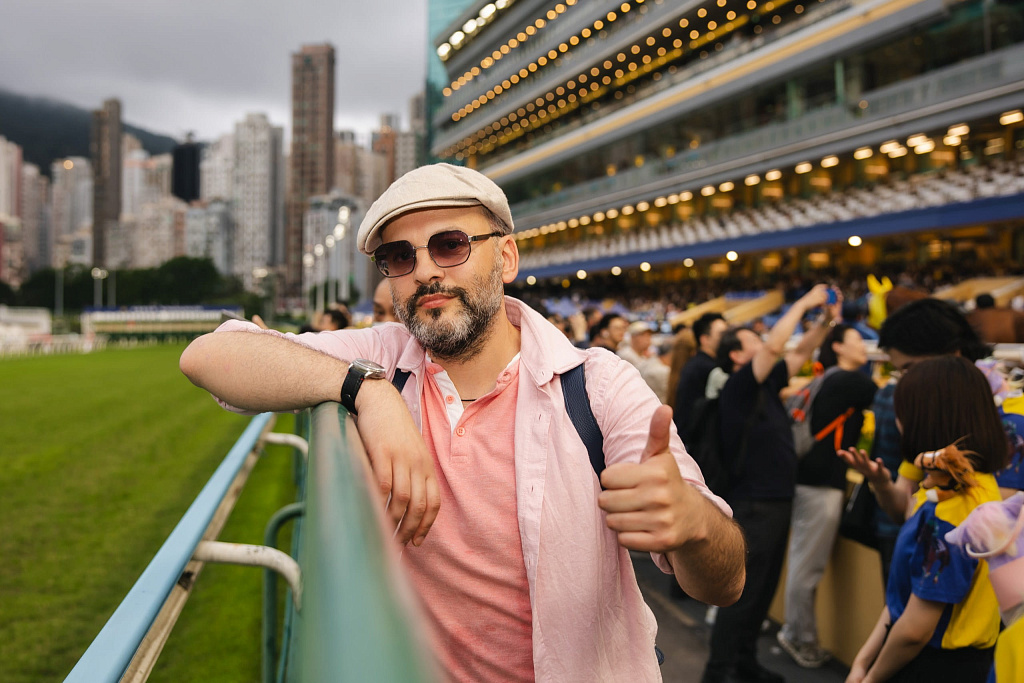
In the evening, one of the most authentic events of the trip awaited the participants – Happy Wednesday at the Happy Valley Racecourse.
Horse racing here is not an entertainment for tourists, but a part of urban culture. With live music, themed parties, betting, gastronomy and thousands of people who turn an ordinary environment into a huge social event. This is a spectacular and absolutely Hong Kong experience.
MICE-focus: for the organizers, this is an almost ready-made incentive scenario with high participant engagement and a very lively networking atmosphere. The MICE&more group named horse racing the top of the program.
Day 5. Pandas, Gin, and Hong Kong's New Strategy
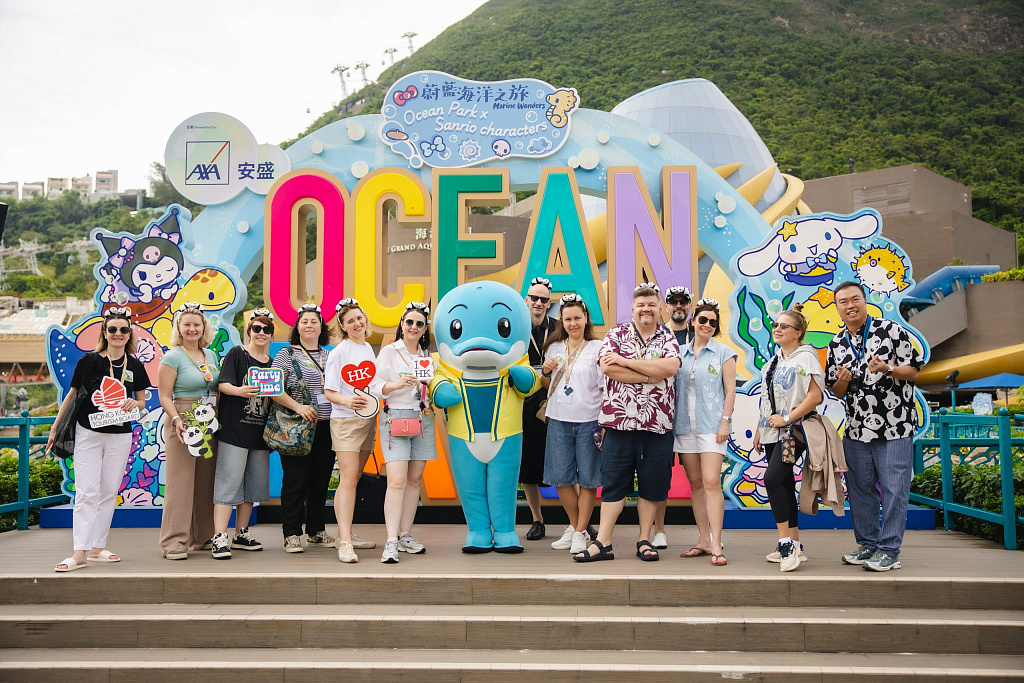
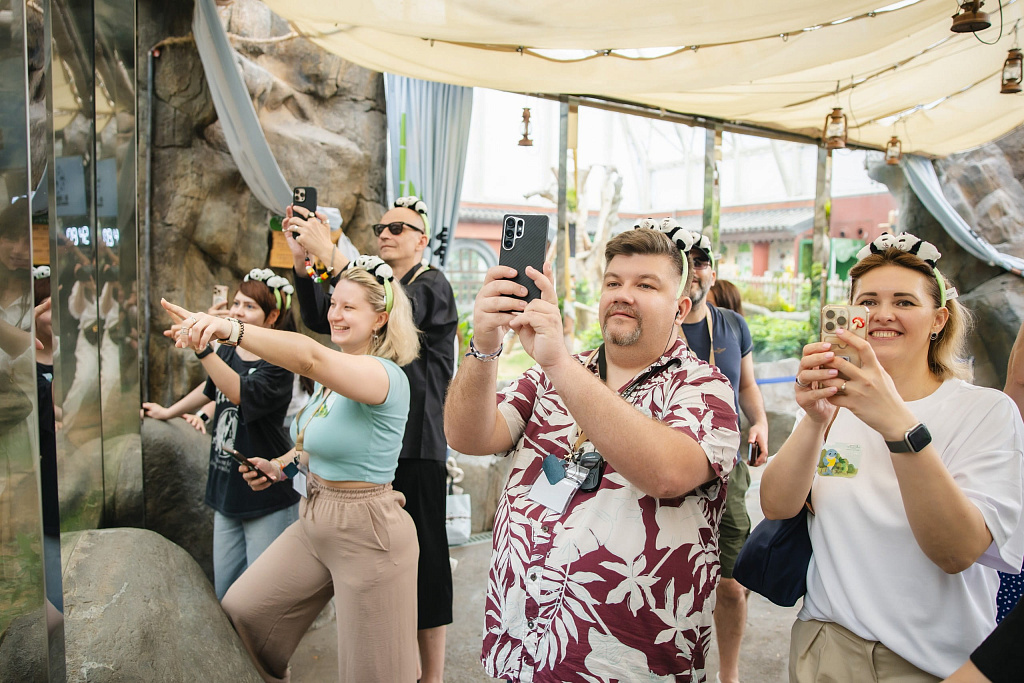
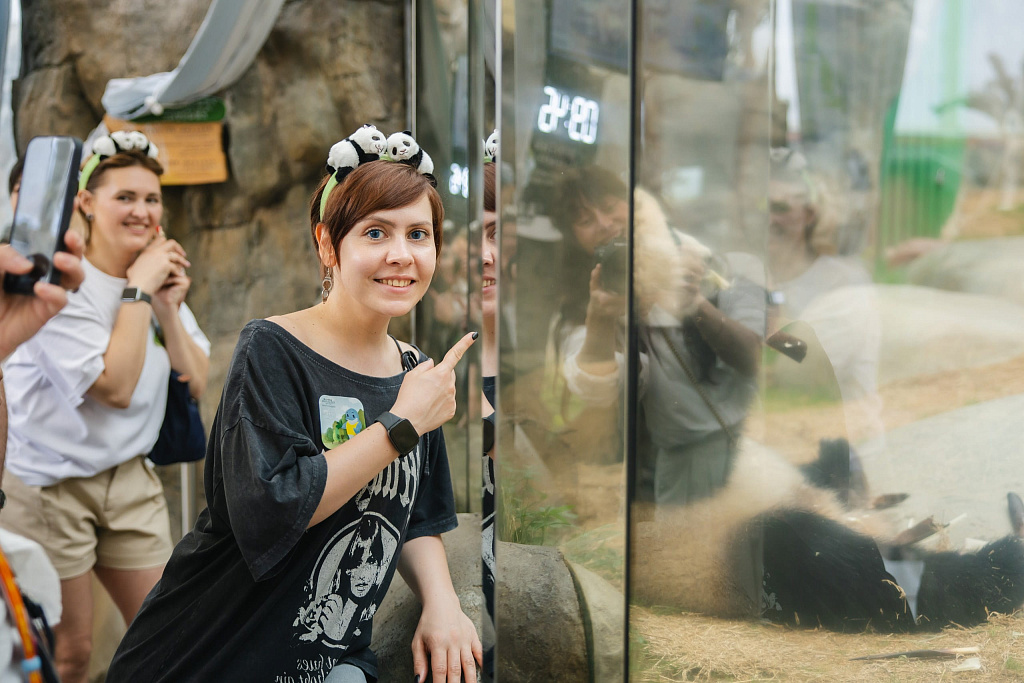
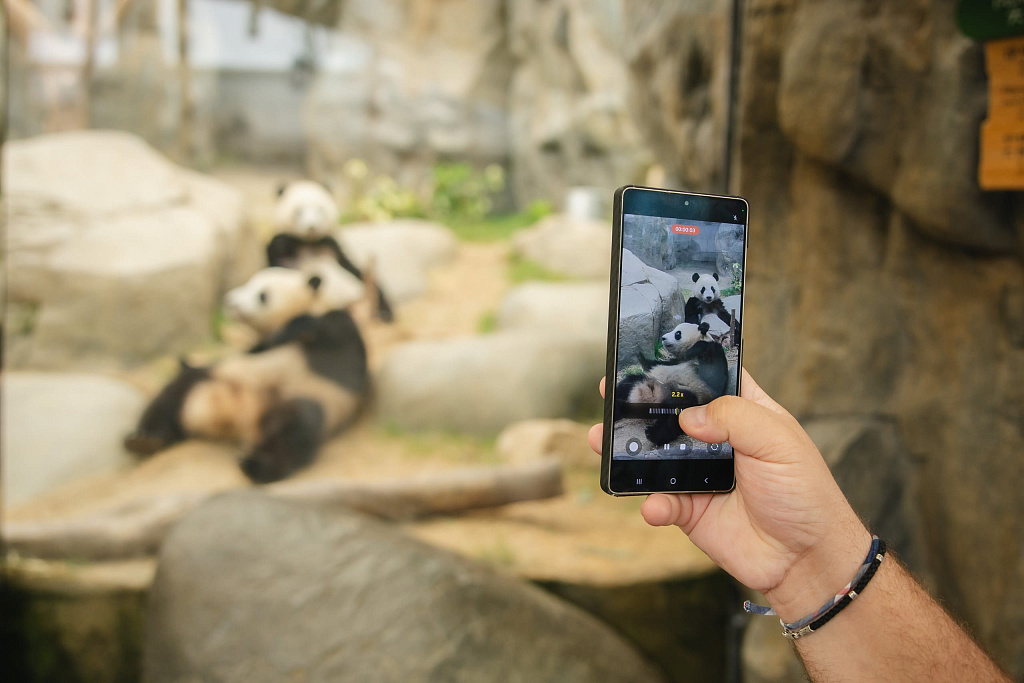
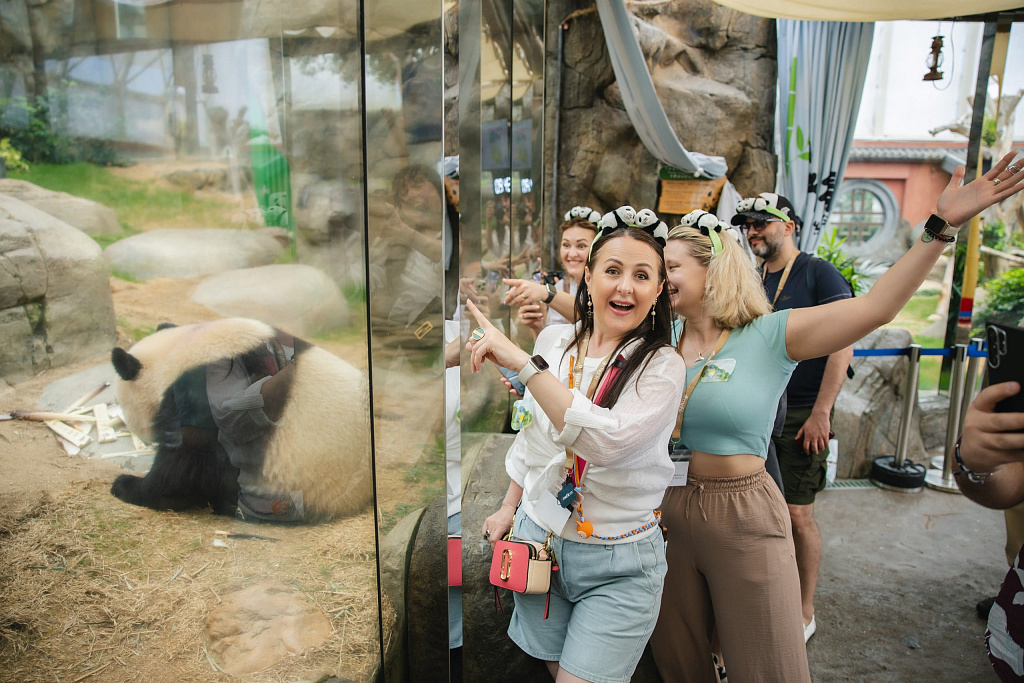
The last day of the trip was perhaps the most contrasting. The morning began at Ocean Park Hong Kong, one of Asia's oldest theme parks, which will celebrate its 50th anniversary next year. A VIP encounter with a family of giant pandas was the emotional (most "mimi-mimi") highlight of the program.
Next, the group went up to another part of the park, with the Polar Express and penguins, and then went down in a train styled as a bathyscaphe. However, for the MICE segment, other opportunities of the park are especially important, and we want to draw the attention of professionals to them: concert venues, conference spaces, own hotels with an aqua park and large-scale event infrastructure.
After Ocean Park, the group went to Repulse Bay – an area of expensive villas and colonial architecture, where many famous people live. Lunch at Spices restaurant unexpectedly became a gastronomic favorite of the whole trip. Especially impressed by the emotional contrast: tropical rain, colonial architecture, views of the bay and modern Asian fusion cuisine with Thai accents. This place was unanimously placed first in terms of taste and quality of dishes.
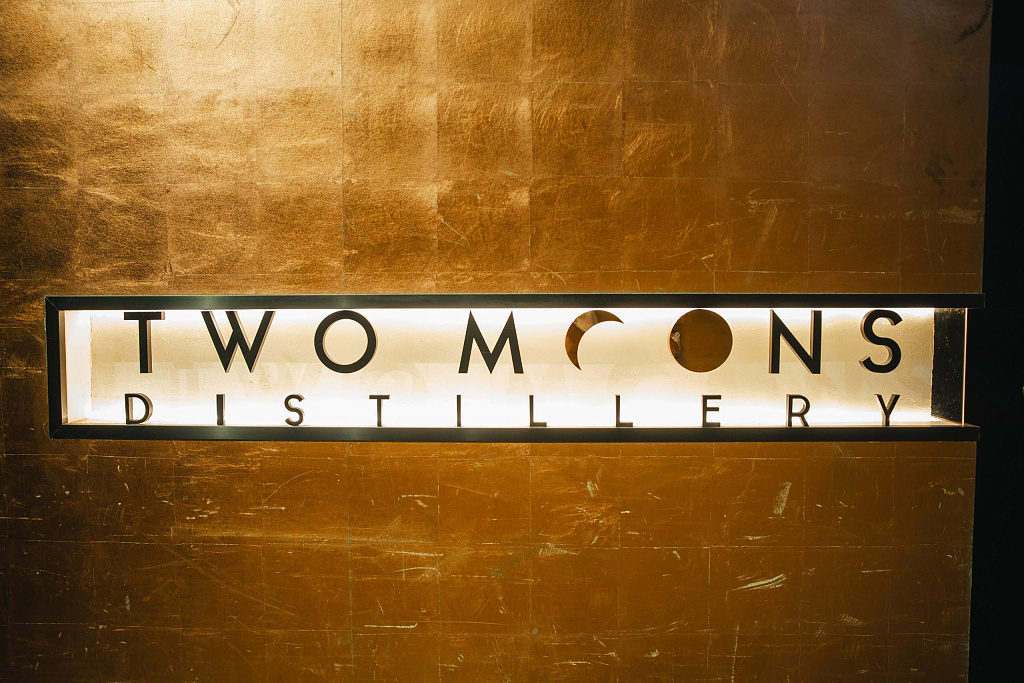
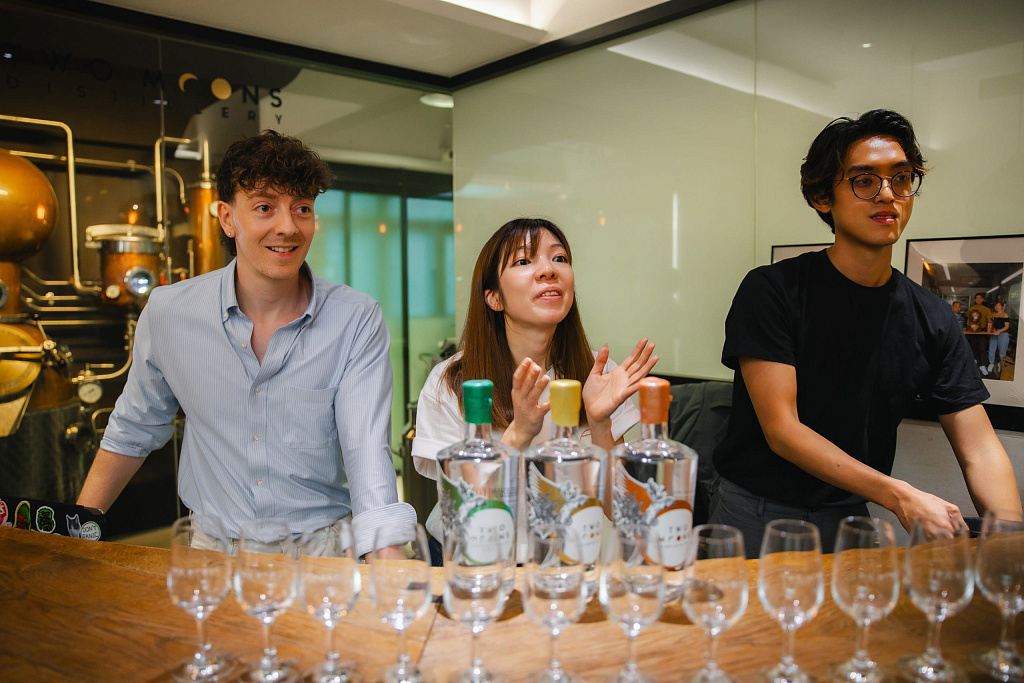
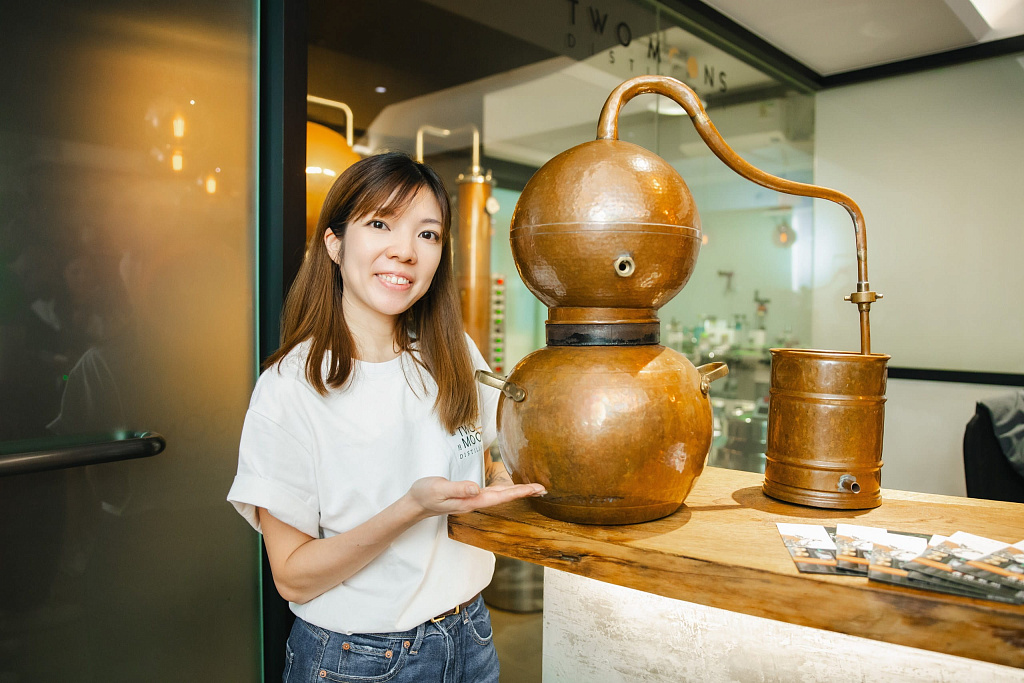
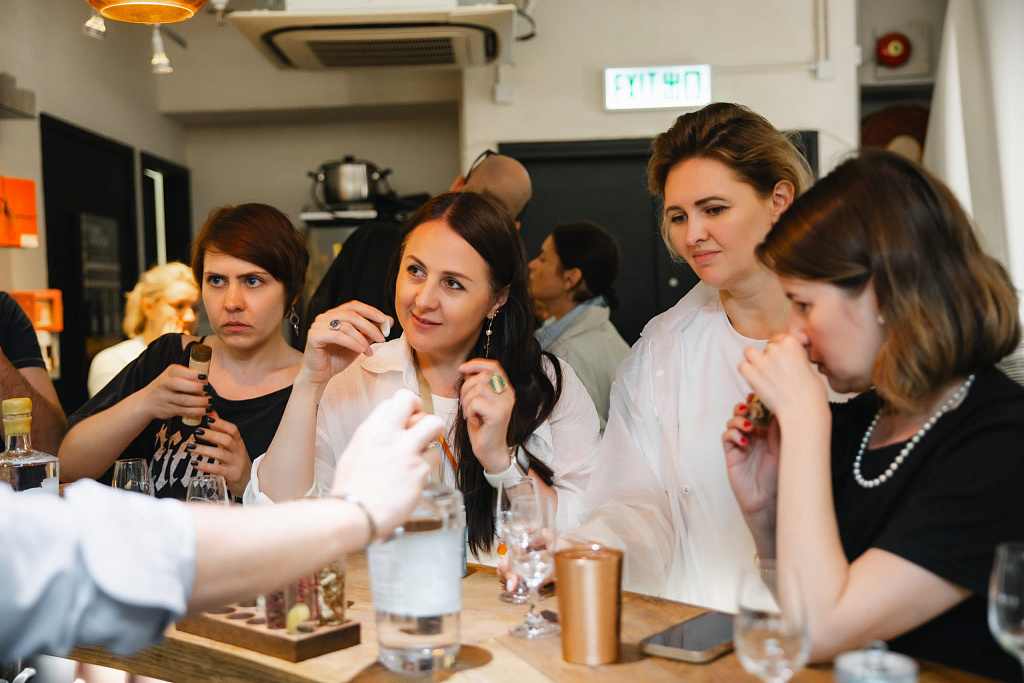
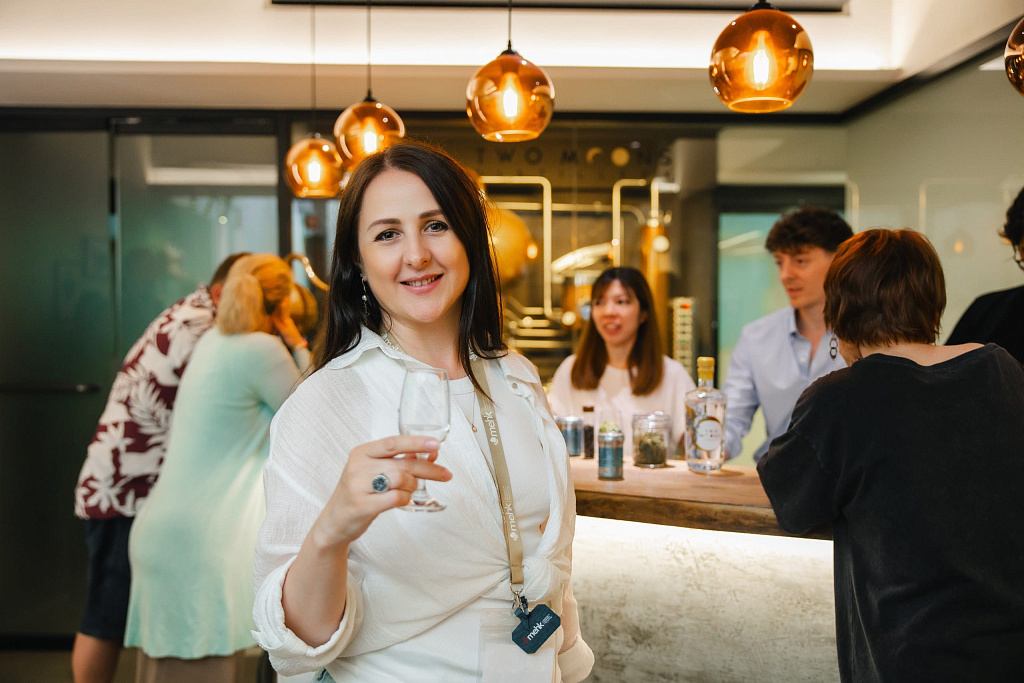
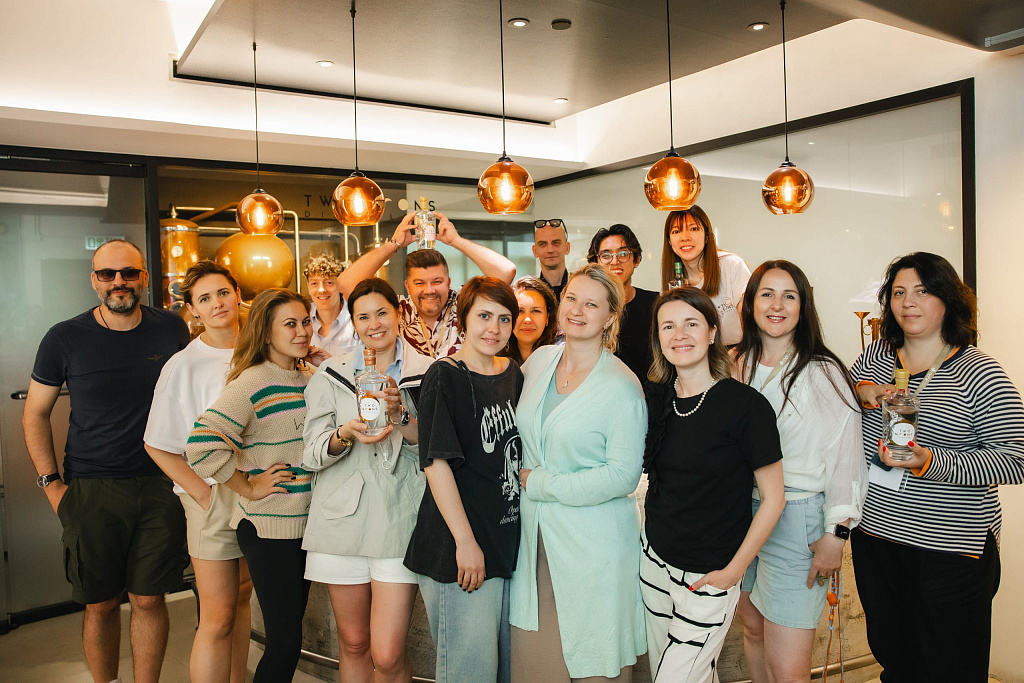
The final discovery of the trip was Two Moons Distillery, Hong Kong's first craft gin distillery. This small and stylish space, created by two young entrepreneurs, showcases another side of the city - its modern local gastronomy culture and "unique experience" format. The participants were particularly drawn to Five Flowers Gin, a gin inspired by the tradition of herbal teas that the younger generation is gradually losing.
This activity is one of the 8 hospitality programs that are part of the support for M&I events from Russia and that interested companies can apply for.
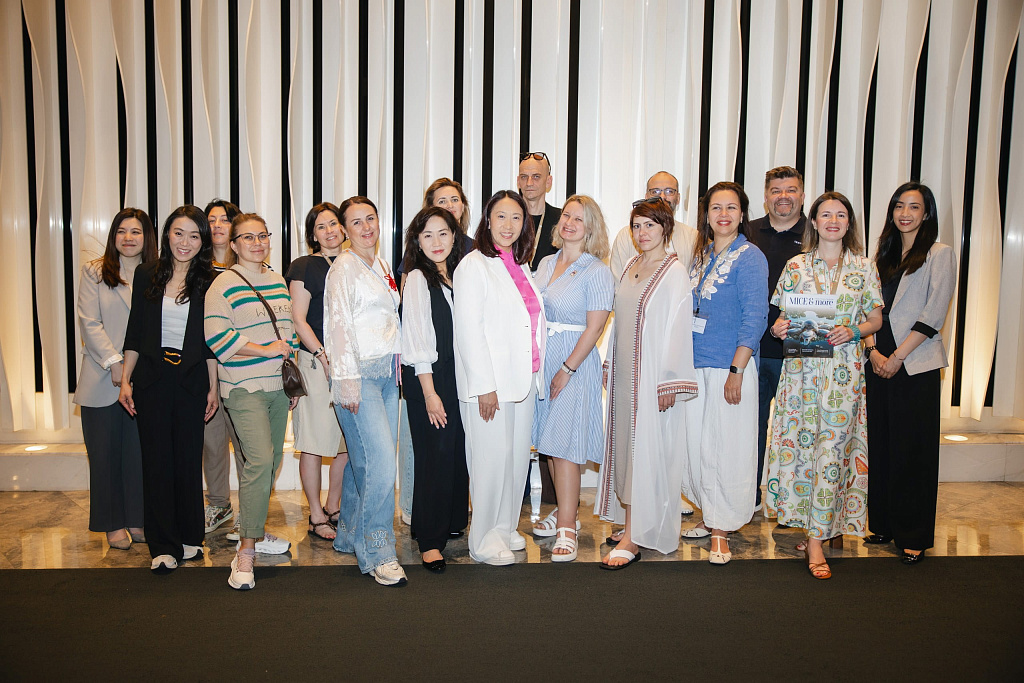
MICE-focus: The trip program ended with a meeting with Ms. Marilyn Tham, General Manager, Mega Events, MICE & Cruise, Hong Kong Tourism Board, and a presentation of MICE opportunities in Hong Kong. It was this meeting that showed how actively and systematically Hong Kong is fighting for the international MICE market today.
Perhaps the main conclusion of this trip is that Hong Kong cannot be perceived as just "another Asian destination." This is a city that works as an event itself: emotional, visual, gastronomic, educational, business-oriented, and incredibly layered.
Another publications
ITB China 2026 Concludes Successfully with more than 23,500 Attendees
The three-day event recorded continued year-on-year growth, welcoming more than 23,500 attendees. A total of over 44,000 high-value business meetings were facilitated during the show, highlighting China’s continued appeal and strong growth momentum in global travel industry cooperation.
What if…? When the Unexpected Becomes Part of the Job
In the world of events and destination management, every project begins with a carefully designed plan. But anyone who has spent enough time in this industry knows that success is not defined only by what goes according to plan — it is often defined by what happens when things do not.