

The Rise of Immersive Events: What Today’s Audiences Expect Beyond the Agenda
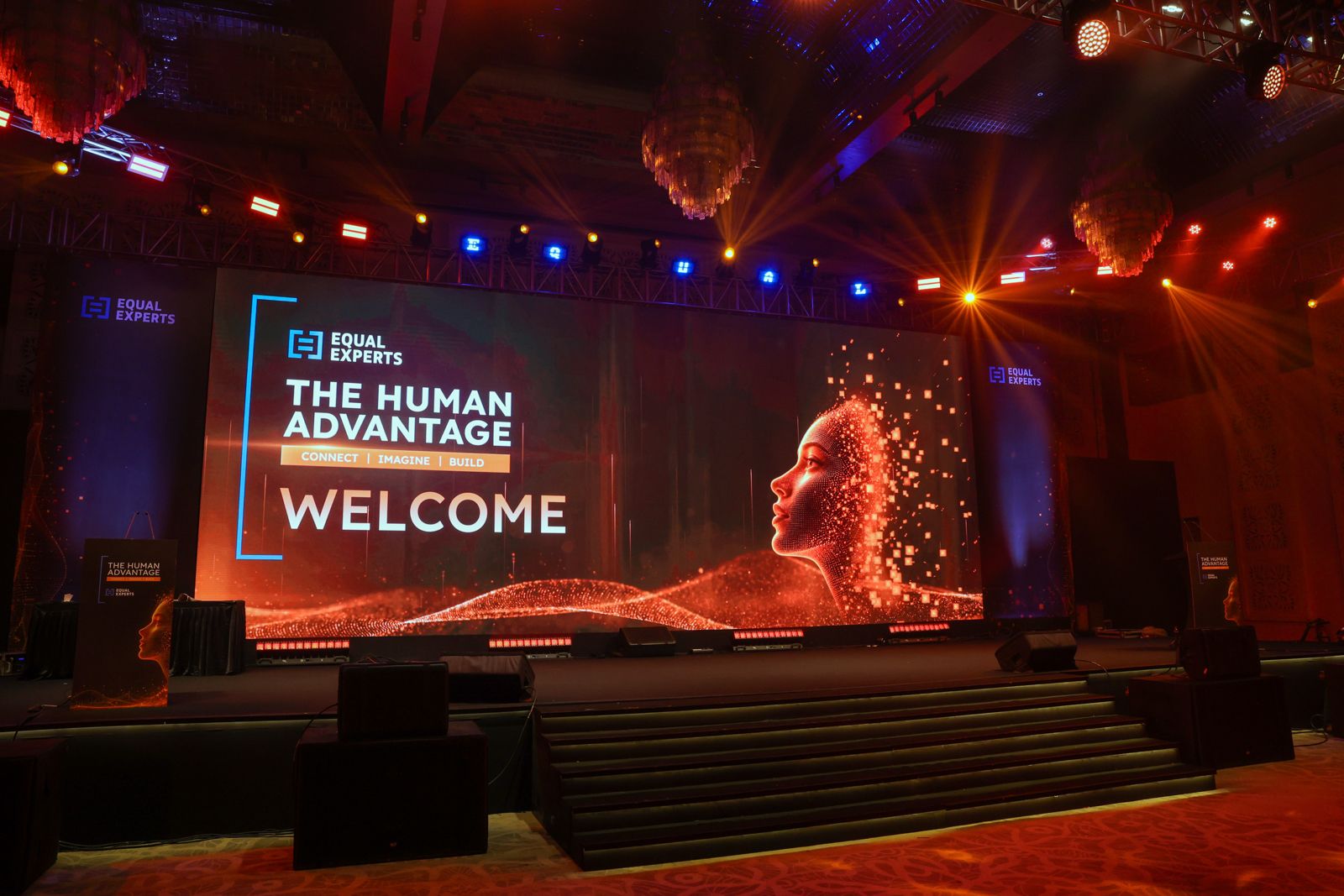
Today, an event consists of more than just what happens on the stage. Audiences now expect experiences that involve them and make them feel connected within a particular context. Therefore, whether at a corporate gathering, a launch of a product, a ceremony or an event which has a celebratory character, having a good agenda is no longer enough. Participants are eager to be engaged and to be able to remember their experience. So this shift in people’s preferences has changed the way events are organized, developed and implemented.
Experience Over Agenda
A robust agenda can draw attendees into the hall, but the experience needs to make them interested. Instead of just listening to one presentation after another, guests often expect to meet presenters, see the exhibits, participate in activities, and interact with other participants. Thus, a product launch can go beyond just a presentation, showing guests the product through demonstrations or organized spaces instead. A corporate conference may also include live audience polling, small group discussions, hands-on workshops, etc. As a result, the emphasis has shifted from the content to the way the guests perceive it.
At SKIL Events, this philosophy shapes our approach to MICE and corporate events, where we focus on creating experience-led environments that encourage meaningful interactions, strengthen brand connections and deliver value beyond the agenda.
Technology Is An Enabler
Technology is key in making experiences possible. The effect of recent developments in the field of artificial intelligence, augmented reality and virtual reality makes it possible to create events that could have otherwise been complicated to achieve. Interactive screens make events livelier thanks to digital installations used to complement the event’s main application, mobile apps and others. However, technology should have a goal in mind. For a digital installation to be effective, it should add value to the event.
This is also central to how we approach event innovation at SKIL Events, integrating technology, creative production and seamless on-ground execution to deliver experiences that are engaging, purposeful and operationally efficient.
Personalisation And Participation
Modern audiences are accustomed to personalized experiences across almost all aspects of their lives, including the field of events. They desire to experience only relevant content and interactions. Event systems allow participants to build a personalized itinerary, participate in sessions in accordance to their interests, and locate people they would like to get acquainted with. Special networking formats, small breakout sessions, and interest-based events help provide a more significant feel for big events. It is also important to be involved in such events, as quizzes, Q&A sessions, live challenges, workshops, and interactive sessions help people engage and be active in any event.
Storytelling And Emotional Connection
The most memorable occasions are typically those that elicit strong emotional responses. A good narrative can convert a communication message, brand or company landmark into a topic of personal relevance to listeners. This can be achieved through different channels like cinema, music, atmosphere of the venue, stage setting, acting and putting emotions on display. Even a corporate presentation can be produced in an interesting manner, following a storyline rather than using a typical collection of slides and numbers. If all the elements fit correctly, then the audience will remember the message well after the event.
Beyond The Event Day
The immersive events do not start with the opening of the doors or conclude when the last guest leaves the venue. Rather, the process can start long before the event with a number of different channels like invitations, social media, teasers and online communities. They can continue after the event, with the help of highlights, content from speakers, photos, short videos and follow-up interactions.
At SKIL Events, our end-to-end event management approach reflects this thinking, bringing together strategic planning, experiential design, integrated event solutions and meticulous execution to ensure a consistent and memorable audience journey.
To summarize, immersive events are fundamentally about making people the main part of the experience. While technology, design and entertainment contribute to the setting up of the environment, it is involvement of the audience and emotional connection that matter. Events will become successful only as long as they provide not only an agenda, but also experiences that people will be willing to participate in.
Another publications
Azerbaijan's MICE soundtrack
The rhythm of Baku, the voices of the mountains and the open horizon of the Caspian Sea: a familiarisation trip organised by MICE&more and the Azerbaijan Tourism Board explored how Azerbaijan’s contrasting landscapes can come together in one corporate programme.
Hong Kong: A City That Works as an Event
Five days in Hong Kong feel like a separate reality. Here, neon signs reflect in the water of the "pearl" Victoria Harbour, retro trams pass by glass skyscrapers, and a business meeting can be followed by a tea ceremony at a monastery or a traditional jong boat with red sails.
ITB China 2026 Concludes Successfully with more than 23,500 Attendees
The three-day event recorded continued year-on-year growth, welcoming more than 23,500 attendees. A total of over 44,000 high-value business meetings were facilitated during the show, highlighting China’s continued appeal and strong growth momentum in global travel industry cooperation.
What if…? When the Unexpected Becomes Part of the Job
In the world of events and destination management, every project begins with a carefully designed plan. But anyone who has spent enough time in this industry knows that success is not defined only by what goes according to plan — it is often defined by what happens when things do not.