

Egypt’s New Chapter: A Nation Relearning Balance
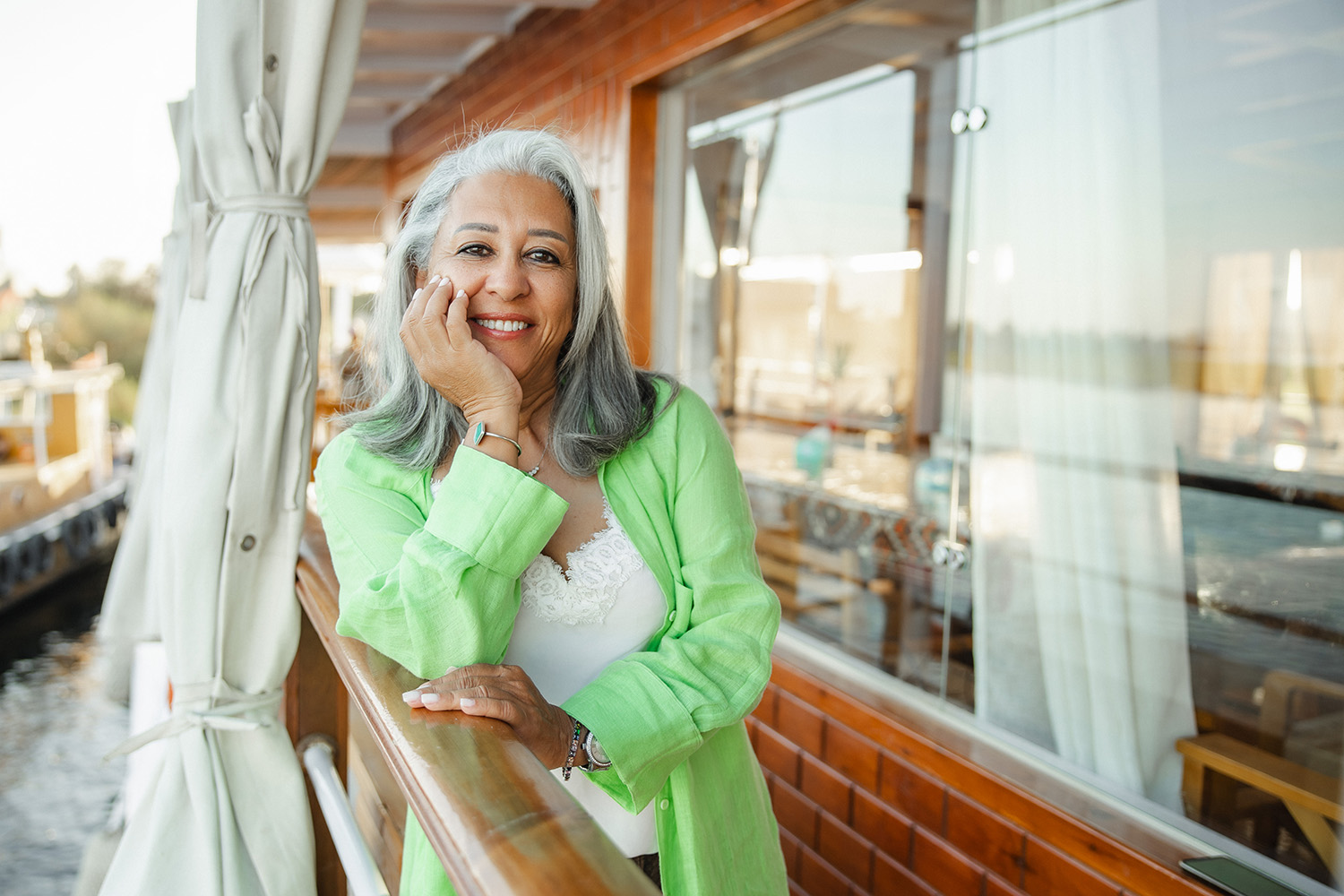
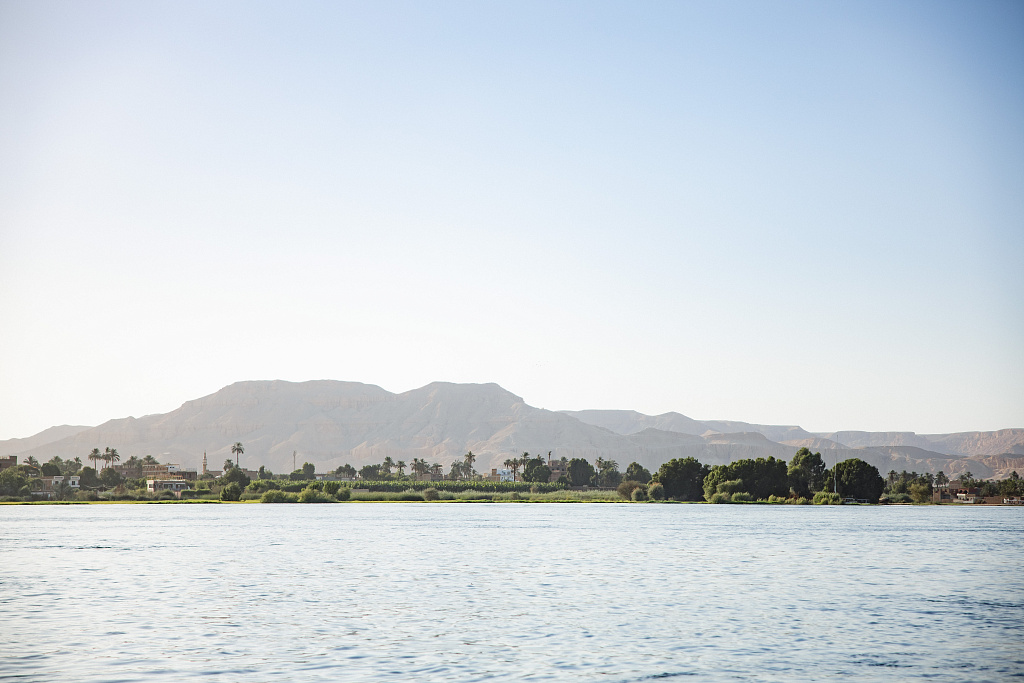
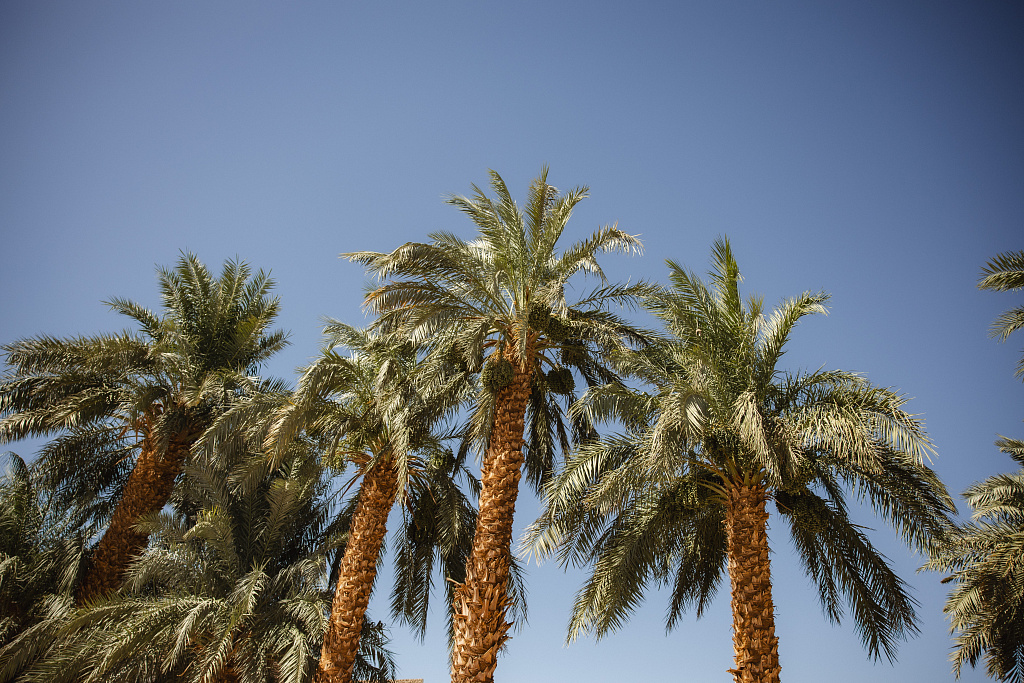
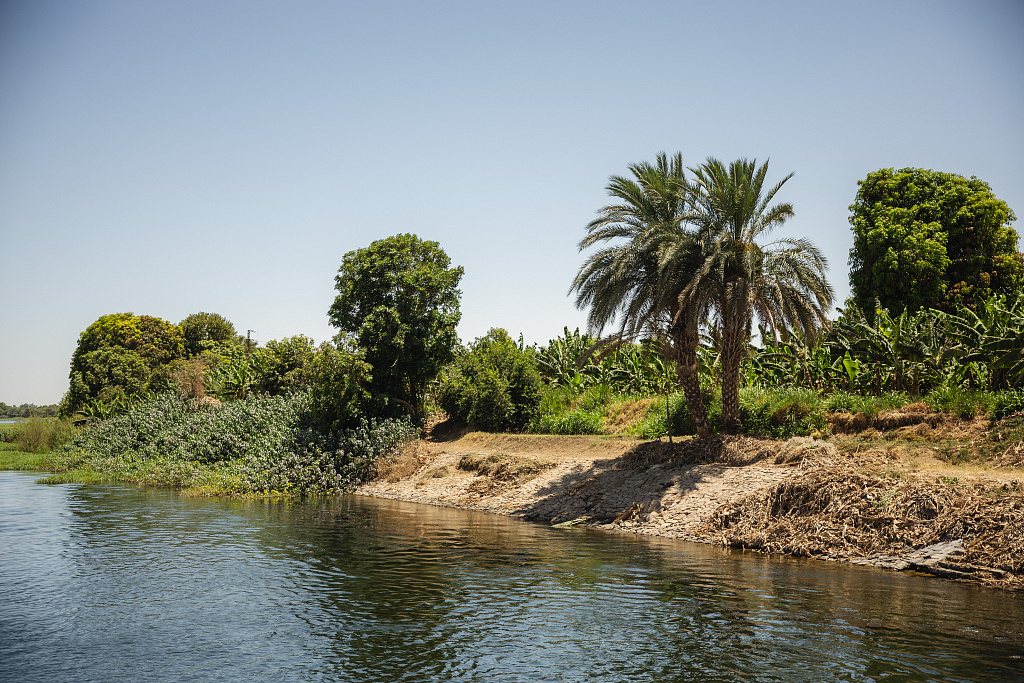
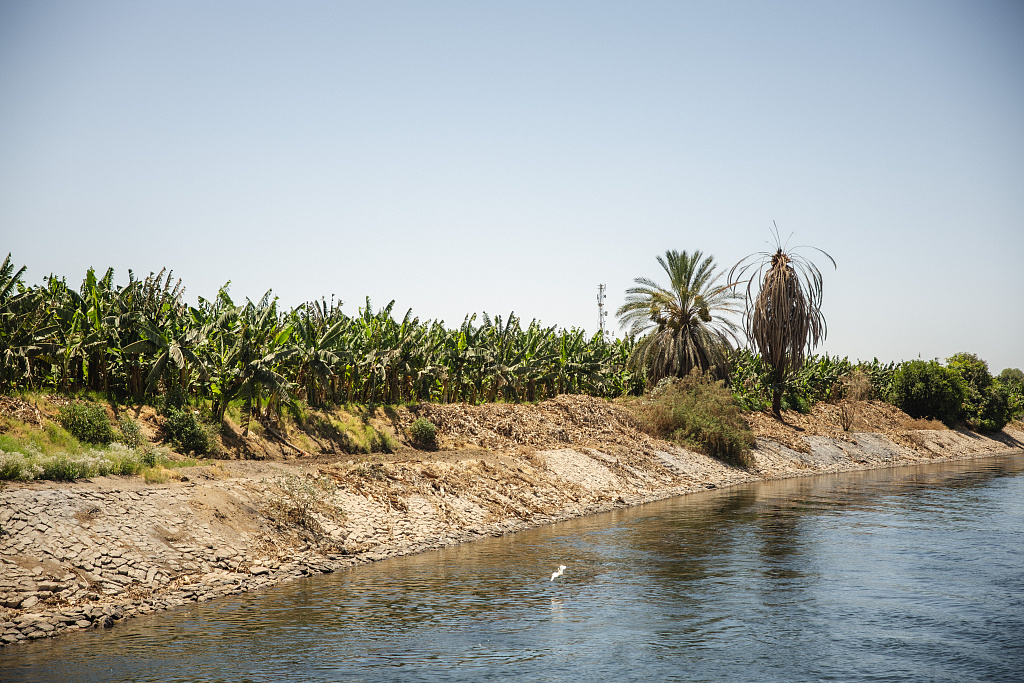
“There are moments on the Nile — just before sunrise — when the light turns the water into liquid gold and the palm trees become silhouettes against the sky. In those quiet minutes, I always think about the thousands of years that came before us.
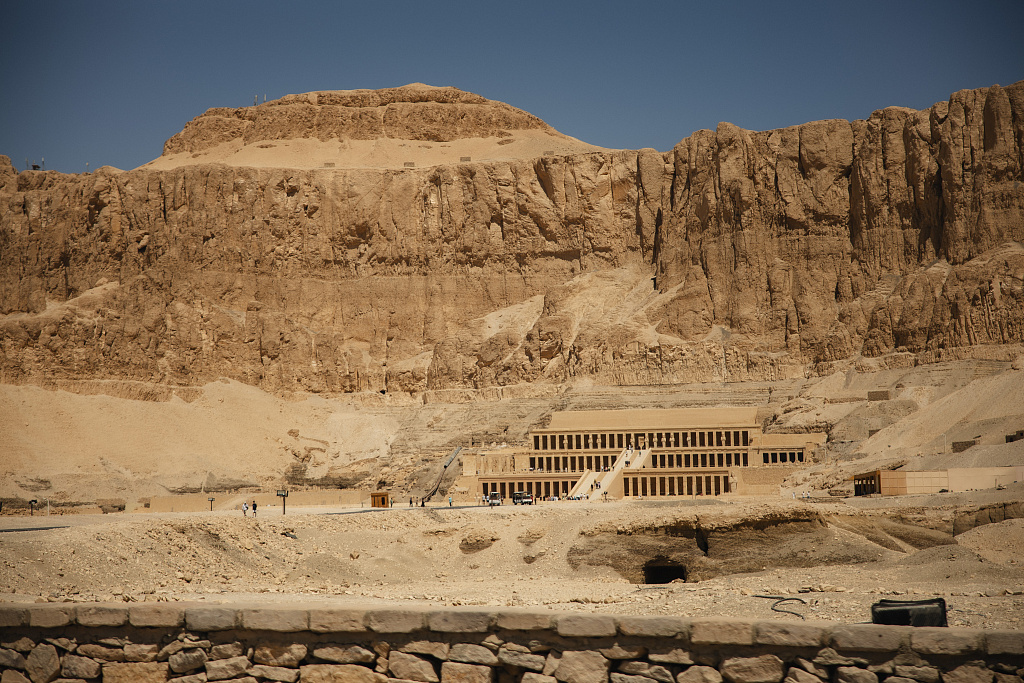
Egypt was not simply a civilisation. It was a vision of harmony — between architecture and astronomy, between the river and the people, between prosperity and responsibility. The ancient Egyptians built monuments aligned with the stars, engineered irrigation systems that respected the Nile’s rhythm, and created communities that understood balance long before sustainability became a global word.
Today, as I work in the MICE industry, I often ask myself:
Are we honouring that legacy?
Egypt’s New Chapter: A Nation Relearning Balance
Through initiatives led by the Egyptian Tourism Authority and national development strategies, Egypt is beginning to reshape its tourism narrative.
There are real efforts underway:
Hotels transitioning toward solar energy and water-saving systems.
Increasing environmental certification requirements.
Campaigns encouraging plastic reduction.
Support for local communities and artisans.
Stronger environmental protection policies in sensitive areas like the Red Sea and along the Nile.
In MICE specifically, we see a shift. International planners are asking about carbon footprints, waste management, community benefit. Egypt is responding, as Infrastructure still needs improvement. Waste management systems are inconsistent in some regions. Sustainability awareness varies from one supplier to another. Training is ongoing. We are evolving — but evolution takes time.
And yet, what gives me hope is the direction. There is momentum. There is dialogue. There is awareness.
Egypt is not claiming to be the greenest destination in the world.
Egypt is learning, adapting, and moving forward.
My Personal Responsibility
For me, sustainability is not a marketing phrase. It is deeply personal.
When I design a meeting or an incentive program, I think about the river. I think about the children growing up in the villages along its banks. I think about the craftsmen whose skills are passed from father to son.
In our company, we try to translate this awareness into action:
We reduce printed materials and work digitally whenever possible.
We eliminate single-use plastics at events.
We prioritize venues implementing renewable energy and efficient systems.
We design programs that employ local musicians, guides, artisans and farmers.
We encourage smaller, more meaningful group sizes rather than mass tourism formats.
We integrate CSR moments — not as photo opportunities, but as real contributions.
Sometimes it is easy. Sometimes it is challenging. Suppliers may resist change. Costs can be higher. Logistics may be more complex.
But change begins with decision.
And we choose to move in the right direction.
Cleo Dahabeya: A Symbol of Responsible Luxury
One of the experiences closest to my heart is working with Cleo Dahabeya.
When guests step aboard Cleo, they are stepping into a slower rhythm — the rhythm of wind and water.
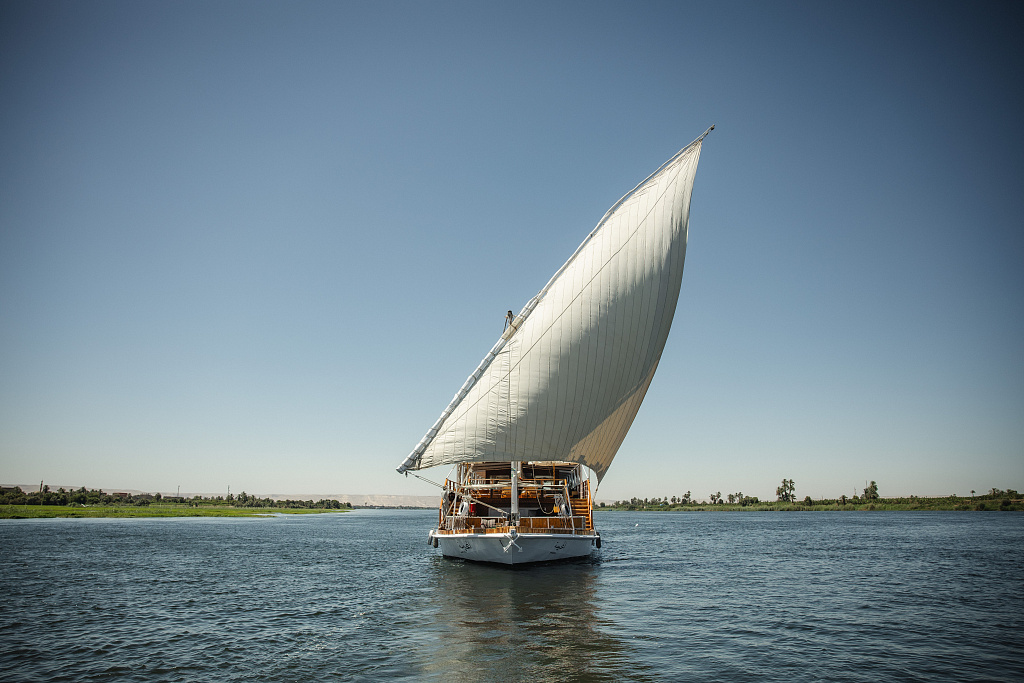
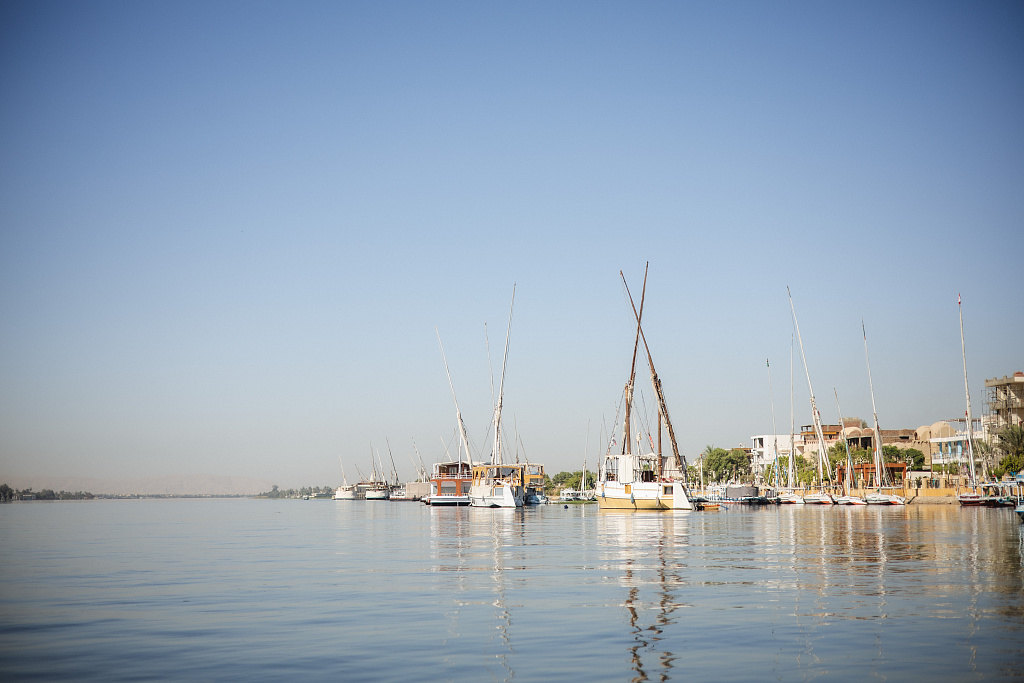
The dahabeya itself is a reminder of Egypt’s past: traditional sailboats once used by travellers, explorers, dreamers. Today, Cleo blends that heritage with conscious choices:
Solar panels assist in reducing reliance on fuel generators.
Single-use plastics are avoided; guests use glass bottles.
The crew is entirely local, and the boat was crafted by Egyptian hands and Egyptian supplies in all department.
Ingredients are sourced from nearby farms — seasonal, fresh, often organic.
Is it flawless? No.
Solar energy does not yet power everything. Supply chains in rural areas are still developing. Recycling infrastructure along the Nile is not always systematic.
But Cleo represents intention.
And intention matters.
A Realistic but Hopeful Future
Egypt is coming back — not just as a tourism destination, but as a nation redefining itself in a global era where responsibility is no longer optional.
We still need:
Stronger waste infrastructure nationwide.
More unified sustainability standards across suppliers.
Greater investment in renewable energy.
Continuous education for tourism professionals.
But we also have something invaluable:
History.
Pride.
Resilience.
And the Nile — still flowing.
Just as ancient Egypt built for eternity, we must now design events that leave not footprints — but positive legacies.
And for me, that journey begins every morning on the river, when the sun rises over the Nile and reminds us that renewal is always possible.”
Another publications
Hong Kong: A City That Works as an Event
Five days in Hong Kong feel like a separate reality. Here, neon signs reflect in the water of the "pearl" Victoria Harbour, retro trams pass by glass skyscrapers, and a business meeting can be followed by a tea ceremony at a monastery or a traditional jong boat with red sails.
ITB China 2026 Concludes Successfully with more than 23,500 Attendees
The three-day event recorded continued year-on-year growth, welcoming more than 23,500 attendees. A total of over 44,000 high-value business meetings were facilitated during the show, highlighting China’s continued appeal and strong growth momentum in global travel industry cooperation.
What if…? When the Unexpected Becomes Part of the Job
In the world of events and destination management, every project begins with a carefully designed plan. But anyone who has spent enough time in this industry knows that success is not defined only by what goes according to plan — it is often defined by what happens when things do not.
Previous publications
Israel's 78th Independence Day — Where History Checks In
There are places where history is not just a story told to visitors, but an integral part of the hospitality experience itself. Several of the country's most intriguing buildings—constructed in different eras and witnesses to significant moments in the land's history—have been given new life as luxury hotels.
Oman MICE Trends 2026- A Shift Toward More Intentional Travel
The MICE landscape in 2026 feels like it’s in the middle of a reset. The usual destinations are still in play, still dominating conversations, but they’re no longer the default in quite the same way. There’s a pause happening. A reconsideration.
Sustainability in MICE: the Moroccan experience
Morocco is increasingly emerging as a leading destination for sustainable MICE experiences, where rich cultural heritage meets a growing commitment to responsible tourism. At Visit Morocco Travel & Events, sustainability is not a trend, it is a core principle guiding how we design and deliver events across the country.