

Israel's 78th Independence Day — Where History Checks In
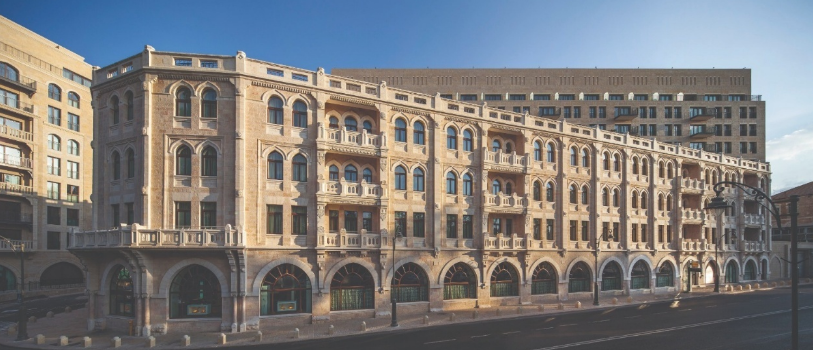
There are places where history is not just a story told to visitors, but an integral part of the hospitality experience itself. Several of the country's most intriguing buildings—constructed in different eras and witnesses to significant moments in the land's history—have been given new life as luxury hotels. These are not simply five-star properties, but places where every corridor is a chapter in an ongoing story, and every window looks toward both the past and the future.
Waldorf Astoria Jerusalem
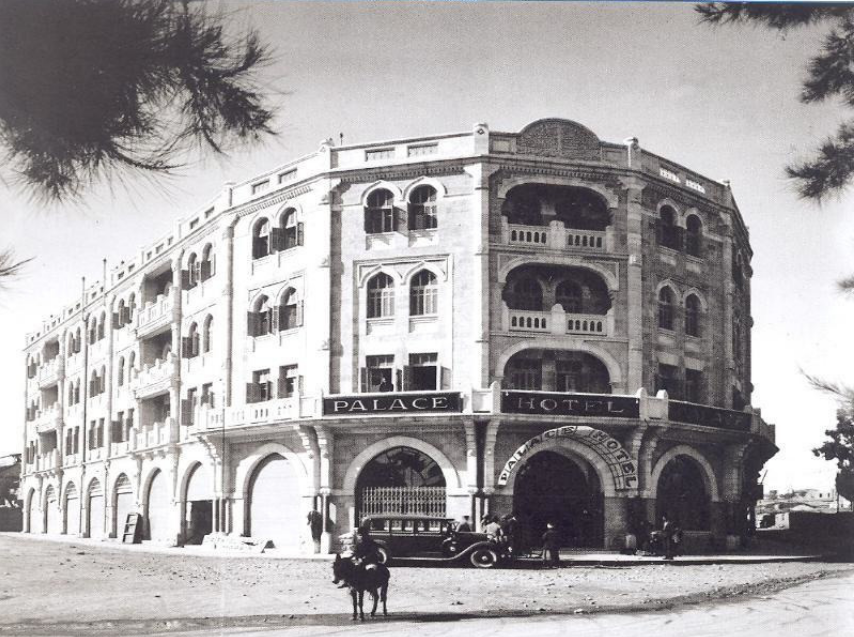
The hotel stands on the foundations of the historic Palace Hotel, widely considered the first luxury hotel in the Middle East, built in the heart of Jerusalem. After its closure in 1935, the building served the British administration during the Mandate period in the Land of Israel until 1948. Notably, it also housed the Peel Commission, the British Royal Commission of Inquiry established in response to the events of 1936. In 2014, the structure reopened as the Waldorf Astoria Jerusalem, bringing this historic landmark back to life.
Pereh Hotel
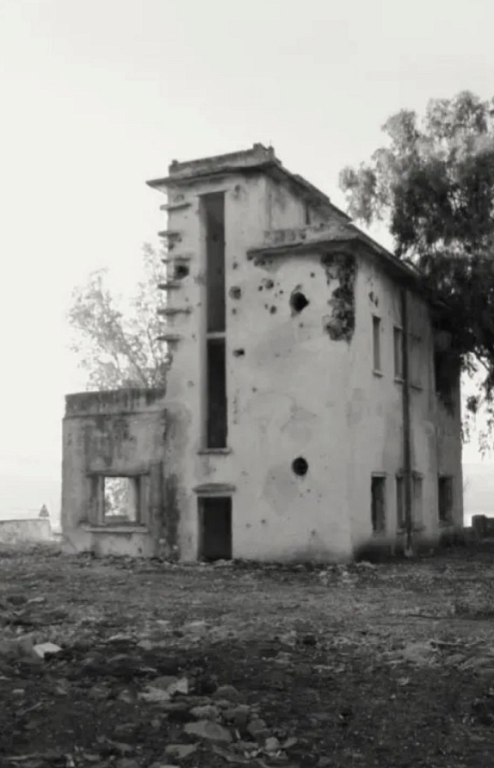
Part of this hotel complex is situated within preserved historic buildings dating back to 1919. Built during the French Mandate, the site originally served as a customs house on the international border established in 1923 between the British and French Mandates. This line remained the border between Israel and Syria until 1967. Given its strategic location in the Golan Heights, the site was a pivotal crossing point throughout many historical events. Today, the hotel includes a museum housed in an ancient Syrian basalt building—formerly the customs house kitchen—where artifacts and photographs tell the site’s story. Pereh opened in 2021 as a luxury boutique hotel set against the Golan's lush, green landscape.
Hotel 1935
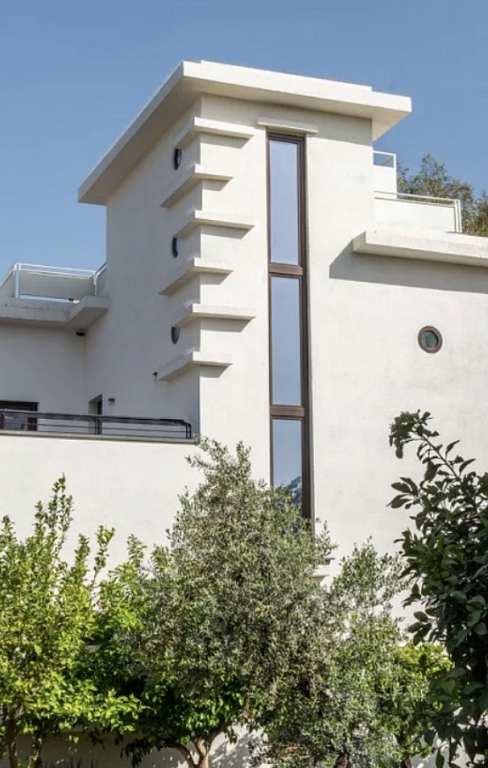
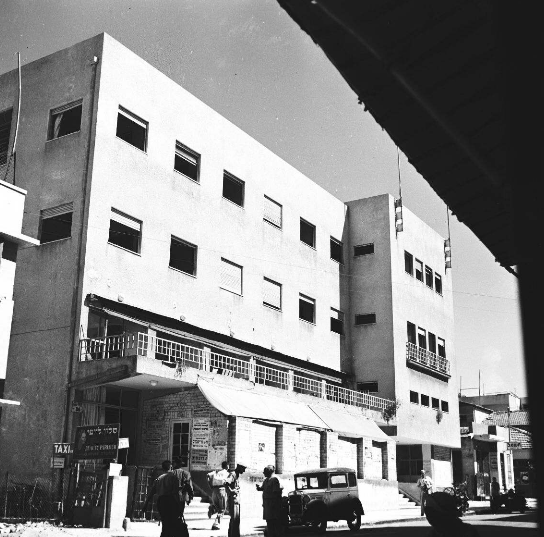
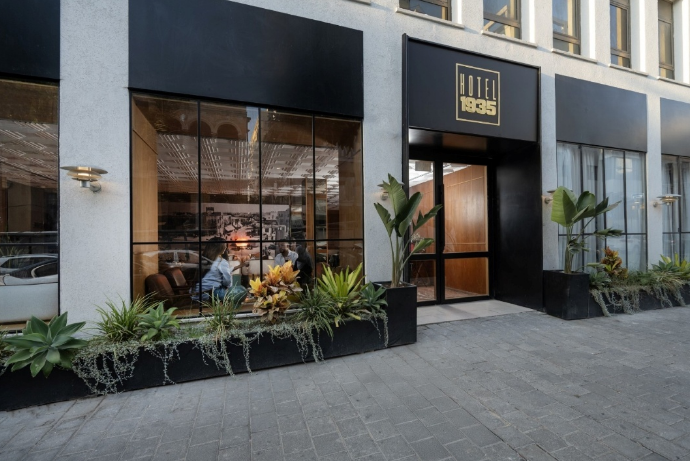
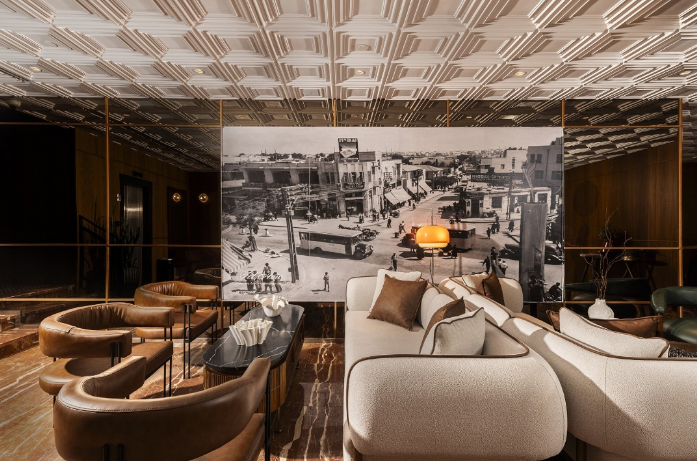
In the heart of Tel Aviv stands Beit Brenner, a building that once served as the headquarters for the Tel Aviv Workers' Council. The cornerstone was laid on May 1, 1934 (International Workers' Day), funded by donations from local workers who contributed between one and three days' worth of wages to its construction. Inaugurated in 1935, it served as a central employment bureau and a hub for labor unions. Every May Day, thousands gathered in its courtyards to raise the national and labor flags, and over the years, it also functioned as an active cultural center. Today, it operates as a boutique hotel, seamlessly connecting labor heritage with the modern pulse of Tel Aviv.
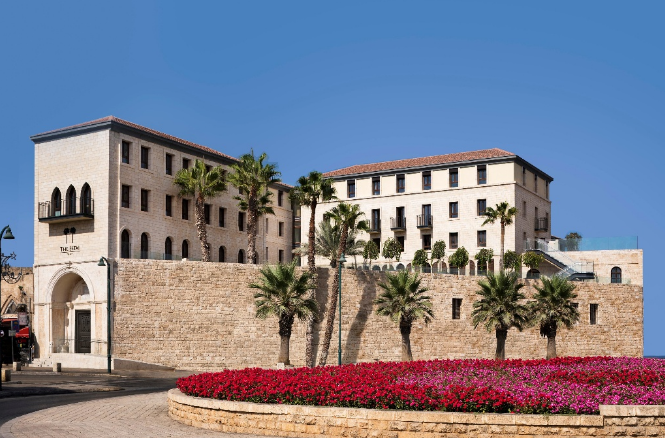
The Setai Tel Aviv
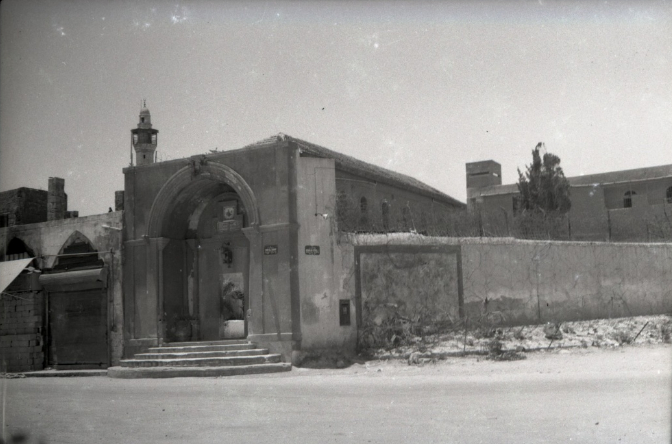
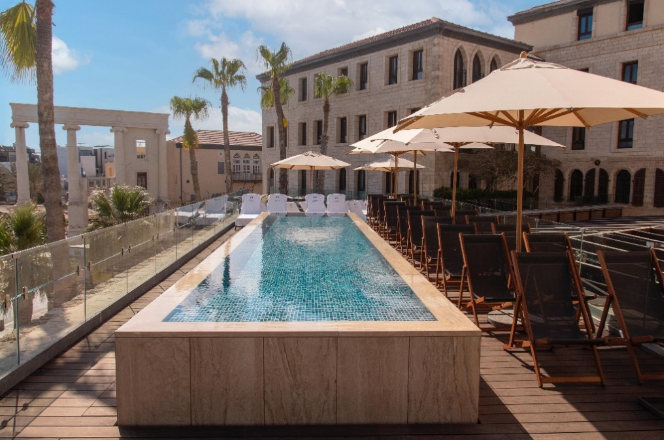
Located near Jaffa’s iconic Clock Tower, The Setai is housed in a historic building that served as a police station and detention center during the late Ottoman period. Built in the late 19th century along the city’s original fortifications, remnants of Jaffa’s walls are still visible within the hotel today. The building continued to serve as a police compound through the British Mandate and after the establishment of the State of Israel until 2005. Most notably, it was the site where Adolf Eichmann was held during his trial after being captured and brought to Israel. In 2018, the compound was transformed from a police station into a premier luxury destination.
Another publications
Hong Kong: A City That Works as an Event
Five days in Hong Kong feel like a separate reality. Here, neon signs reflect in the water of the "pearl" Victoria Harbour, retro trams pass by glass skyscrapers, and a business meeting can be followed by a tea ceremony at a monastery or a traditional jong boat with red sails.
ITB China 2026 Concludes Successfully with more than 23,500 Attendees
The three-day event recorded continued year-on-year growth, welcoming more than 23,500 attendees. A total of over 44,000 high-value business meetings were facilitated during the show, highlighting China’s continued appeal and strong growth momentum in global travel industry cooperation.
What if…? When the Unexpected Becomes Part of the Job
In the world of events and destination management, every project begins with a carefully designed plan. But anyone who has spent enough time in this industry knows that success is not defined only by what goes according to plan — it is often defined by what happens when things do not.
Previous publications
Oman MICE Trends 2026- A Shift Toward More Intentional Travel
The MICE landscape in 2026 feels like it’s in the middle of a reset. The usual destinations are still in play, still dominating conversations, but they’re no longer the default in quite the same way. There’s a pause happening. A reconsideration.
Sustainability in MICE: the Moroccan experience
Morocco is increasingly emerging as a leading destination for sustainable MICE experiences, where rich cultural heritage meets a growing commitment to responsible tourism. At Visit Morocco Travel & Events, sustainability is not a trend, it is a core principle guiding how we design and deliver events across the country.
Sustainability in MICE: A Global Perspective with a Roman Approach
Sustainability has become a defining priority in the global MICE (Meetings, Incentives, Conferences, and Events) industry in Europe. In Italy, where cultural heritage and tourism flows must be carefully balanced, this topic is even more relevant. Companies, institutions, and destinations are increasingly expected to reduce environmental impact while creating meaningful, high-quality experiences.