

CityDNA Conference in Helsinki
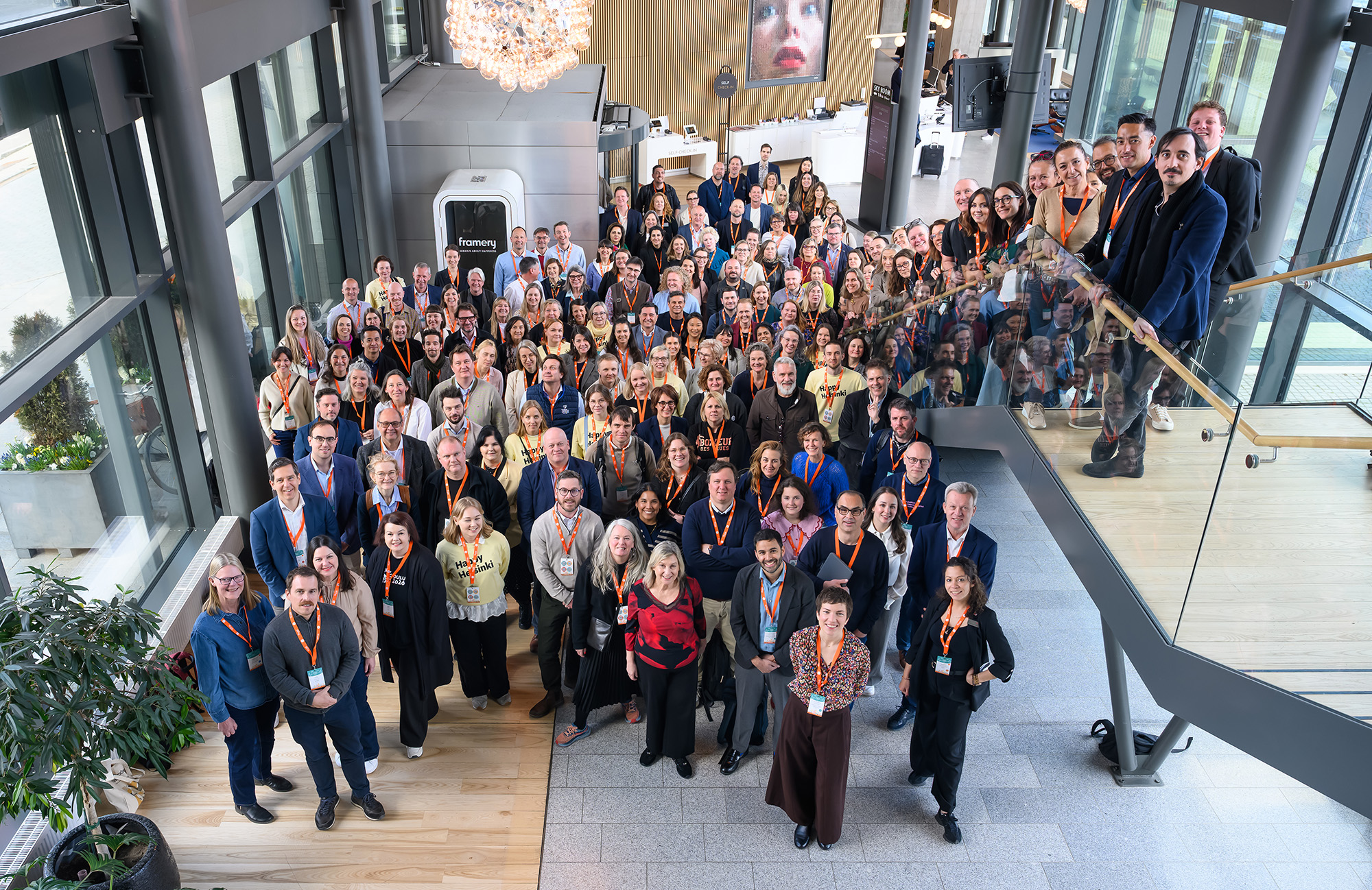
City Destinations Alliance (CityDNA) has concluded its International Conference & General Assembly 2026 in Helsinki, bringing together more than 230 delegates from 30 countries to address the future of Europe’s visitor economy.
Held under the theme “The Human Pulse of Place and Purpose”, the event signalled a clear shift: putting people - residents, communities and local stakeholders - at the centre of tourism development.
“What makes CityDNA unique is not only the knowledge we share, but the way we share it: with openness and a genuine willingness to learn from one another,” said Barbara Jamison-Woods, President of CityDNA. “In Helsinki, we saw a community ready to tackle complex challenges together and shape a visitor economy that delivers real value for people and places.”
From growth to balance
Across three days, discussions focused on the growing pressure points facing European cities, including housing, short-term rental regulation and the need for more responsible growth models.
A key concept emerging from the conference was “optimum tourism”, introduced by Greg Clark, calling for development aligned with a city’s identity, capacity and community expectations.
Speakers also highlighted the increasing role of tourist taxes as governance tools, stressing the need for transparency, stakeholder alignment and data-driven decision-making, supported by CityDNA’s ongoing research with Modul University Vienna.
Destinations already adapting
Cities showcased how these shifts are being put into practice. Helsinki presented its systemic approach to sustainability and regeneration, while Torino demonstrated how identity-led strategies and niche experiences can drive more meaningful, differentiated growth.
Sessions also explored tourism’s contribution to well-being, community resilience and long-term societal impact.
A new role for DMOs
The conference underscored the evolving role of destination management organisations (DMOs), which are moving beyond promotion to act as orchestrators of complex urban ecosystems.
With artificial intelligence rapidly reshaping how destinations are discovered and managed, DMOs are increasingly positioned as data stewards and trusted curators of destination narratives.
“It has been a privilege to welcome the CityDNA community to sustainable and Happy Helsinki,” said Nina Vesterinen, Tourism Director for the City of Helsinki. “This week demonstrated the power of collaboration in building a more sustainable, inclusive and human-centred visitor economy.”
Collaboration as the way forward
The central message from Helsinki was clear: no city can address these challenges alone. The future of the visitor economy will depend on stronger collaboration, shared knowledge and coordinated action across Europe.
CityDNA will continue this work through its Knowledge Groups, research initiatives and events programme.
The next CityDNA Conference will take place in Verona, Italy, from October 19-21, 2026.
Another publications
Etihad Airways and Southwest Airlines announce loyalty partnership
Etihad Guest, the award-winning loyalty programme of the UAE’s national airline, Etihad Airways, and Rapid Rewards, the loyalty programme of Southwest Airlines, the leading carrier for nonstop domestic travel in the US, have announced a loyalty partnership allowing members to earn and redeem across both airlines’ networks.
Tianjin Joins CIMX 2026 as Official Destination Showcase Partner, Taking its Business Tourism and Events Offering to the Global MICE Stage
Tianjin is the latest destination to join CIMX 2026’s growing network of Official Destination Showcase Partners, bringing its business tourism and events offering to the global MICE stage.
ITB China 2027 Buyer Meetup Series Kicks Off in Wuhan – Registration Now Open!
The ITB China 2027 Buyer Meetup Series is officially launching, bringing together travel agencies, tour operators and industry professionals across key regional markets for industry insights, face-to-face networking and new business opportunities.
Previous publications
ITB China 2026 Spotlights Outdoor & Sports Tourism Growth
Travel is increasingly defined by themes and experiences. From hiking, skiing, diving and cycling to global events such as marathons, Formula 1 and Grand Slam tournaments, outdoor and sports tourism is reshaping how and why people travel.
Luxury Travel at ITB China 2026: A Market in Evolution
At ITB China (26 - 28 May) in Shanghai, luxury travel moves into focus as China’s premium consumers shift toward experiences, wellness, and personalisation. A new dedicated segment explores how culture, technology, and lifestyle are reshaping premium travel demand.
Professor Drahoš Receives Award for Long-Term Contribution to Meetings Industry
Prague Convention Bureau, organization which acts as an umbrella entity for Prague's meetings industry, together with representatives of the City of Prague and the Ministry of Regional Development, in line with established tradition awarded leading Czech scientists, professors, doctors and other leading experts for their merits in bringing major international events to the Czech metropolis.