

China in 2025–2026: an expert outlook on the business travel and MICE market
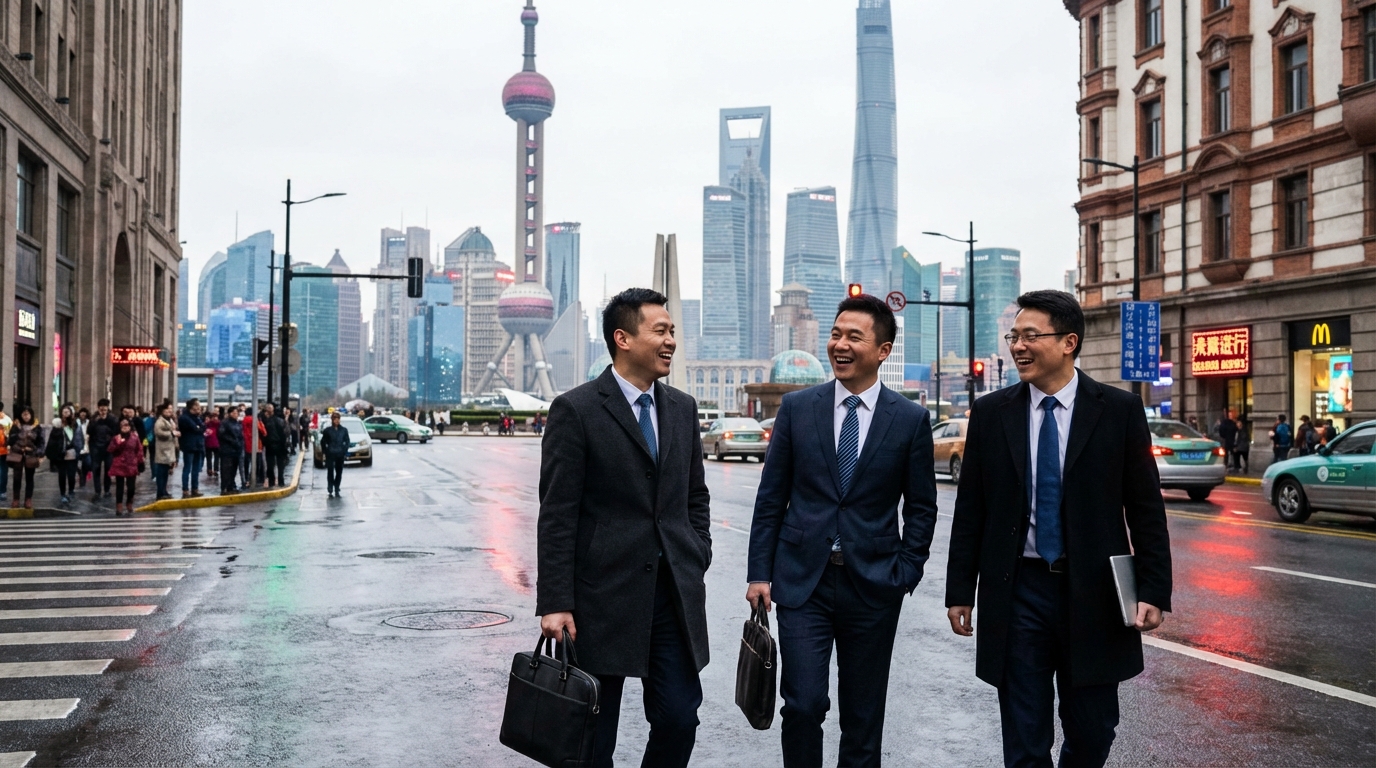
China is undergoing a transformative period, strengthening its position as a leading global destination for business travel (MICE). The combination of strategic government initiatives, unprecedented growth in transportation accessibility, and unique cultural capital creates a powerful foundation for attracting international events.
KEY TRENDS FOR 2025
1. Visa-Free Regime and a Transportation Accessibility Revolution
The primary driver for the Russian and international markets has been the trial visa-free regime, valid until September 14, 2026. It has fundamentally simplified the organization of short-term business trips, conferences, and incentive programs.
This move has been reinforced by an unprecedented expansion of air travel:
• Increased Flight Frequency: Starting February-March 2026, Aeroflot is transitioning flights from Moscow to Beijing and Guangzhou to a daily schedule, increasing frequency from 5 to 7 flights per week on each route.
• Development of Regional Routes: Direct flights to China are now available not only from Moscow. For example, Sanya is connected by air to 8 Russian cities, including St. Petersburg and Vladivostok, and direct service to Beijing has been established from Krasnoyarsk.
• Broad Network of Carriers and Destinations: Alongside Aeroflot, flights are operated by S7 Airlines, China Southern Airlines, Air China, and others, opening direct routes to dozens of cities including Hangzhou, Chengdu, Shenzhen, Harbin, and Xi'an.
2. Government Investment and Infrastructure Development
China is implementing a large-scale strategy to develop its MICE industry, focusing on creating modern, multifunctional spaces. The emphasis is shifting from simply building venues to creating integrated environments. Authorities are actively reconstructing historic districts in major cities, transforming them into unique event locations where modern infrastructure meets an authentic atmosphere. Furthermore, nearly every major city now offers grand theatrical shows with national flair, specifically designed for international audiences and capable of becoming the highlight of any corporate event.
3. World-Class Hospitality and Deep Cultural Immersion
China's luxury hotel sector continues to evolve, offering a diversity of global and local chains, including Rosewood, Jumeirah, St. Regis, and Banyan Tree. Their strength lies in integrating local aesthetics and service philosophy into impeccable five-star standards.
Gastronomy and culture are becoming central elements of successful MICE programs. Organizers are increasingly moving away from standard banquets toward interactive formats: traditional cooking masterclasses in private homes, tea ceremonies, calligraphy lessons, or qigong sessions with masters. These experiences ensure genuine immersion and high participant engagement.
4. The Phenomenon of Economic Growth as a Point of Attraction
The main narrative of modern China that captivates the global business community is its unprecedented pace of economic development. The demand from foreign delegations is shifting from exclusively historical tourism to a desire to witness the "economic miracle" firsthand. This interest directly influences the formation of MICE programs: organizers are increasingly combining visits to traditional attractions (like in Beijing or Xi'an) with immersion into the ultra-modern technological and business clusters of metropolises such as Shanghai, Shenzhen, or Hangzhou. The ability to showcase the contrast and scale of the country's transformation is becoming a unique advantage for China as a destination.
OUTLOOK FOR 2026
1. Shift in Focus to "Second-Tier" Cities
Following the saturation of traditional capitals (Beijing, Shanghai), the appeal of dynamically developing cities is growing: Makao, Hongkong, Shenzhen, Guangzhou, Chengdu, Chongqing, Xi'an, Qingdao, Hainan. These destinations offer more attractive costs while possessing the necessary infrastructure for MICE events.
2. Personalization and Unique Networking
The trend toward customization will intensify. Demand will grow for exclusive networking formats: private dinners in historic residences, events on skyscraper rooftops, closed fashion shows, or meetings with leading local experts in various fields. The goal is to create not just a trip for delegates, but a unique personal experience and meaningful connections.
3. Challenges and Barriers to Growth
Despite optimism, challenges remain:
• Language Barrier outside major international hotels and convention centers.
• Competition from other actively developing MICE destinations, such as the UAE, Turkey, and Thailand.
• Regulatory Volatility, particularly concerning the extension of the visa-free regime for Russians after September 2026.
EXPERT OPINION
"China today is not merely a venue for events but a generator of content for them. Its greatest strength lies in its unique ability to offer a narrative of large-scale transformation, technological marvel, and cultural depth that can be woven into the program of any corporate event. For organizers, this is an opportunity to create for participants not just a meeting, but an experience that will be remembered and will shape new meanings. The key question for 2026 is how to effectively work with the growing diversity of regional offerings and integrate the authentic, non-ceremonial China into programs for foreign delegations."
Emy Zheng China Inbound Manager Viluxur Holidays
CONCLUSION
In 2025–2026, China is purposefully shaping its image as a modern, accessible, and diverse MICE destination. The strategy, combining infrastructure investment, ease of access, and a focus on deep cultural experience, creates a solid foundation for attracting international events. Success will depend on the market's ability to flexibly adapt to global personalization trends and meet the growing demand for authenticity and uniqueness in business travel.
MICE&more GLOBAL thanks Emy Zheng, Inbound Manager Viluxur Holidays, for the provided expert material.
Another publications
The AI Revolution in MICE: Moving from Social Networking to the Era of Recommendation Feeds and Agentic Search
The Business Travel and MICE landscape is witnessing its most significant shift since the dawn of the internet. As traditional marketing funnels lose their edge, Artificial Intelligence is rewriting the rules of engagement. From how planners discover venues to how delegates experience content, we are moving beyond "who you follow" to "what the algorithm knows you need."
Uzbekistan's MICE Ascent
In recent years, Uzbekistan has made significant strides in developing its MICE sector. Government support for tourism, simplified visa procedures, and active participation in international professional exhibitions and forums have fueled growing interest from foreign companies and event planners.
Qatar’s Global Event Legacy: Operational Excellence as the Foundation of MICE Leadership
Over the past several years Qatar has established itself as a global platform for major international events and high-level summits. It is the result of practical experience in delivering complex, large-scale gatherings under global scrutiny.