

Business Travel Trends 2025–2026: Egypt’s Rise as a Premium MICE Destination
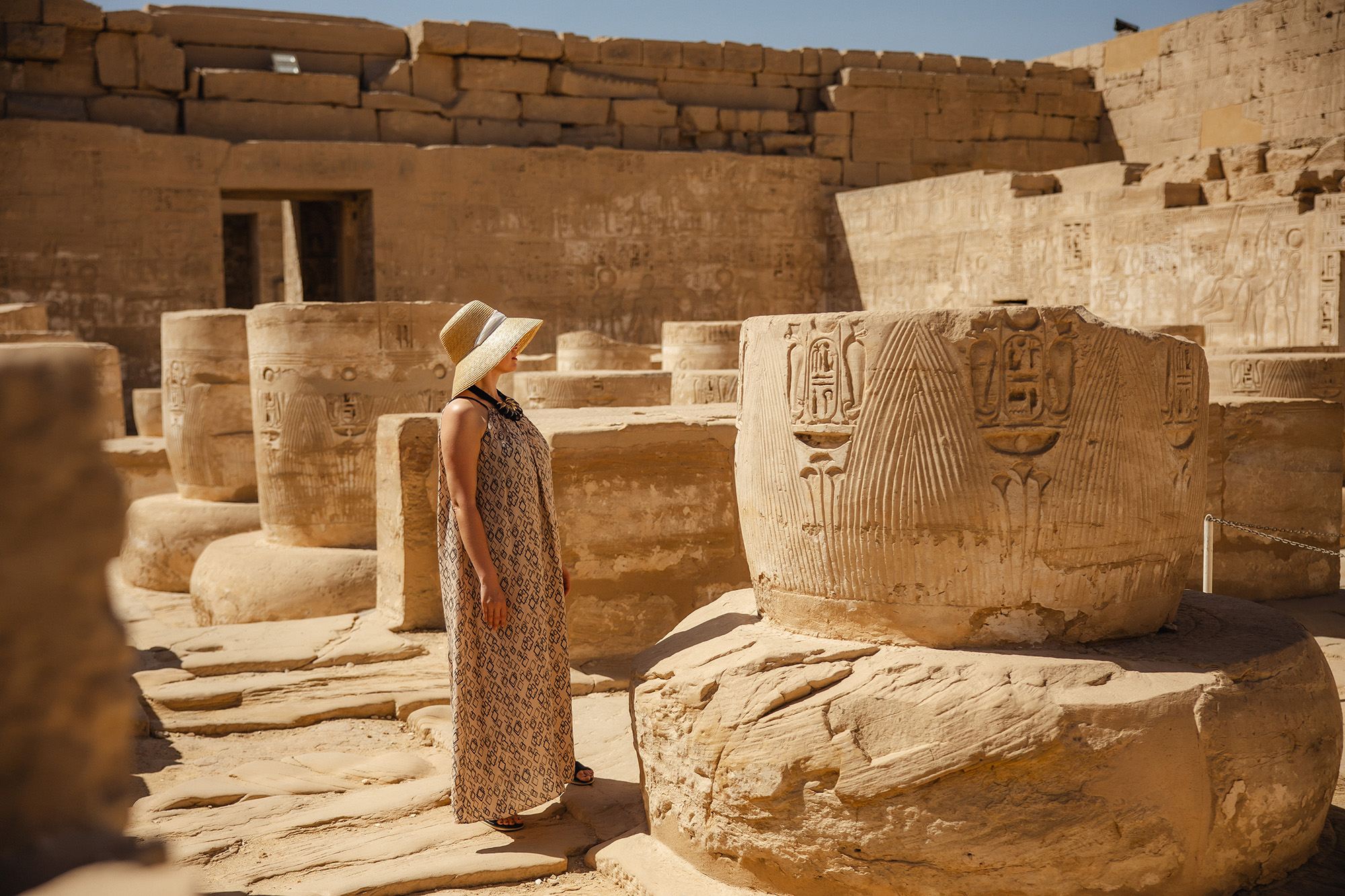
Egypt enters 2025 as one of the region’s most dynamic business travel and MICE destinations, driven by record-breaking tourism performance, stronger connectivity, and a rapid upgrade of hotels, airports, and event venues. The country is no longer only a cultural icon—it is now positioning itself as a premium, production-ready, luxury-driven business hub capable of hosting world-class conferences, incentives, and executive programs.
Cairo leads this transformation. The New Administrative Capital is emerging as a modern center of government and corporate activity, with new hotels, embassies, smart districts, and purpose-built event facilities. Meanwhile, Downtown Cairo is experiencing a renaissance, as historic buildings are being converted into boutique hotels, creative workspaces, and heritage-rich venues ideal for leadership meetings and incentive groups. Along the Nile, international five-star hotels continue to anchor Egypt’s conferencing capacity with strong AV systems, versatile ballrooms, and polished executive services.
Enhanced air access strengthens Egypt’s regional competitiveness. Cairo International Airport is expanding with a new terminal designed to increase capacity and streamline the arrival experience for large delegations. New airport developments along the North Coast, Ras El Hekma, and the Red Sea are creating direct gateways to emerging business and incentive destinations, shortening transfer times and easing logistics for planners.
The North Coast is becoming Egypt’s newest MICE frontier. New Alamein and El Alamein already host international conferences, supported by modern resorts, high-quality dining, and year-round infrastructure. Ras El Hekma, backed by major global investment, is poised to become a Mediterranean luxury hub offering premium resorts, branded residences, and spacious venues suitable for executive retreats and incentive travel.
Sustainability remains a core expectation for corporates in 2025. Hotels and venues across Egypt are investing in solar power, water conservation, and waste-reduction initiatives. These commitments align well with global ESG requirements and create opportunities for CSR-driven experiences such as community projects, coastal clean-ups, and heritage preservation activities integrated into incentive itineraries.
One of the most significant developments is Egypt’s emergence as a luxury destination. The country now delivers high-end production capabilities and hosts internationally renowned performers. Recent large-scale concerts by Anyma (Afterlife) and Enrique Iglesias showcased Egypt’s ability to produce sophisticated, immersive events with advanced staging and VIP hospitality—an important reassurance for planners seeking elevated gala nights and impactful brand activations.
Egypt also excels in offering ultra-exclusive heritage experiences. Private dinners in Luxor Temple, receptions among the illuminated columns of Karnak, and sunset cocktails overlooking the Pyramids of Giza create once-in-a-lifetime settings for senior delegations and top achievers. Specialist-led archaeological tours, private museum access, and curated performances add depth and prestige to luxury programs.
The rise of boutique Nile cruising further enhances Egypt’s premium offering. Dahabiyas and high-end river cruisers provide intimate, yacht-like environments for board meetings, partner incentives, and executive retreats. Full vessel charters allow companies to blend strategic sessions, leisure, and cultural immersion on a customizable floating venue—one of the most distinctive MICE products available globally.
Forecast for 2026
Several trends are expected to shape Egypt’s business travel landscape in 2026.
1. Ultra-luxury coastal expansion: Ras El Hekma and New Alamein will introduce new five-star brands, event venues, and incentive-ready resorts, shifting more high-end MICE demand to the Mediterranean.
2. Smarter, tech-driven meetings: Hotels are expected to integrate AI-supported event platforms, immersive projection environments, and enhanced cybersecurity—raising Egypt’s competitiveness in hosting innovation-focused conferences.
3. More exclusive cultural programming: Partnerships with heritage authorities are likely to expand, providing planners with additional premium-access experiences in temples, palaces, and museum spaces.
With modern infrastructure, competitive value, authentic cultural depth, and an increasingly luxurious profile, Egypt stands out as a compelling choice for conferences, incentives, and executive travel in 2025—and is poised for even greater prominence in 2026
MICE&more International thanks Melc Travel Group and its CEO Azza Zaghoul personally for the provided expert material.
Another publications
Global MICE Outlook 2026
The event infrastructure around the world is developing dynamically and it is very difficult to stay up to date with the latest news. MICE&more GLOBAL experts from different countries shared the most recent information, which we have analyzed and combined in this article
Chile: The Global Hub for Green Incentives and Scientific Wonder
Chile is no longer just a nature destination; it is a laboratory for the future of the MICE industry. By 2026, Chile will be the world’s leading destination for "Scientific and Regenerative Incentives," offering safety, stability, and radical exploration.
Argentina: Redefining the Luxury Incentive Frontier
Argentina has transitioned from being a bucket-list destination to a strategic powerhouse for high-impact incentive travel. As we look toward 2026, the country is leveraging its unparalleled cultural depth and diverse geography to offer "Radical Authenticity" to the global corporate elite.
The AI Revolution in MICE: Moving from Social Networking to the Era of Recommendation Feeds and Agentic Search
The Business Travel and MICE landscape is witnessing its most significant shift since the dawn of the internet. As traditional marketing funnels lose their edge, Artificial Intelligence is rewriting the rules of engagement. From how planners discover venues to how delegates experience content, we are moving beyond "who you follow" to "what the algorithm knows you need."
Uzbekistan's MICE Ascent
In recent years, Uzbekistan has made significant strides in developing its MICE sector. Government support for tourism, simplified visa procedures, and active participation in international professional exhibitions and forums have fueled growing interest from foreign companies and event planners.
Previous publications
BESTIVAL 2025: Berlin as a Leading Congress Metropolis
Berlin, 3 July 2025 Today marks the opening of BESTIVAL 2025, Berlin’s international business festival for the event industry, hosted at the Alte Münze. More than 500 event professionals from across Europe –including many from Germany – and 40 speakers are gathering at the invitation of the Berlin Convention Office of visitBerlin to exchange ideas over two days on creative solutions, strategies and sustainable event concepts.
ITB Asia 2025 Sets New Record with more than 60,000 Business Appointments and Strong Industry Momentum
With unmatched growth in international participation, a record number of business meetings, and a sharp focus on innovation, sustainability, and strategic partnerships, ITB Asia has firmly established its position as the largest travel trade show in Asia Pacific shaping the future of travel in the region.
ITB India 2025 Wraps Up in Mumbai with High International Participation
Following three dynamic days of business, networking, and knowledge exchange, ITB India 2025 concluded today, bringing together international and local exhibitors with curated buyers and reaffirming its role as the premier meeting point for the region’s travel industry.